
|
Subscribe to our Newsletter
Bana Studio is an Indian jewelry brand that celebrates the richness of traditional and tribal craftsmanship through distinctive, handcrafted designs. Rooted in cultural heritage and inspired by vintage ornamentation, the brand focuses on silver jewelry that reflects India’s diverse artistic history. By blending nostalgic aesthetics with contemporary wearability, Bana Studio preserves indigenous design traditions while introducing them to modern audiences seeking meaningful and expressive adornment.
By the Editorial Staff
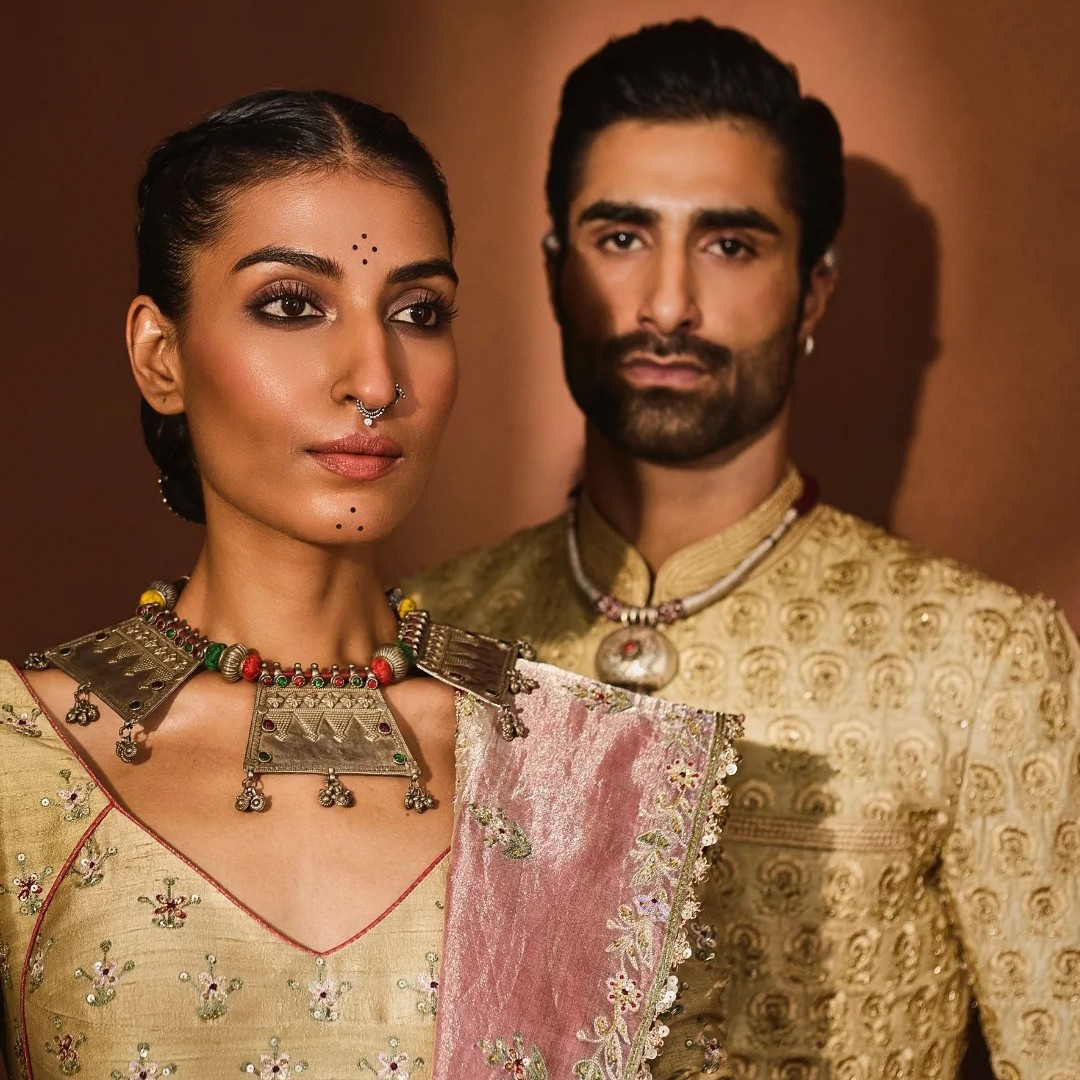
Photo: Courtesy of Bana Studio
Indian jewelry is far more than mere ornamentation; it is a living testament to India’s rich heritage, culture, and artistry, spanning over five thousand years. In the Indus Valley Civilization (circa 3300–1300 BCE), early artisans were already crafting necklaces, bangles, anklets, and rings from shells, semi-precious stones, and rudimentary metals. These early creations were far more than decorative; they were symbols of social identity, status, and spirituality, reflecting a civilization deeply attuned to ritual, symbolism, and the natural world.
As India’s empires flourished, so did the craft of jewelry. The Maurya and Gupta dynasties introduced unprecedented sophistication: gold, silver, and gemstones were transformed into intricate, wearable masterpieces. Detailed engraving, filigree, and sculpted motifs turned each bracelet, necklace, or earring into a story of family, tradition, celebration, and the meticulous skill of artisans. Jewelry became both personal and political, signifying social rank, regional identity, and even religious affiliation.
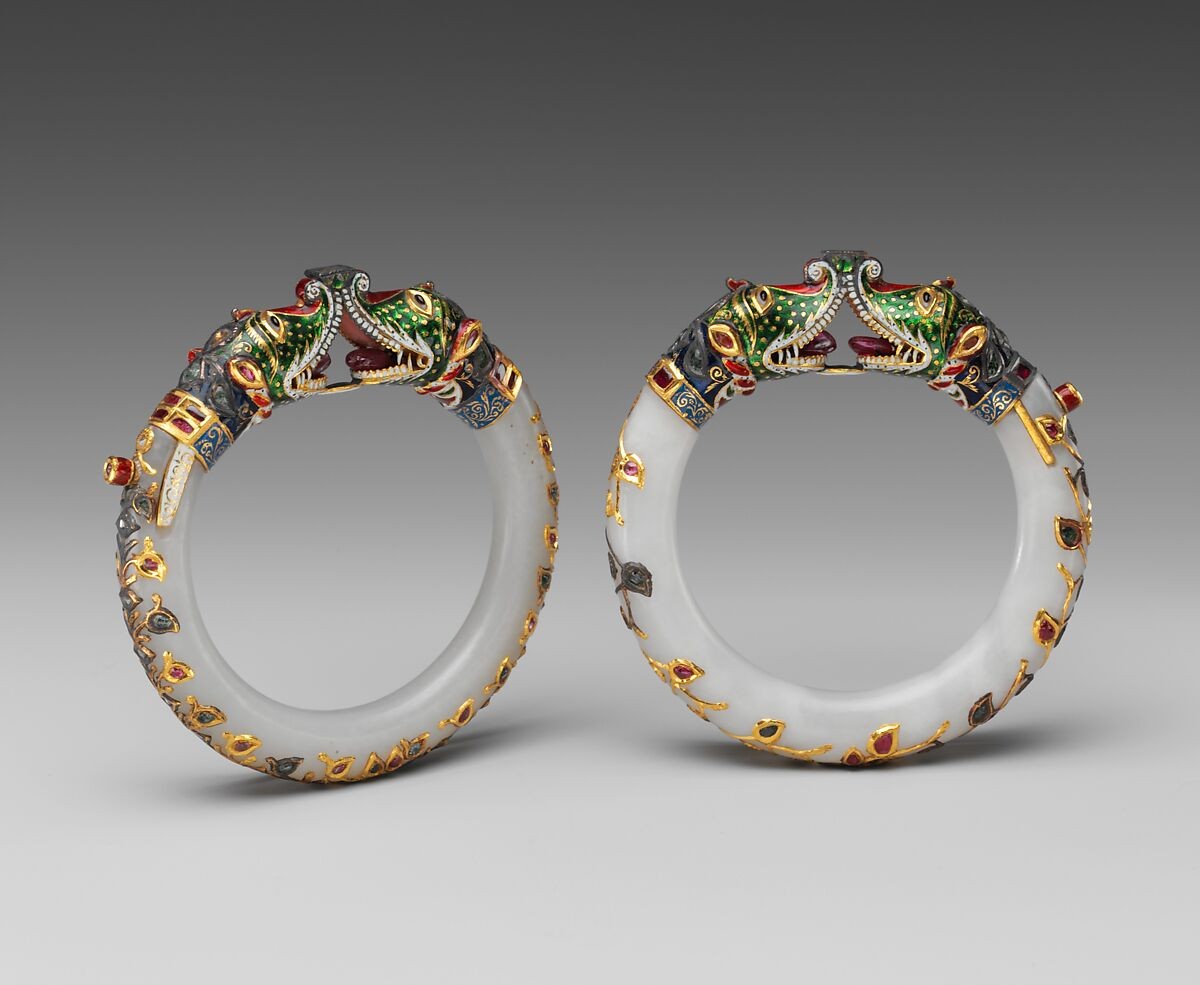
Bracelet, Mughal period, Jade (nephrite) with gold, enamel, and semiprecious stone inlays ,18th–19th century
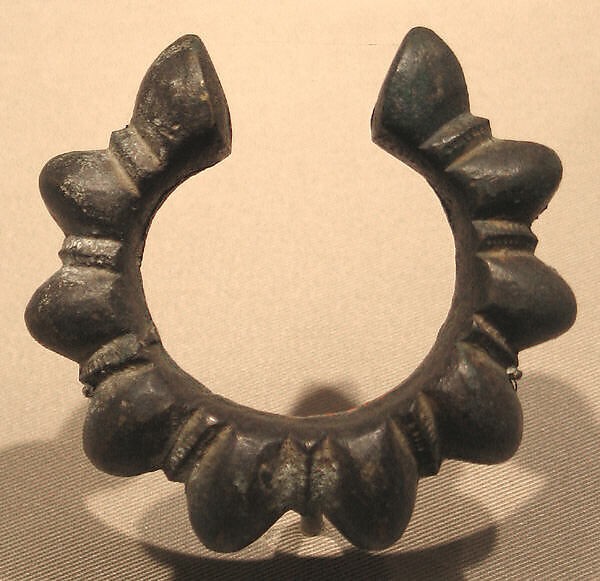
Bangle, Pala period, Gift of Jeffrey Kossak, The Kronos Collections, 9th–10th century
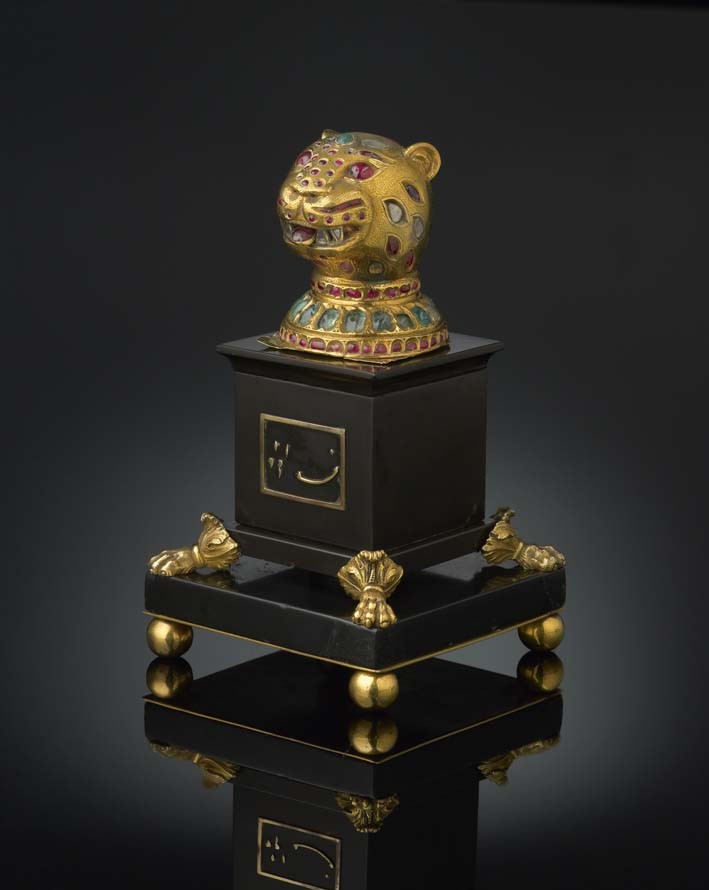
The Mughal era elevated Indian jewelry to dazzling new heights. Under royal patronage, jewelry became a spectacle of opulence, artistry, and symbolism. Multi-layered necklaces studded with diamonds, emeralds, and rubies, chandelier earrings that sparkled like miniature gardens, and ornate waist belts and headpieces were designed to impress, enchant, and convey status. Iconic techniques such as Kundan, Polki, Meenakari, and Temple Jewelry rose to prominence, each with its own story.
Kundan, with its meticulous stone-setting, whispered tales of devotion and luck; Polki’s uncut diamonds radiated raw elegance and purity; Meenakari’s enamel work painted vivid scenes of nature and folklore; and temple jewelry celebrated divinity through sculpted motifs of gods, goddesses, and mythical creatures.
Beyond royal courts, jewelry became intertwined with daily life, ceremonies, and regional traditions. Bridal ensembles, festival adornments, and talismans reflected a harmonious blend of artistry, cultural meaning, and spiritual significance. South Indian temple jewelry continues to be both a spiritual offering and a statement of craftsmanship, while North Indian jadau pieces combine diamonds and colored gemstones in geometric and floral arrangements that fuse centuries of heritage with modern elegance.
In contemporary India, these traditional forms have found renewed life on the global stage. Designers today blend centuries-old techniques with modern aesthetics, delicate gold necklaces paired with diamonds, fusion bridal sets, and statement earrings that honor tradition while appealing to cosmopolitan tastes. Beyond fashion, Indian jewelry remains a medium for storytelling, cultural preservation, and artistic expression, cherished by collectors worldwide for its beauty, rarity, and historical significance.
From the rudimentary beads of the Indus Valley to the glittering courts of the Mughals, from temple carvings in gold to modern reinterpretations in global fashion, Indian jewelry is wearable history, storytelling, and timeless artistry, a culture celebrating beauty, craftsmanship, and meaning in every detail.
Mughal Jewellery: The Al-Thani Collection
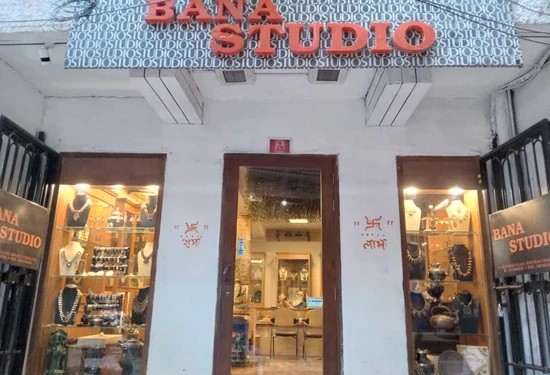
Emerging from India’s rich landscape of craft traditions and ornamental heritage, Bana Studio has established itself as a distinctive voice in the preservation and reinterpretation of traditional tribal jewelry and vintage silver adornments. Based in New Delhi, the brand is widely recognized for its curated collections of handcrafted pieces that celebrate the cultural diversity and artisanal legacy of Indian ornamentation.
The origins of the brand trace back to 1986, when its founder Mahendra Singh Banera, together with his wife Manju Shree Gupta, launched a boutique known as The Studio in the historic Sunder Nagar Market. The store was dedicated to sourcing and presenting authentic ethnic jewelry from across India, including tribal silver ornaments, vintage pieces, and regional adornments deeply rooted in local craft traditions.
Mahendra Singh Banera’s background played a formative role in shaping the brand’s identity. Coming from the royal lineage of Banera and originally serving in the army, Banera later pursued his passion for jewelry by apprenticing with a renowned jeweler in Jaipur. This experience cultivated both a connoisseur’s eye for historical ornament and a deep appreciation for India’s diverse jewelry-making traditions.
Over the decades, the studio evolved from a boutique retail space into a cultural archive of ornament. Rather than focusing solely on contemporary production, Bana Studio developed a reputation for collecting, restoring, and curating vintage tribal jewelry, particularly pieces crafted from oxidized or high-content silver, often ranging between 70% and 90% purity. These objects include necklaces, anklets, armlets, belts, pendants, and ceremonial ornaments traditionally worn by communities across regions such as Rajasthan, Gujarat, Odisha, and Central India.
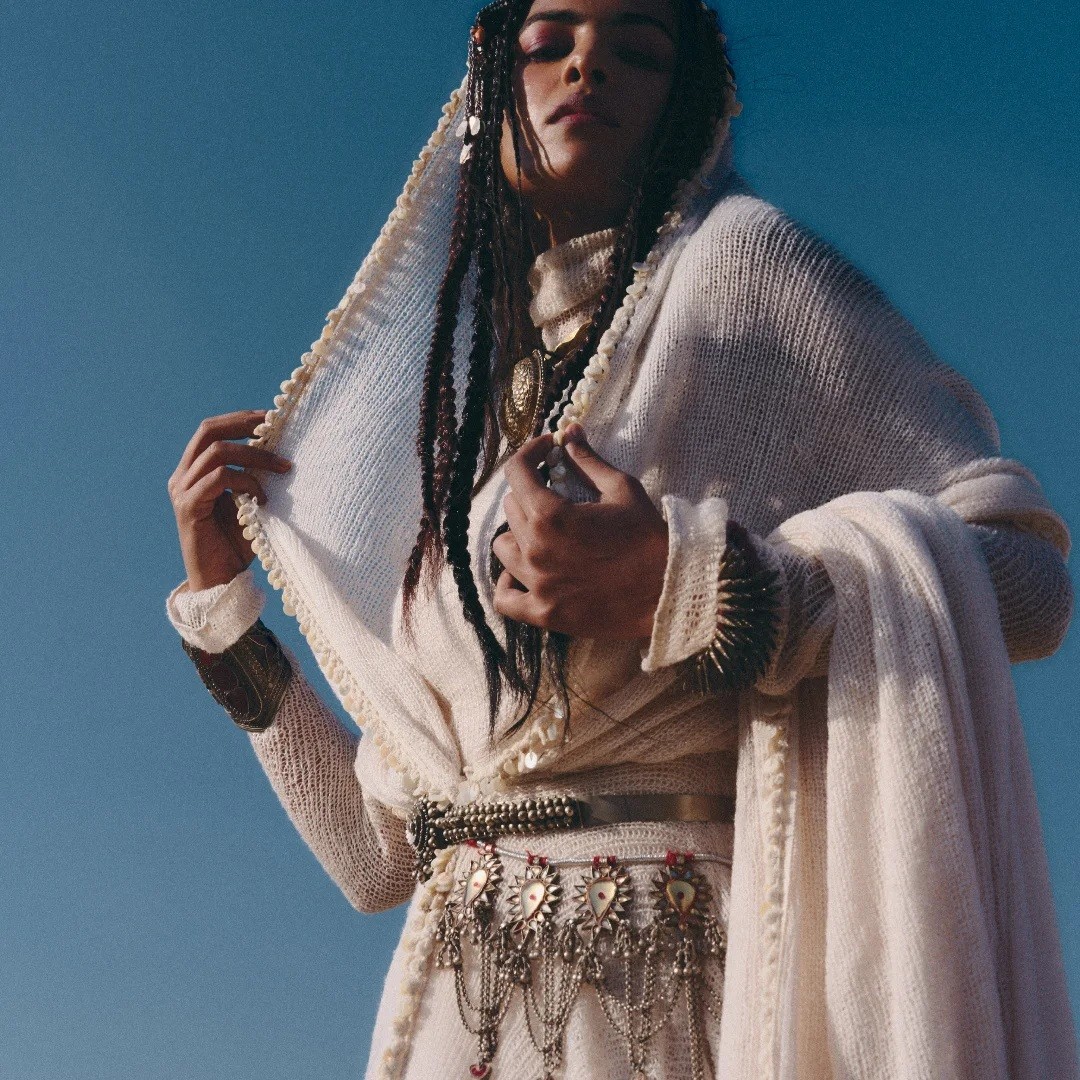
Photo: Courtesy of Bana Studio
In 2014, The Studio formally evolved into Bana Studio, relocating to the historic cultural district of Hauz Khas Village. The transformation marked not only a change in name but also the consolidation of the brand’s identity as a space where jewelry is treated as both wearable art and ethnographic heritage. Today, the studio continues to present pieces that embody the philosophy of “ornamentation of the body and soul,” emphasizing jewelry as a medium of cultural storytelling rather than mere decoration.
Through its careful curation of tribal and vintage adornments, Bana Studio positions jewelry as a bridge between craft, memory, and identity. Each object carries traces of regional craftsmanship, social symbolism, and historical continuity, transforming the act of wearing jewelry into an engagement with India’s layered visual culture.
Let us now take a closer look at a selection of Bana Studio’s distinctive pieces, where traditional craftsmanship and cultural heritage come to life through silver and tribal ornament.
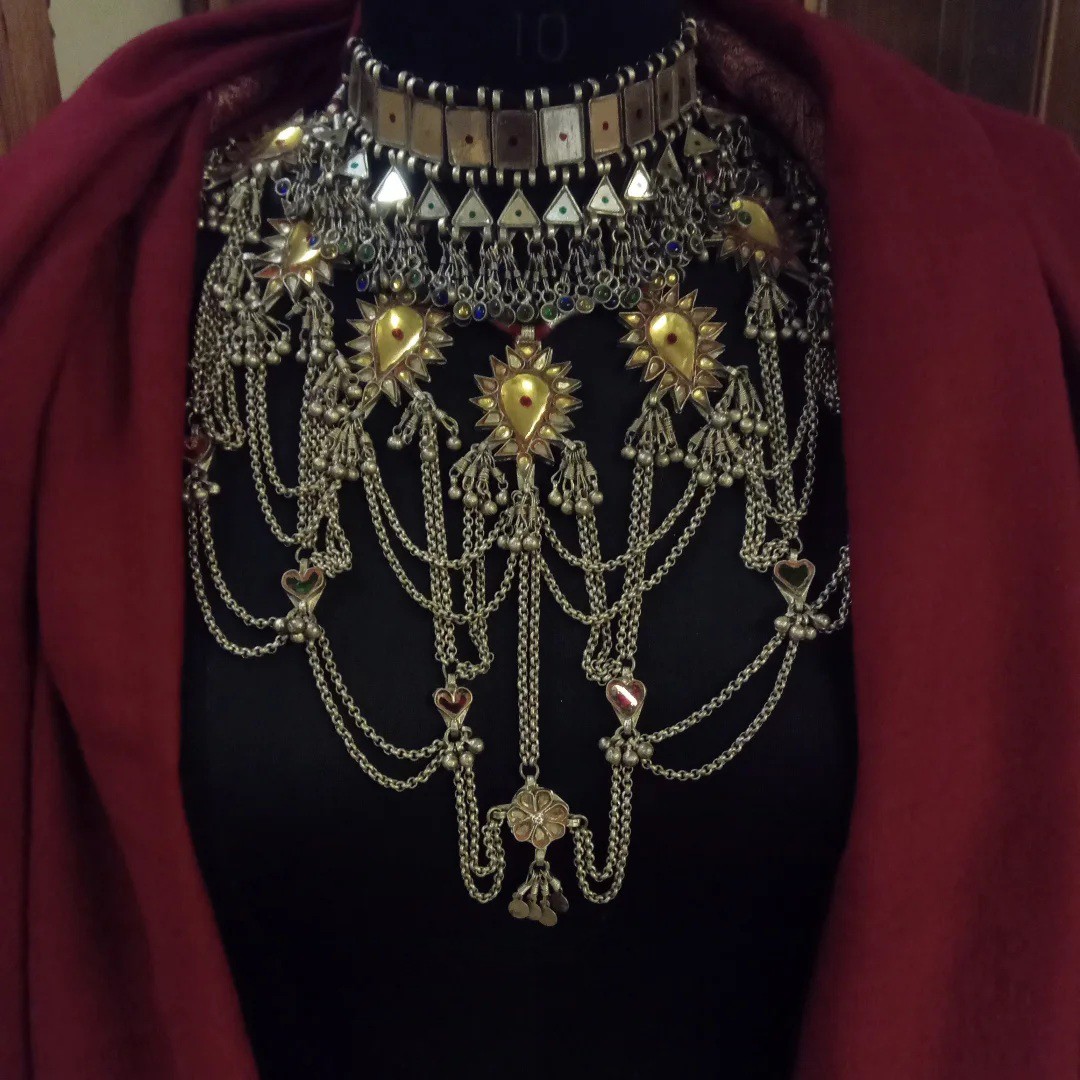
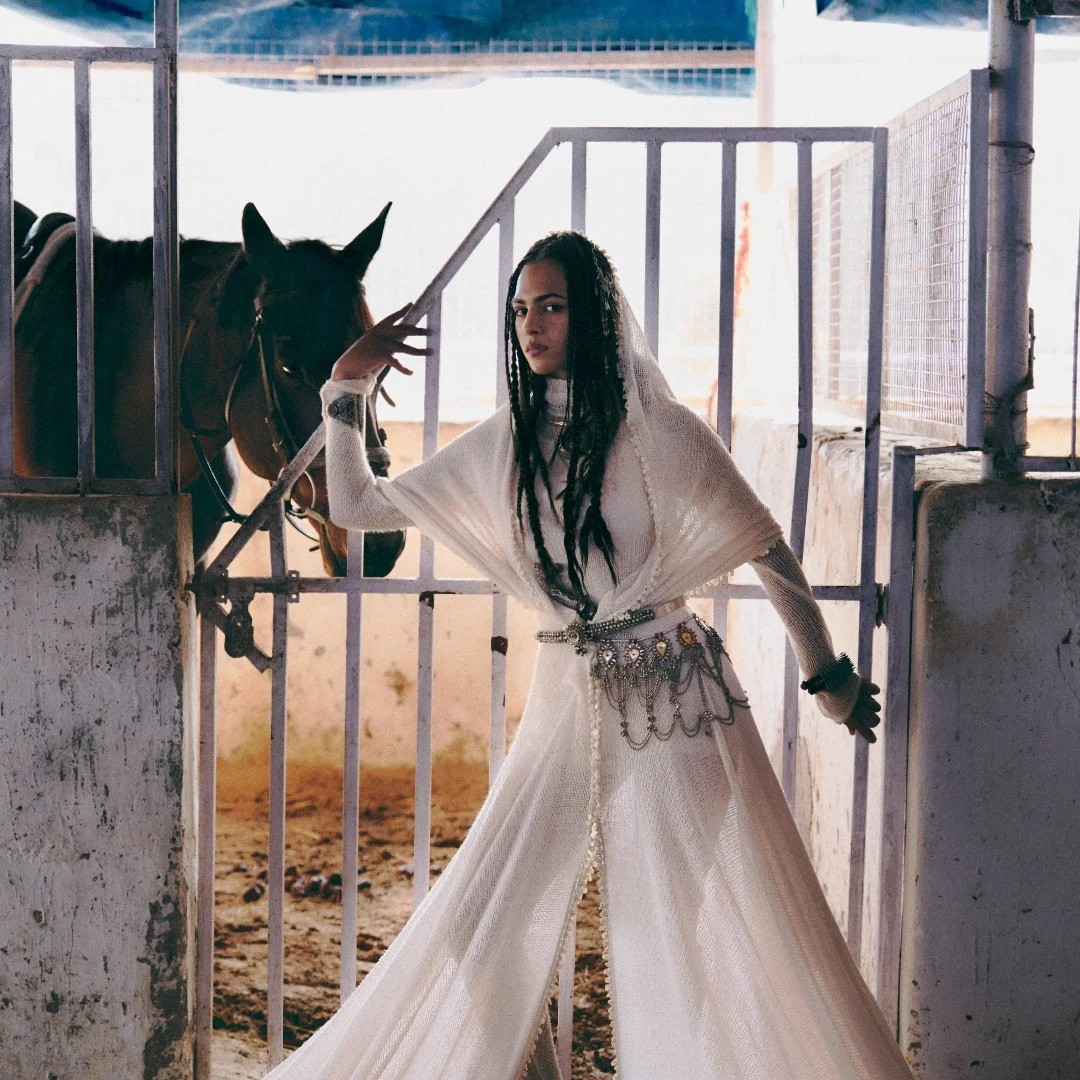
Photo: Courtesy of Bana Studio
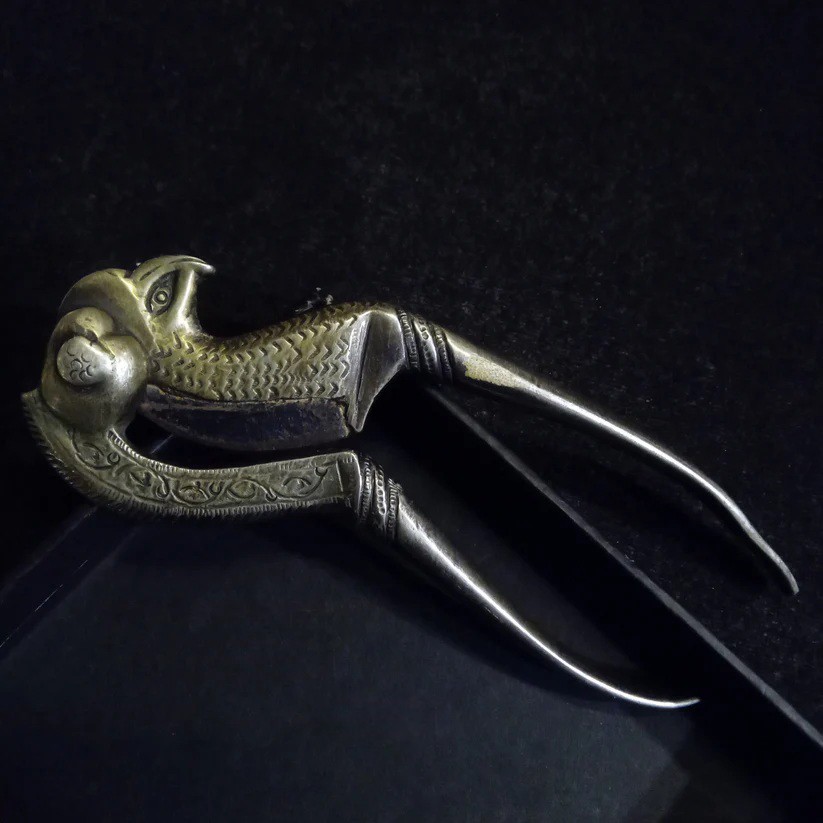
Sarota, 512$
A vintage silver betel nut cutter from Uttar Pradesh 5 inches of sculptural craftsmanship that transforms a utilitarian object into a collectible work of art.
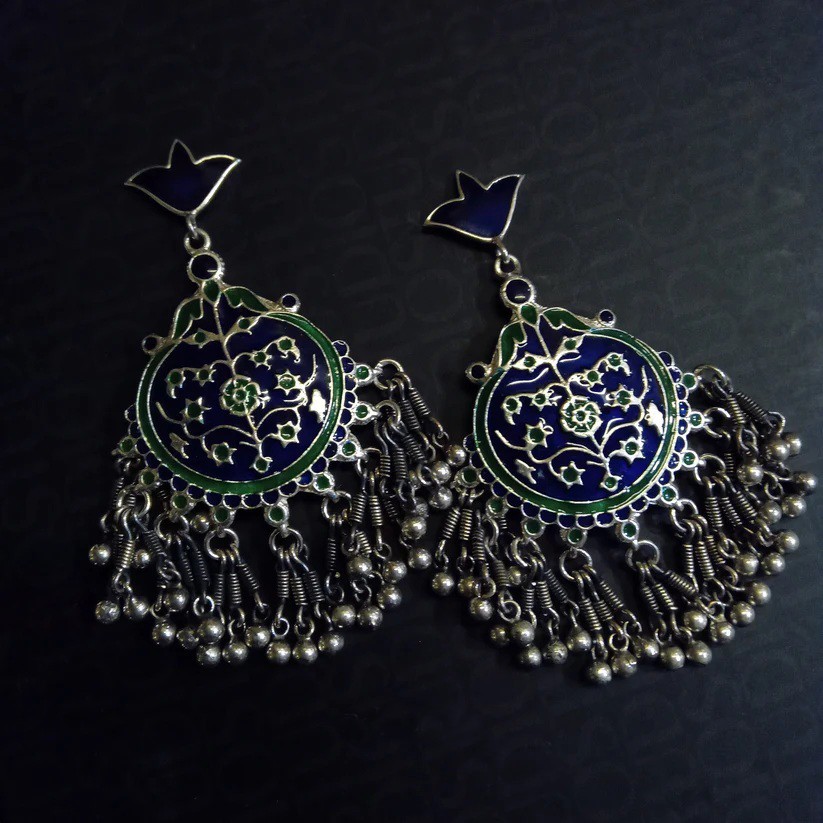
Meena Earring, 330$
Vintage 925 silver earrings from Himachal Pradesh, enamelled with delicate artistry 7 cm of timeless elegance.
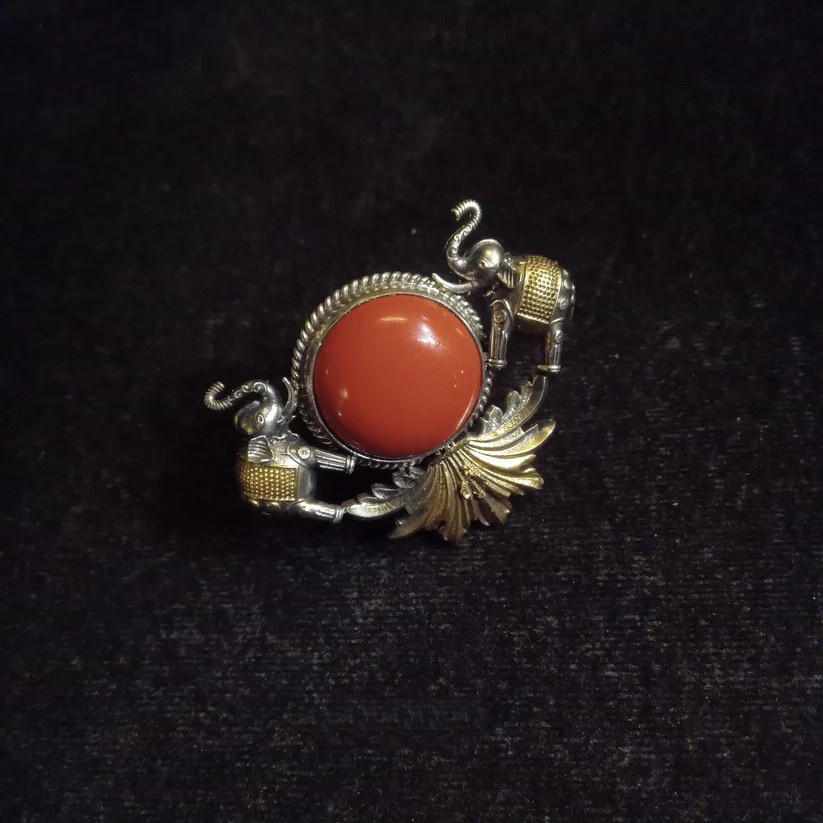
Elephant Ring, 102$
Elephant Ring: A dual-tone 925 silver ring, crowned with reconstituted coral, effortlessly balancing contemporary edge with artisanal finesse.
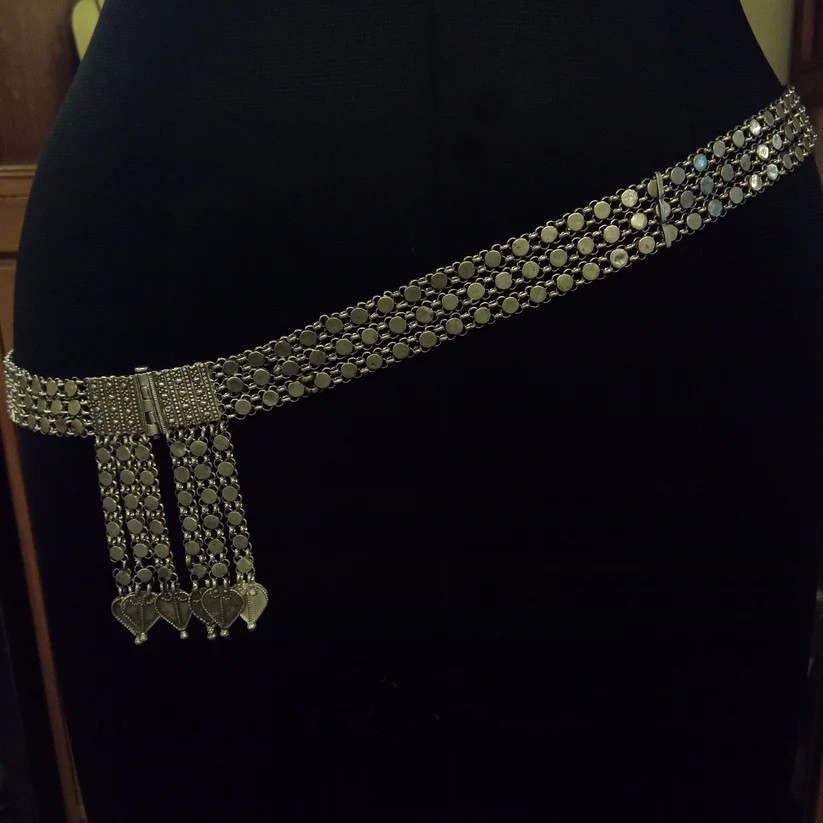
Folk Sil Belt, 1,933$
A one-of-a-kind vintage silver waist belt from Kerala, featuring an openable clasp and six delicate chains with yoni-shaped charms, symbolizing fertility 38 inches long, 1 inch wide, and steeped in artisanal heritage.
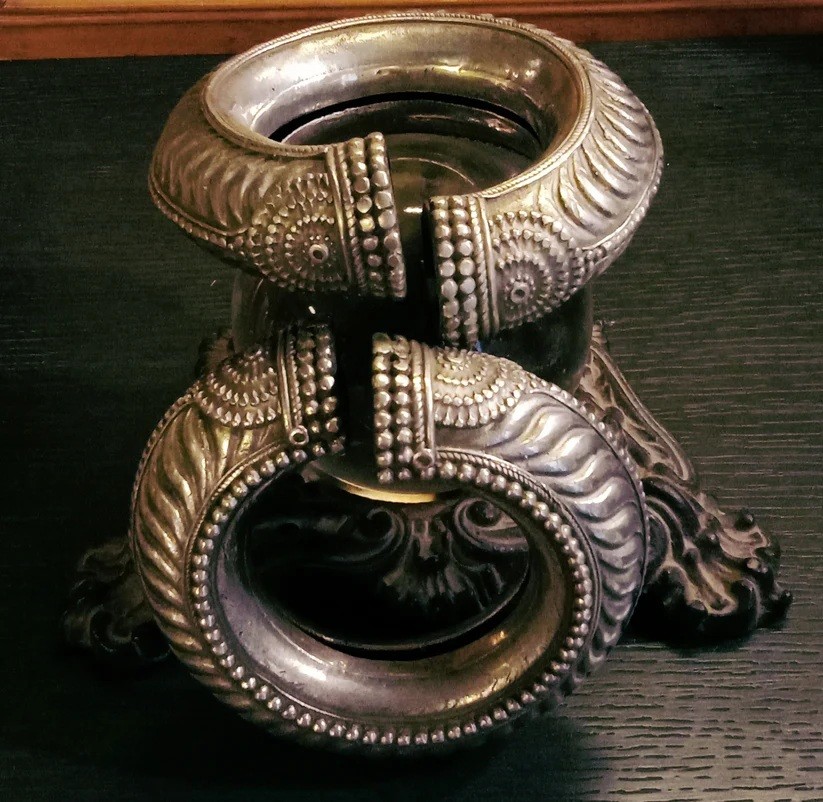
Tribal Anklets, 5,685$
Exquisitely vintage, this silver anklet pair from Madhya Pradesh embodies timeless Indian craftsmanship, with a delicate 3-inch inner diameter that whispers elegance.
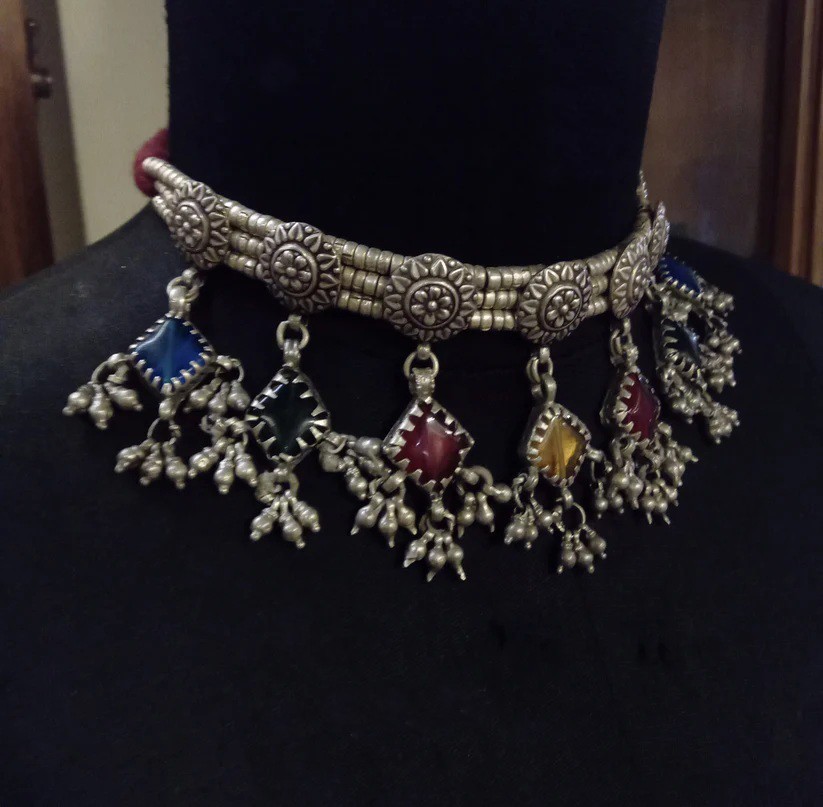
Guluband, 933$
A vintage silver choker, adorned with glistening glass and strung on an adjustable cotton thread, effortlessly blending artisanal charm with modern elegance.
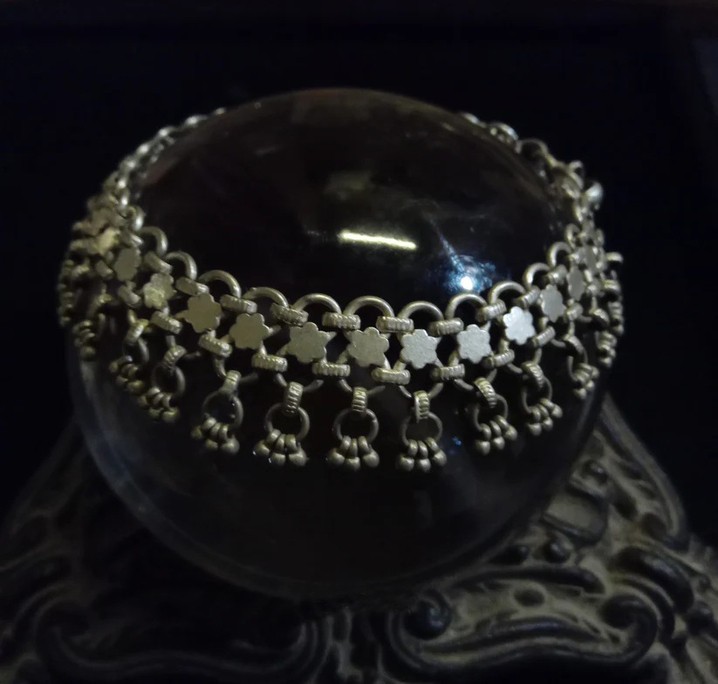
Anklets Rajasthan, 284$
Vintage silver anklets from Rajasthan timeless pieces that echo India’s rich artisanal heritage.
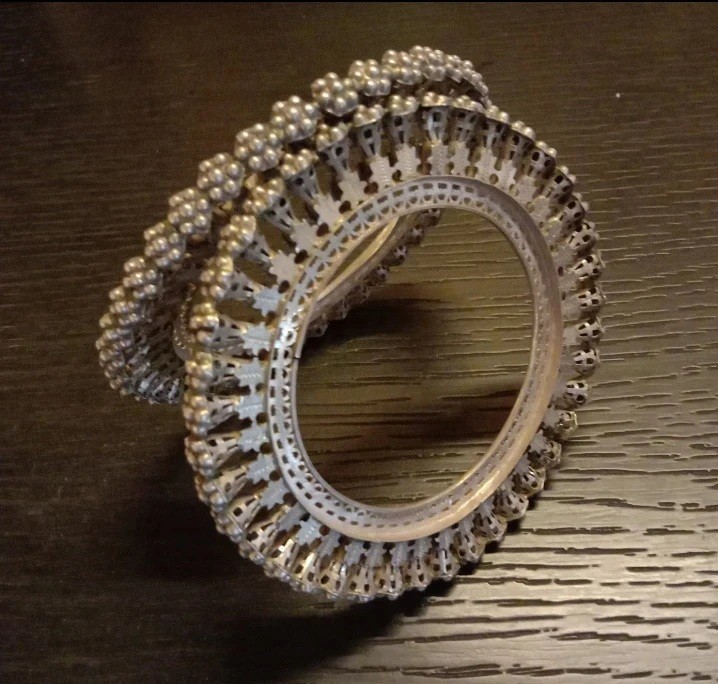
A traditional vintage silver bangle pair, “Bangadi,” from Rajasthan 6 cm inner diameter, where heritage craftsmanship meets timeless elegance.
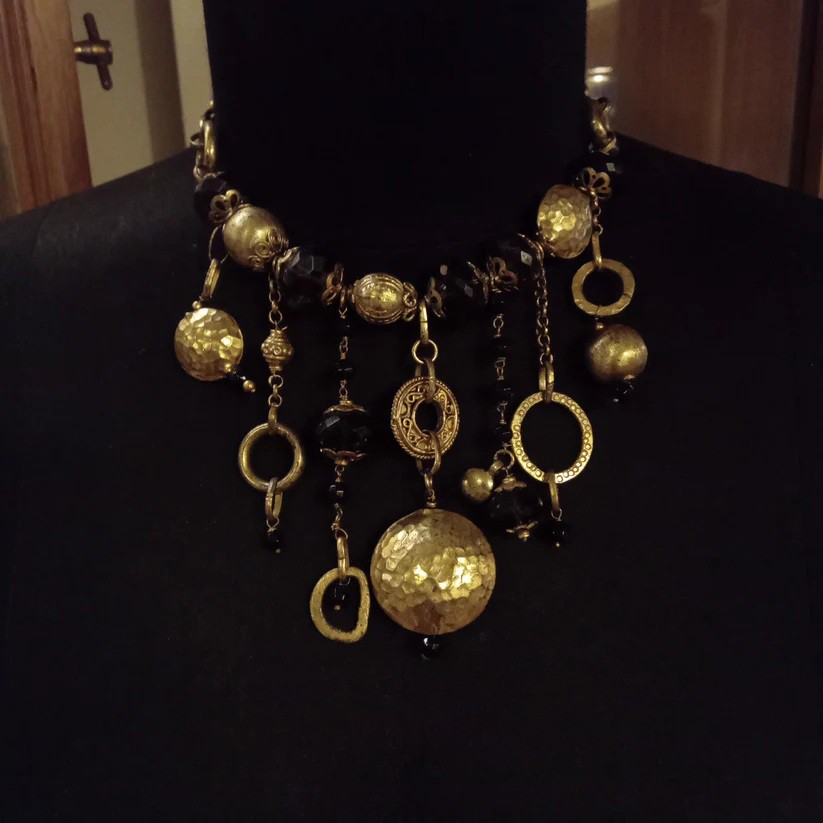
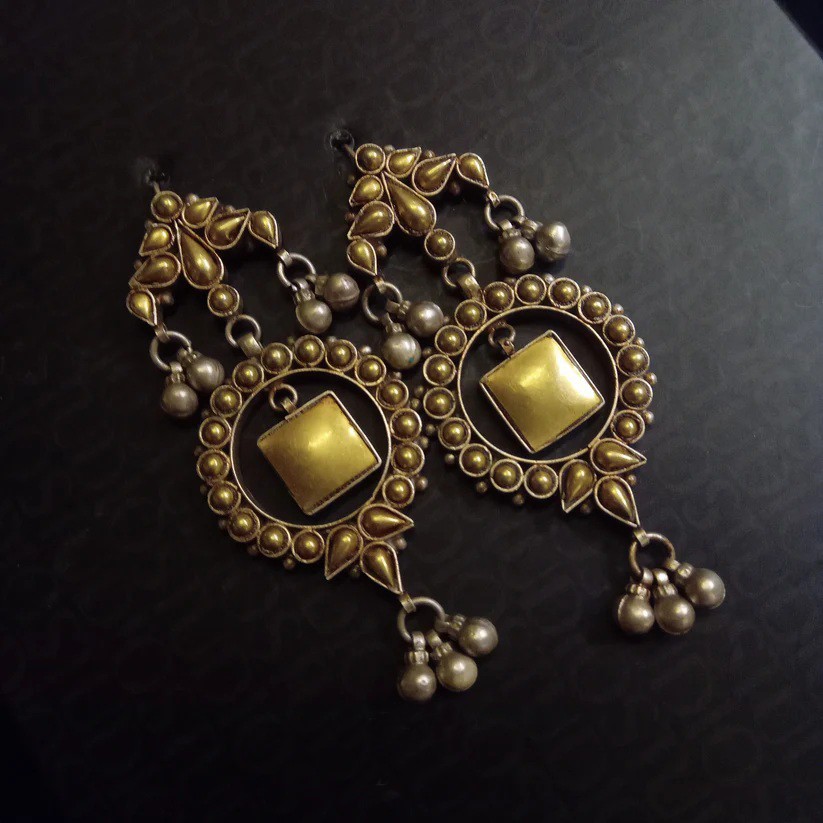
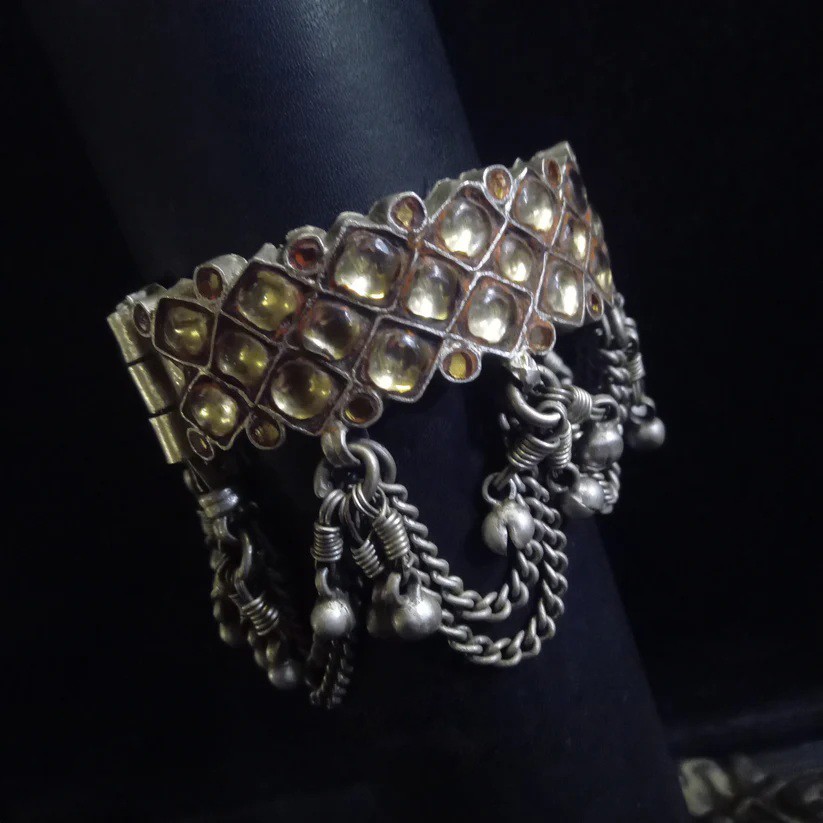
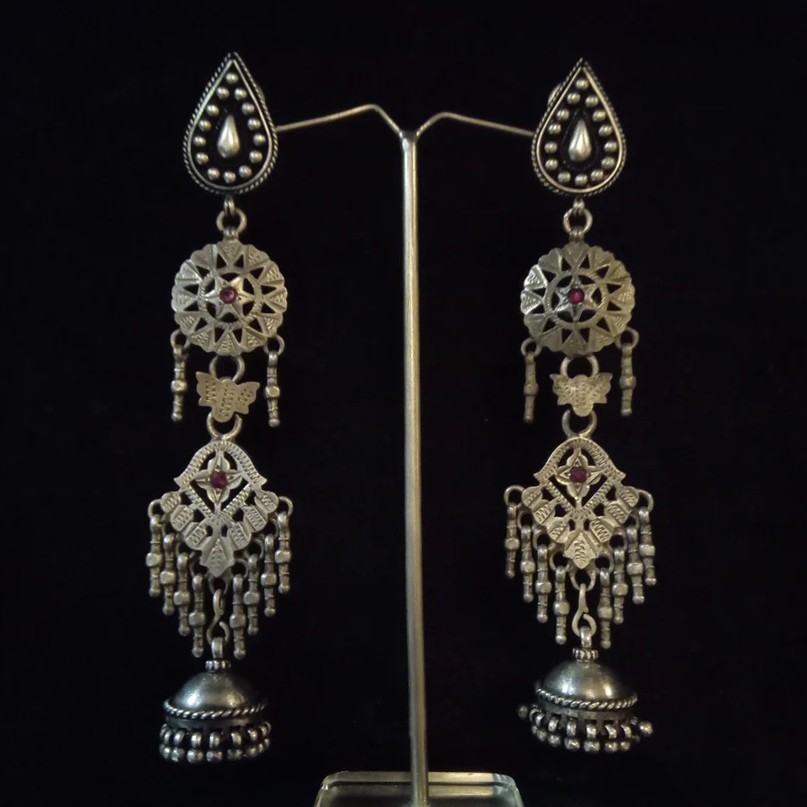
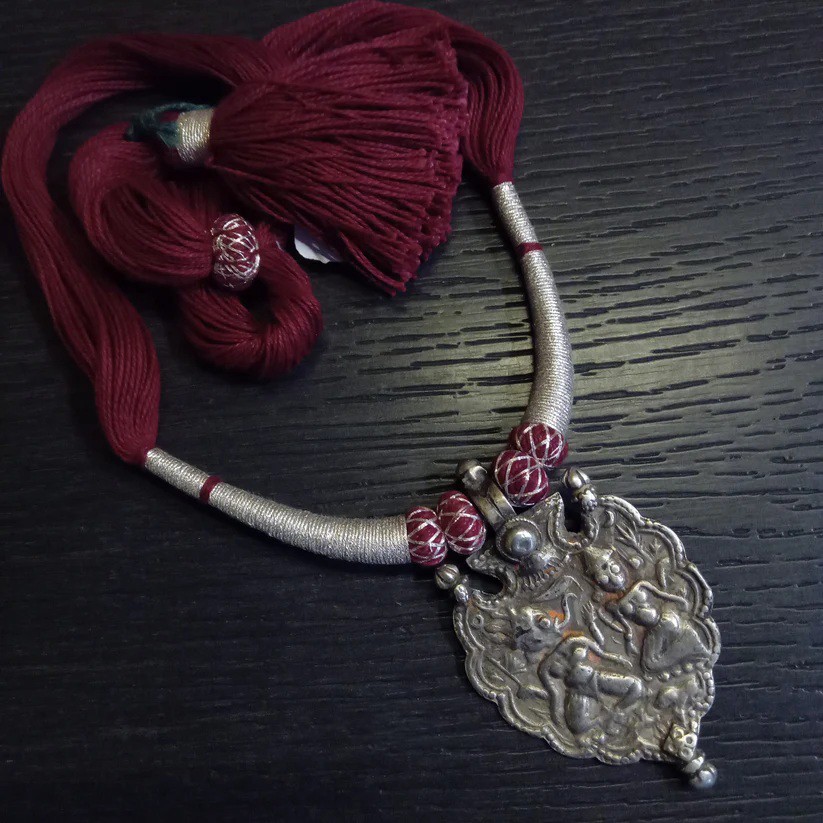
Ganesh Lakshmi Pandant, 352,5$
A vintage silver auspicious amulet pendant from Madhya Pradesh, strung on an adjustable cotton thread where tradition meets subtle, wearable elegance.
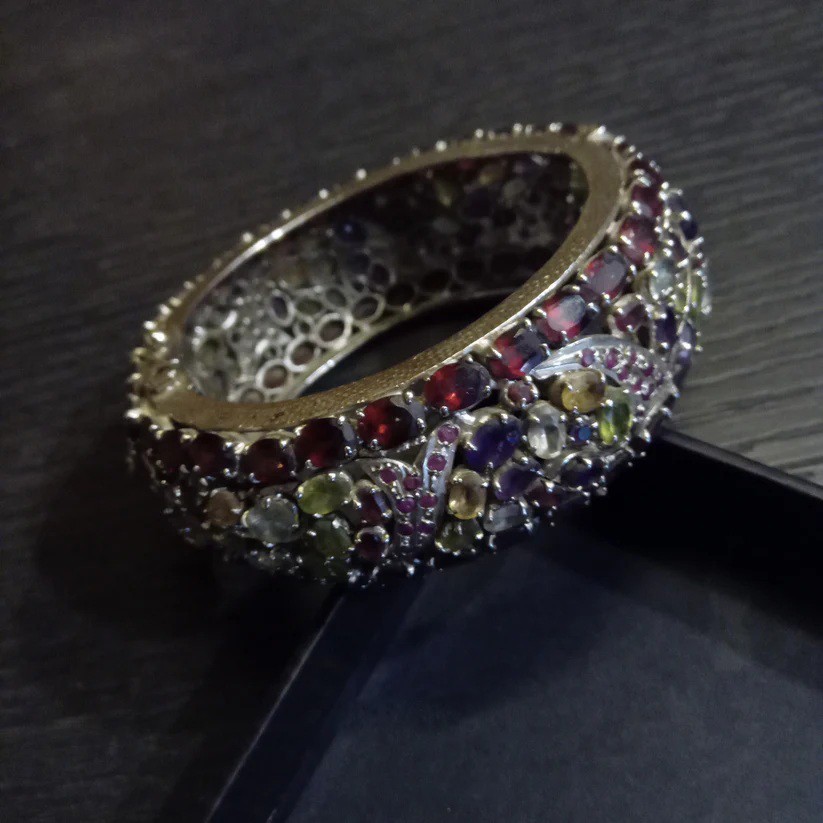
Tutti Fruti, 1,080$
A 925 silver bracelet, studded with precious and semi-precious stones 2.5 inches of refined, artisanal elegance.
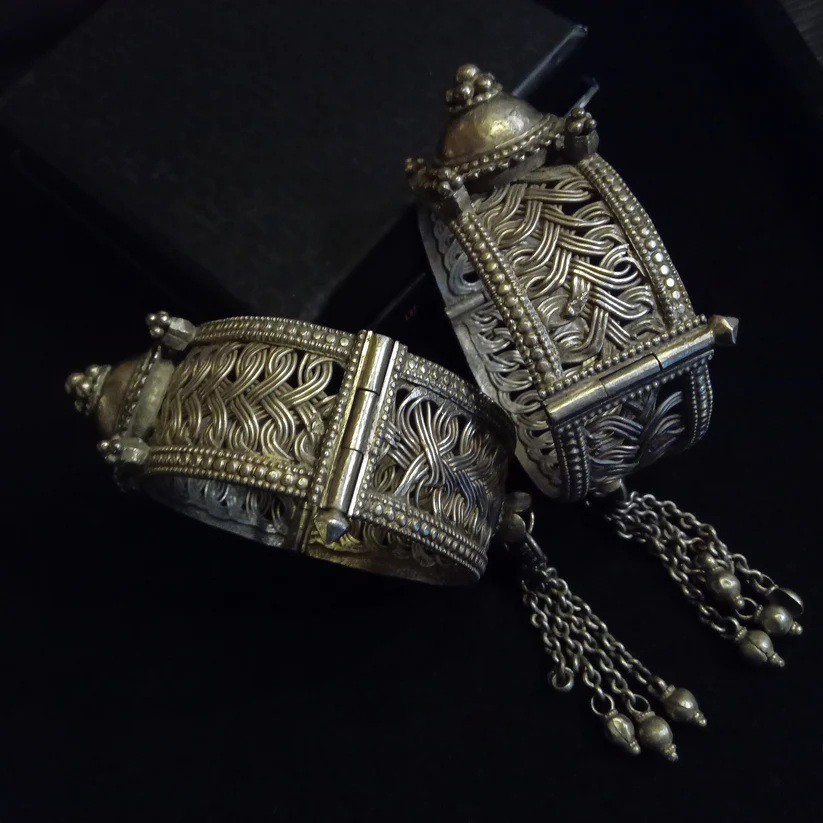
Adivasi Bazuband, 398$
A rare vintage silver bazu from Odisha, featuring an openable design and temple-inspired Shikhar motif 7 cm inner diameter, where heritage meets sculptural elegance.
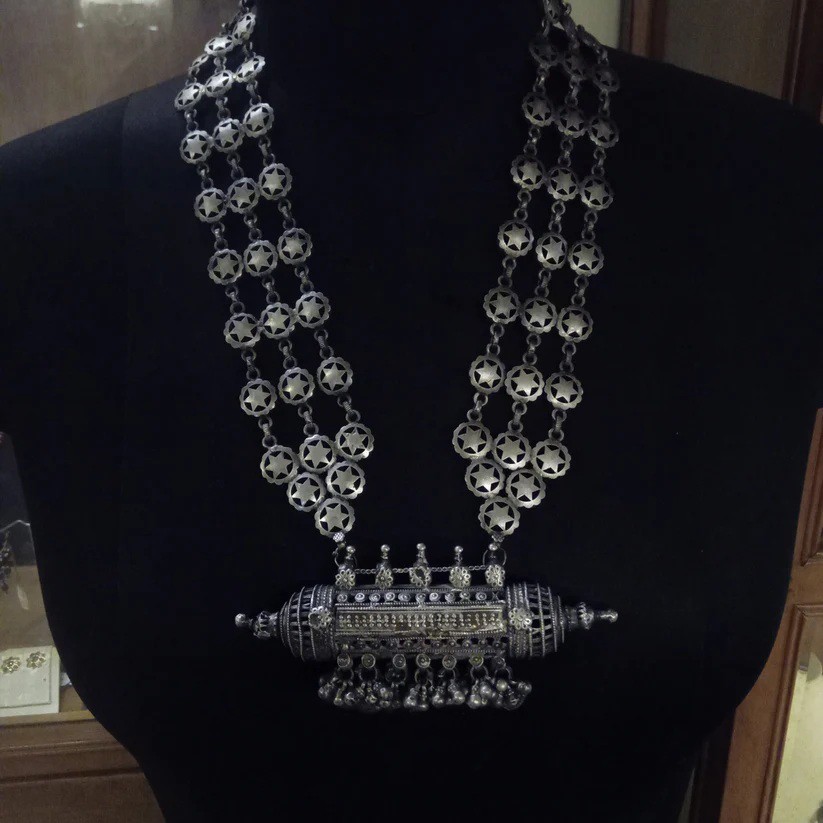
Tara Necklace, 1,194$
A vintage silver necklace from Rajasthan, featuring a striking jantar pendant on an adjustable cotton thread 14.5-inch drop, where timeless tradition meets effortless elegance.
This article is an original editorial analysis produced by [DIBA magazine]
Research and references are used for contextual accuracy.
