
|
Subscribe to our Newsletter
In Barnaby Roper’s work, fashion comes alive. Every frame moves, breathes, and tells a story, blending garments, light, and motion into cinematic, editorial experiences. His films and photography transform campaigns into immersive narratives, where identity, style, and innovation intersect.
By The Editorial Staff
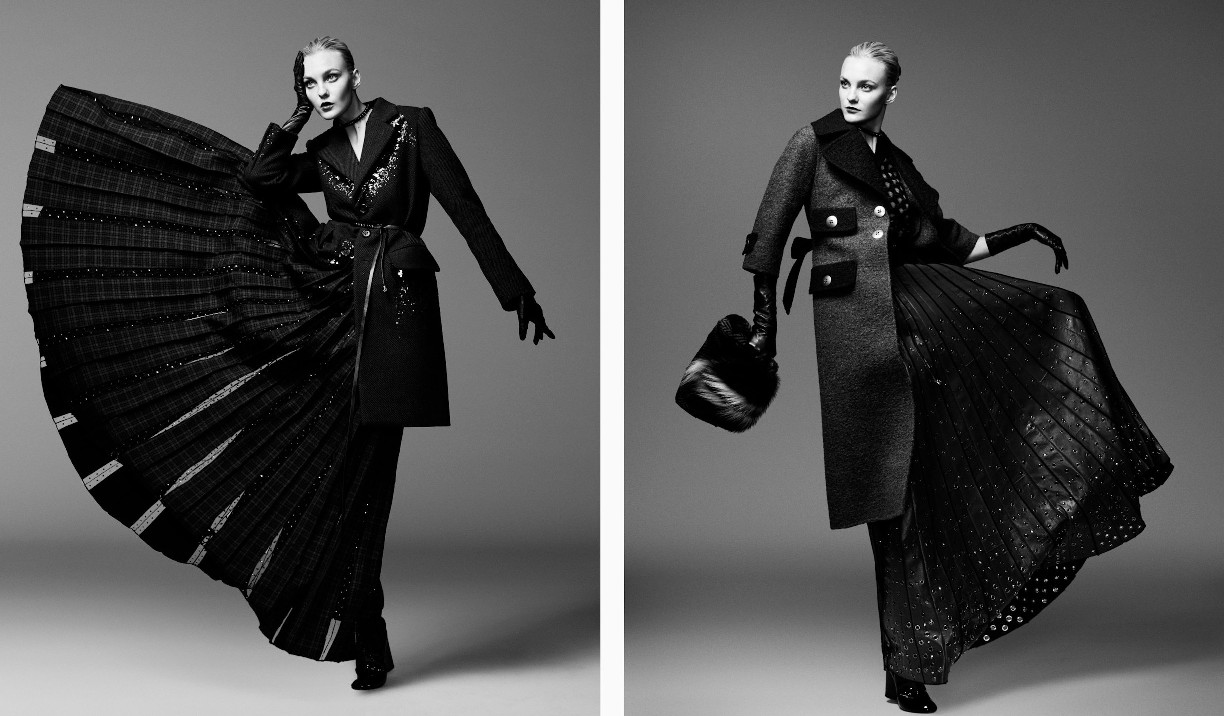
Photo: barnabyroper.com
From the pulse of London’s creative studios to the cutting-edge galleries of Paris, Barnaby Roper has been quietly reshaping how fashion is seen, felt, and imagined. His work does not merely document clothing, it choreographs movement, light, and emotion into cinematic experiences that linger in memory. Each frame, whether still or in motion, balances texture and narrative, turning campaigns and editorials into immersive stories. Collaborations with visionaries like David Bowie, Kanye West, Chanel, and Givenchy reveal a filmmaker and photographer who sees fashion not as a product, but as a living medium, one that bridges identity, technology, and artistry, and continues to push the limits of contemporary editorial expression.
Born in the United Kingdom in 1974, Barnaby Roper began his creative journey immersed in the world of graphic art at Central Saint Martins, an institution renowned for shaping some of the most visionary artists and designers of his generation. Graduating with first-class honors, he quickly moved beyond the classroom, stepping into directing with a keen eye for composition, conceptual depth, and visual storytelling.
From the very start, Roper refused to confine himself to a single medium. Photography and film became intertwined in his practice, each informing the other. This fluid approach allowed him to navigate effortlessly between editorial spreads and cinematic sequences, crafting imagery that feels at once meticulously composed and vividly alive. It is this versatility, the ability to bridge stillness and motion, that has drawn musicians, fashion houses, and cultural institutions into collaboration, each project reflecting a seamless dialogue between art, narrative, and luxury.
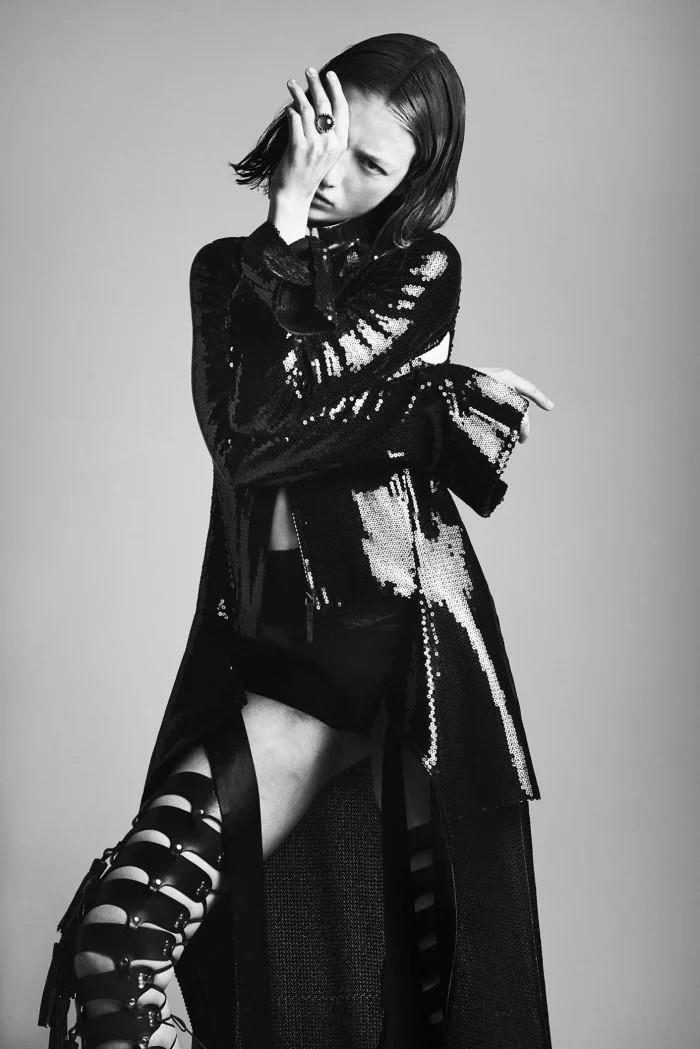
Photo: barnabyroper.com
What distinguishes Roper from many of his contemporaries is his willingness to push the technical and formal boundaries of the moving image. Rather than treating film as a simple extension of photography, he has consistently explored the expressive potential of motion, sound, and digital techniques. His works often involve a sophisticated fusion of live‑action footage with advanced post‑production, experimental sound design, and interactive elements, techniques that place his craft at the cutting edge of contemporary visual production.
Roper’s films are dynamic not only in their visual style, but in how they treat movement and rhythm as narrative vehicles. In pieces such as Mutant Stage 10, part of a long‑running series exhibited at Lafayette Anticipations in Paris, Roper used choreography and architectural context to explore how bodies and space interact, becoming integral to the visual story itself. In this work, which features dancers weaving through meticulously constructed environments, the camera isn’t just a passive observer, it participates in a dialogue between motion, form, and spatial perception.
This willingness to experiment technically places Roper somewhere between commercial filmmaking and fine art practice. His films are less about linear narratives and more about experiential visual architecture, where texture, movement, and sound carry meaning as strongly as any plot or spoken word.
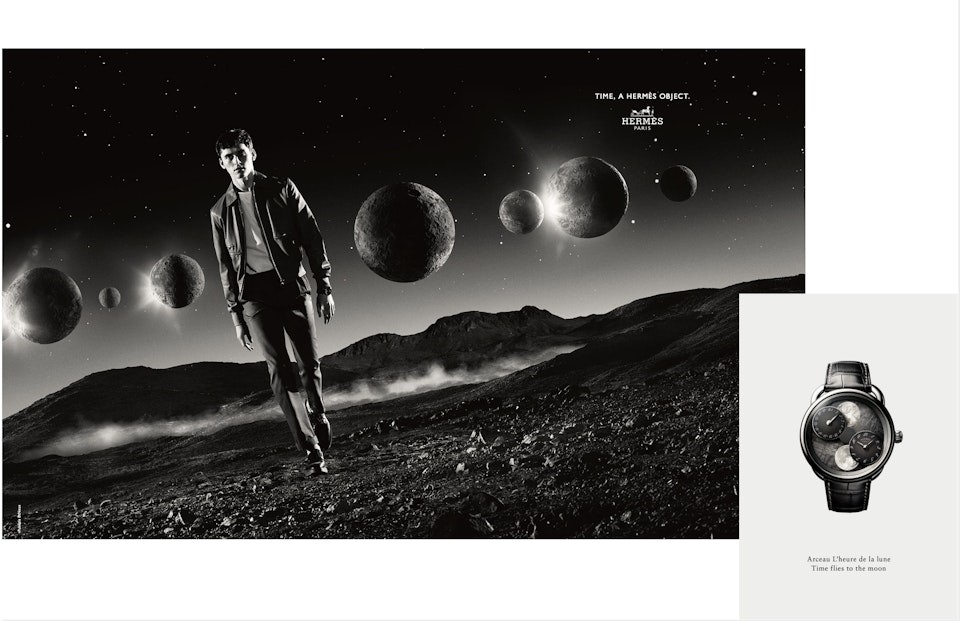
Barnaby Roper x Hermes
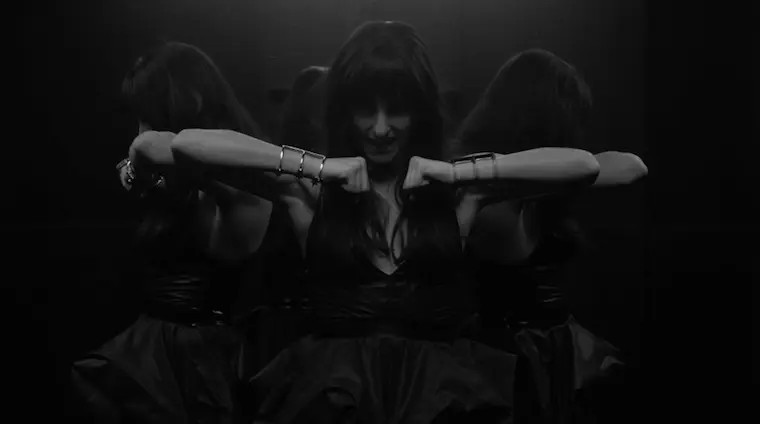
Barnaby Roper x Banks
Photo: barnabyroper.com
A key dimension of Roper’s practice is his collaborations with artists, musicians, and global brands. His body of work encompasses music videos for iconic performers such as David Bowie, Kanye West, and Banks, where his visual language translates sound into moving images with a seamless, emotionally resonant grammar. For Bowie, Roper directed visuals for “Love Is Lost,” a piece that blends surreal atmosphere with painterly composition, a visual that resonates far beyond the music itself.
In the fashion world, Roper’s roster of clients reads like a who’s who of luxury labels. He has directed visual content and films for major houses including Lancôme, Givenchy, Chanel, Dior, Hugo Boss, Hermès, L’Oréal, and Karl Lagerfeld‑branded projects. Rather than conventional advertising, Roper’s work in these collaborations often elevates brand imagery into conceptual visual storytelling, where garments interact with movement, space, and human presence in unexpected ways.
For example, his film The Interview and the visually experimental Hermès projects apply high‑contrast imagery and abstract motion to establish visual rhythm, allowing the clothing and context to become part of broader narrative forces. This approach aligns Roper more with fashion as cultural expression than fashion as promotion alone.
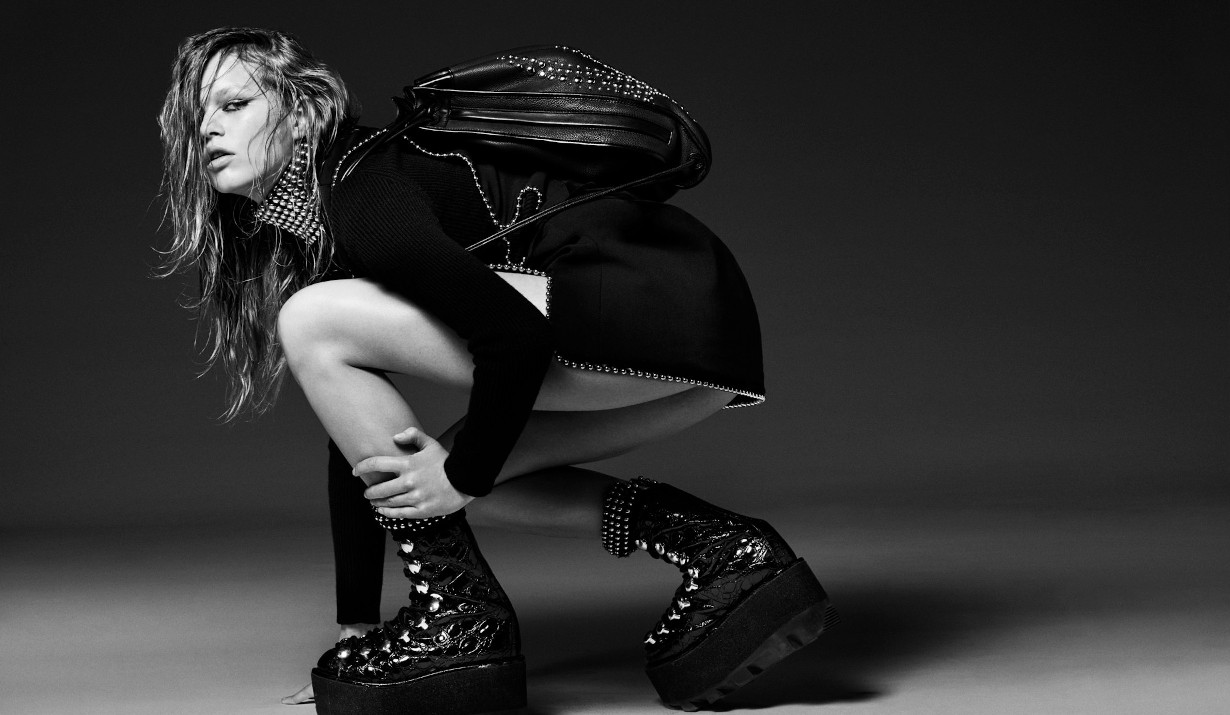
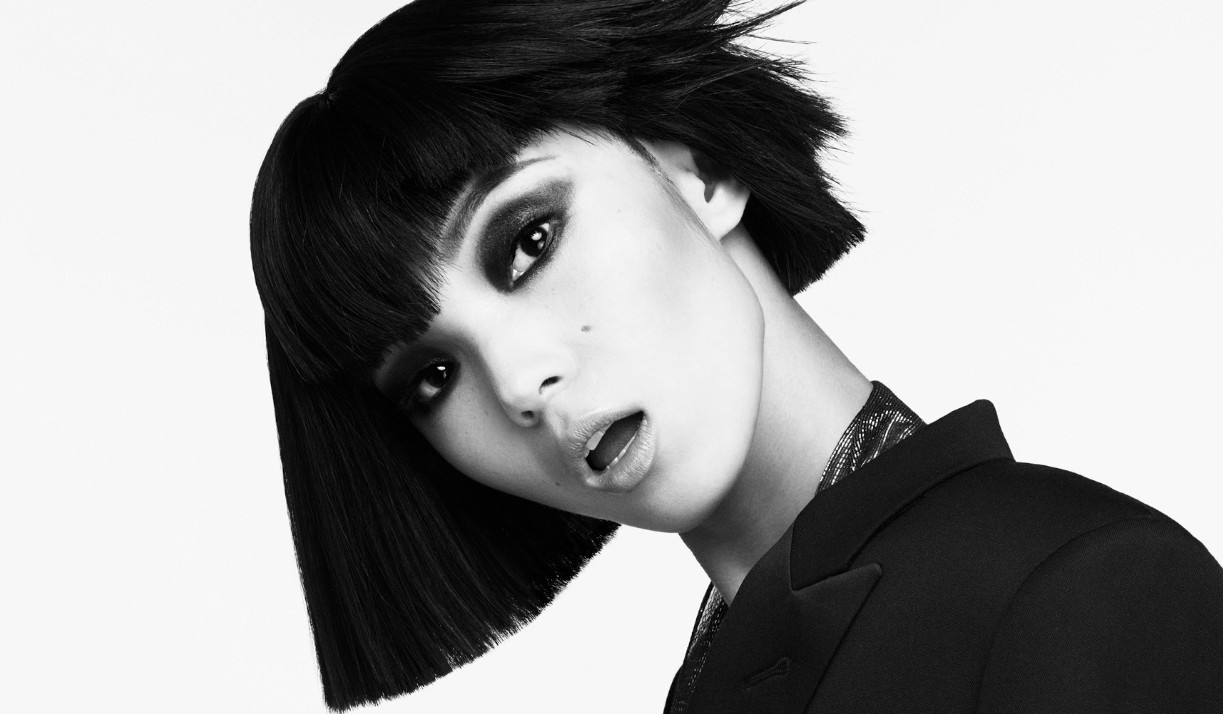
Photo: barnabyroper.com
Roper’s editorial photography has appeared in major international publications, including i‑D, Dazed & Confused, British Vogue, Japanese Vogue, GQ Style, and French GQ, platforms that have historically celebrated boundaries‑pushing visual language in fashion imagery. His still images often reflect a similar aesthetic to his films: bold compositions, refined textures, and a dynamic interplay between subject and environment.
At the same time, his commercial work for global brands like Nike and Apple demonstrates his ability to translate artistic vision into highly polished media campaigns. The Nike ACG project and other brand collaborations showcase his versatility: technically immaculate, conceptually layered, and visually engaging.
Roper’s commercial and editorial work are not simply alternate domains; they are unified by a shared commitment to visual innovation and narrative complexity.
Roper’s presence is not limited to print or screen; his work has also been shown in venues that bridge contemporary art and design. Most notably, his participation in Mutant Stage, part of a long‑term series exhibited at Lafayette Anticipations, an institution dedicated to experimental visual practice in Paris , situated him within conversations at the intersection of performance, architecture, and moving image.
This series, which placed bodies and cameras in dynamic dialogue with evolving architectural space, reflects Roper’s broader inclination toward forms that challenge the distinctions between cinema, choreography, and installation art.
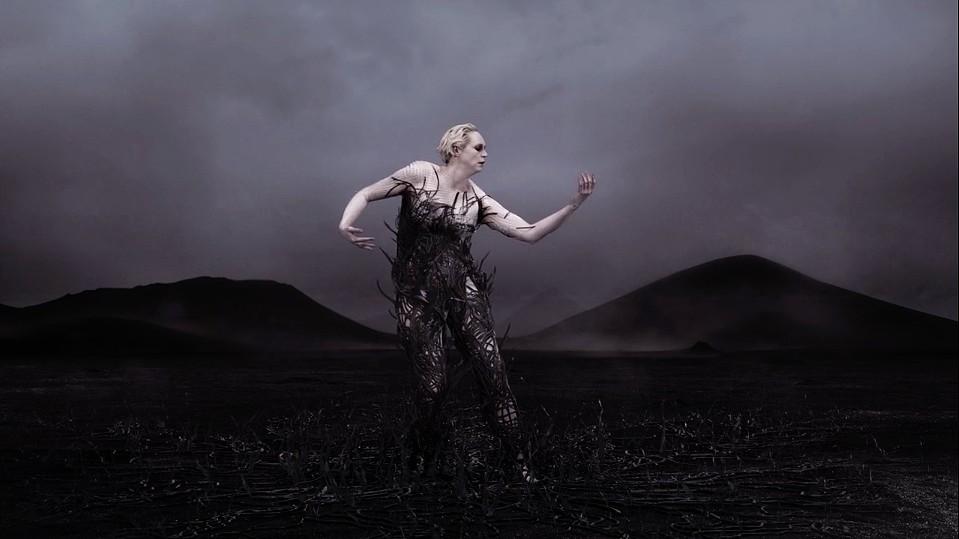
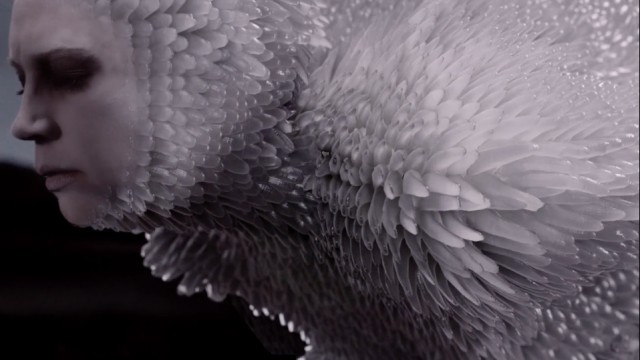
English actor and model Gwendoline Christie is styled in avant-garde creations by Iris van Herpen
Photo: Barnaby Roper and enhanced with digital effects by Paris VFX studio St-Louis.
Across his diverse projects, a few consistent themes emerge in Roper’s work:
Movement as meaning: Motion in his films and sequences doesn’t simply record action, it constructs narrative vibration, where rhythm, pacing, and physical presence become narrative structures.
Technological integration: Roper embraces digital effects, interactive media, and post‑production as integral to visual expression, not as afterthoughts.
Blending disciplines: His work continually dissolves boundaries between editorial fashion, commercial storytelling, music video, and installation art.
Humanity in abstraction: Even in highly technical sequences, Roper maintains a focus on what makes visuals felt, emotional presence, gesture, expression, and atmosphere.
These elements make his oeuvre not just a collection of commissioned work, but a coherent visual philosophy, one that treats fashion imagery as a living, breathing conversation between culture, body, and motion.
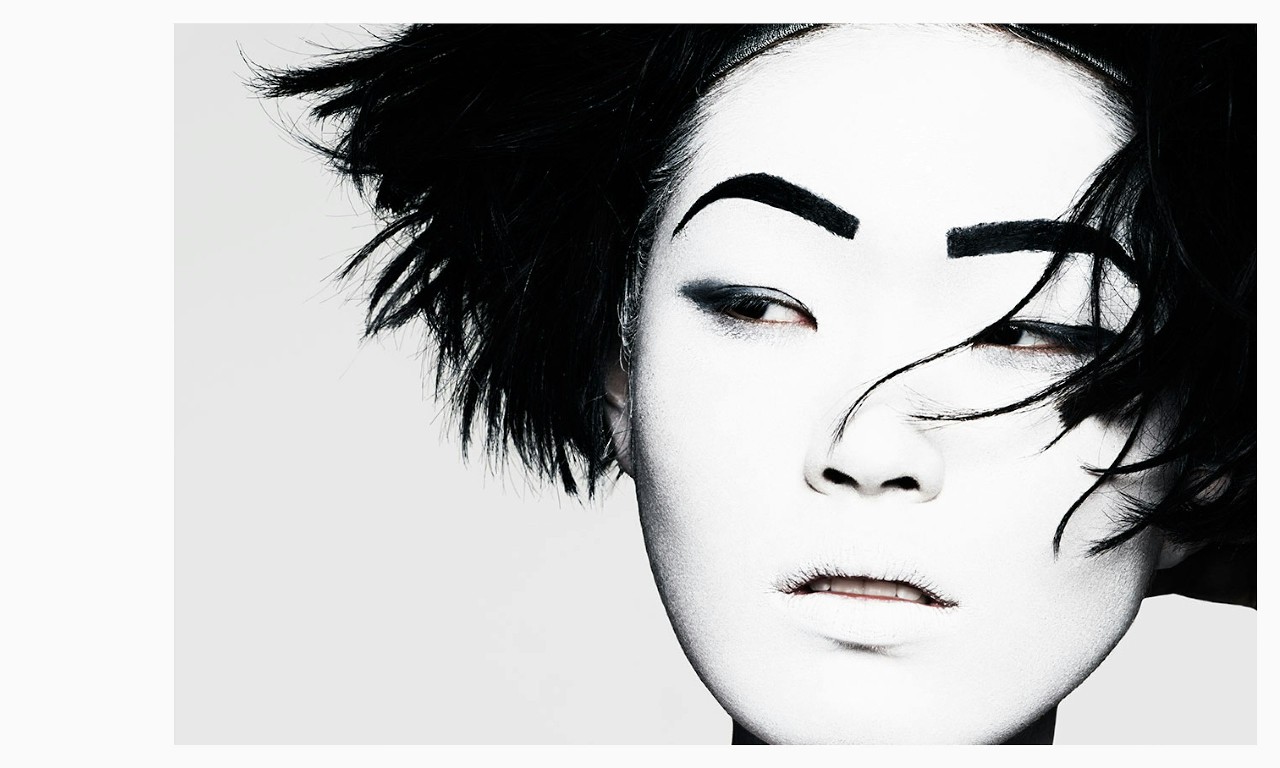
Photo: barnabyroper.com
Roper’s career exemplifies how creative vision and technical innovation can converge to shape not only brand narratives but broader cultural understanding. His work questions the traditional role of the fashion image, not as a static promotional tool, but as a rich, emotionally resonant visual experience.
Roper’s influence extends beyond the works themselves: it resides in how visual culture now understands the relationship between clothing, movement, identity, and cinematic form. In a world where image consumption is constant and digital aesthetics evolve rapidly, his films and photography continue to expand how fashion can be experienced, imagined, and felt.
This article is an original editorial analysis produced by [DIBA magazine]
Research and references are used for contextual accuracy.
