
|
Subscribe to our Newsletter
For over four decades, Nick Knight has reshaped fashion photography, turning it into a laboratory of experimentation, digital innovation, and cultural reflection. Through pioneering collaborations and the visionary platform SHOWstudio, he transforms how fashion is imagined, captured, and experienced. His work defies conventional beauty, placing fashion imagery at the cutting edge of art and technology.
By the Editorial Staff
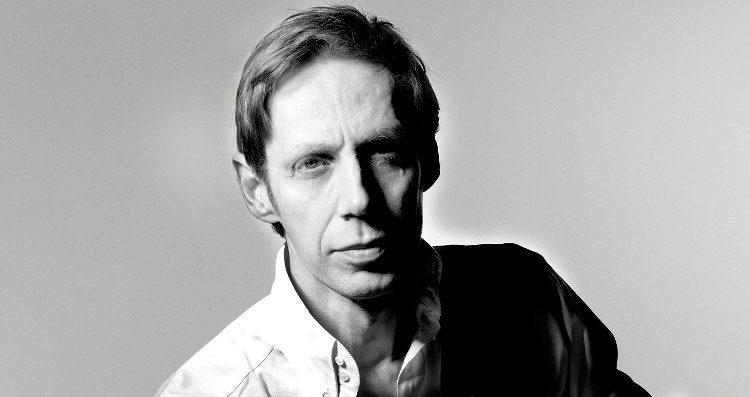
Nick Knight, self portrait
There are fashion photographers, and then there is Nick Knight, a figure who never simply captured clothes, but reprogrammed the way fashion sees itself. Not only a pioneering photographer, Knight is also a visionary fashion film director, bringing the same experimental and conceptual approach to moving images as he does to still photography. Emerging from London’s art scene in the early 1980s, Knight first drew attention with his book Skinheads, a raw and human study of British subculture that already hinted at his lifelong fascination with identity and representation. By the time he began collaborating with designers such as Yohji Yamamoto and Alexander McQueen, it was clear that his lens was not interested in passive beauty. He gravitated toward tension between fragility and power, imperfection and elegance, tradition and disruption. In Knight’s world, fashion was never static decoration; it was a living organism, capable of mutation.
Over the decades, Knight transformed from photographer into image-maker, filmmaker, and digital pioneer. In 2000, he founded SHOWstudio, a platform that radically shifted fashion from the secrecy of backstage to the transparency of live-streamed creation, making process as important as product. His collaborations expanded beyond couture houses into music and performance, working with artists like Lady Gaga and Kanye West, further dissolving the boundary between fashion, art, and technology. Knight’s imagery challenges perfection, embraces digital manipulation without apology, and insists that beauty is expansive, political, and constantly evolving. To understand contemporary fashion imagery is, in many ways, to trace the visual language back to him, to the moment fashion stopped posing and started questioning itself.
Building on this experimental and conceptual approach, Knight’s visual philosophy is rooted in the idea that fashion imagery should function as visual thinking rather than simple representation.
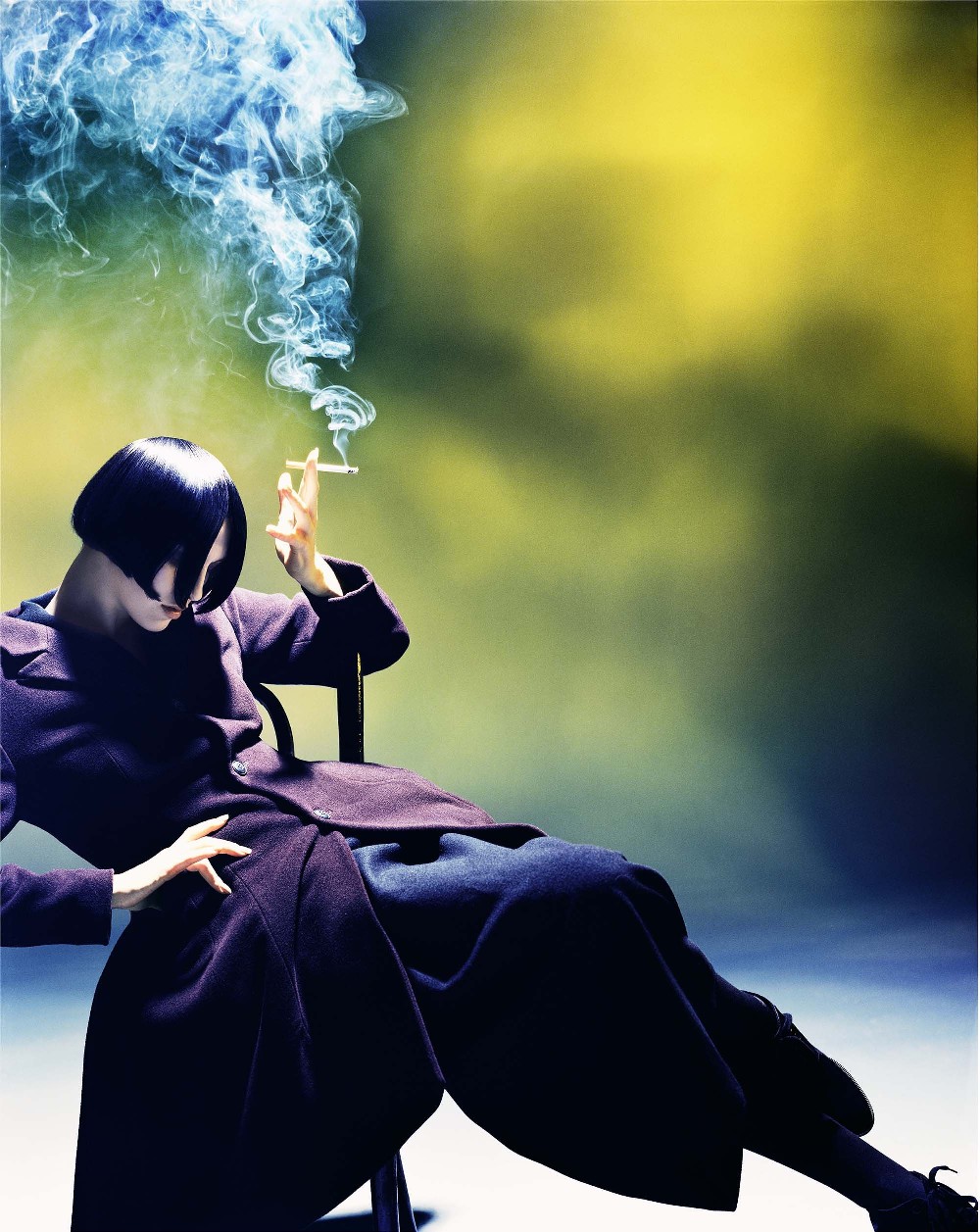
Susie Smoking, hand-coated pigment print, 1988, printed 2016
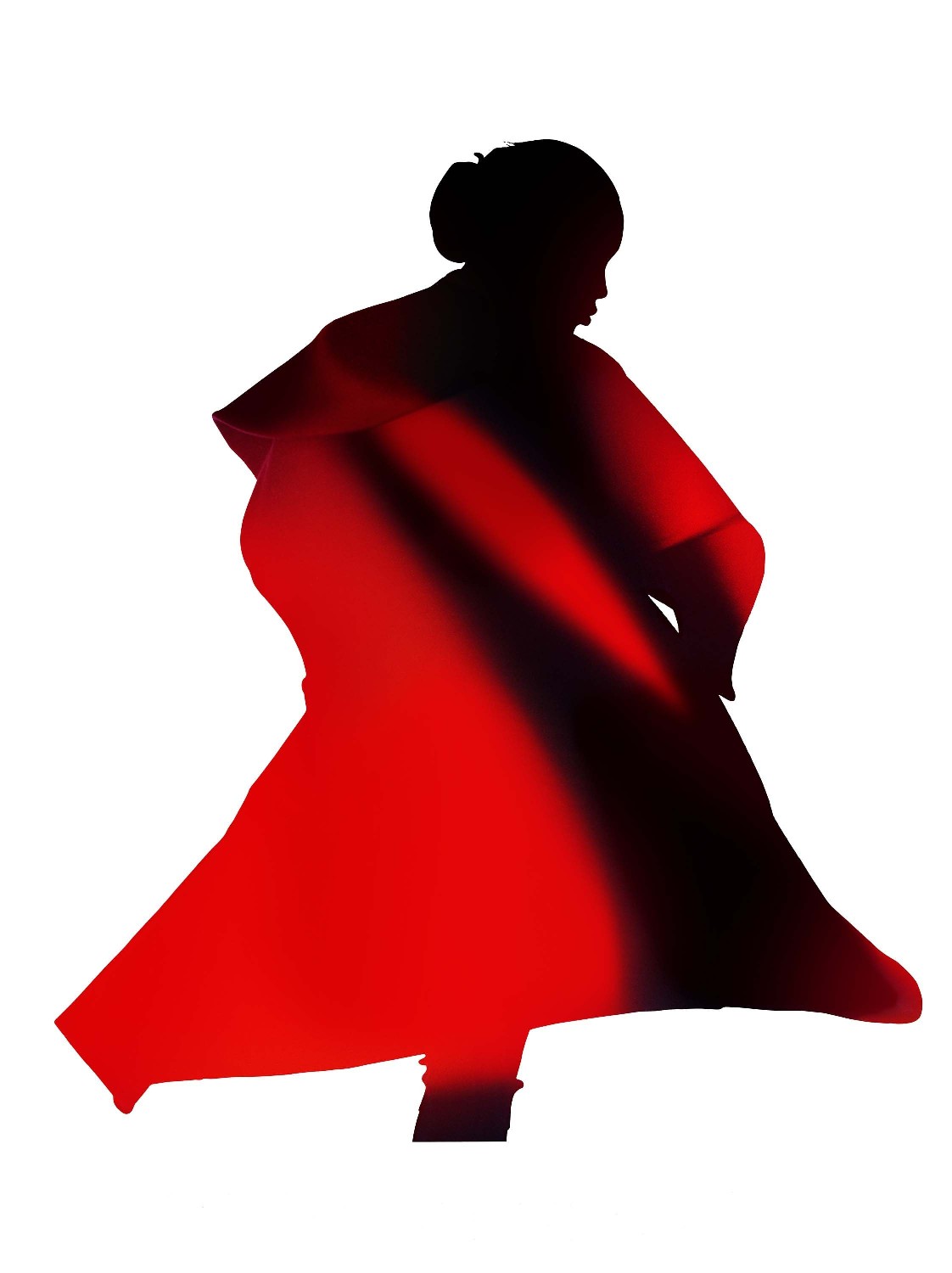
Red Coat I, Naomi Campbell for Yohji Yamamoto, hand-coated pigment print, 1987, printed 2016
Nick Knight
The vision of Nick Knight is rooted in the idea that fashion imagery should function as visual thinking rather than simple representation. Instead of treating fashion as a decorative surface, he approaches it as a mutable field where identity, beauty, and technology intersect. His work often destabilizes traditional hierarchies of beauty by foregrounding tension between softness and structure, vulnerability and power, and the organic and the synthetic. The human body in his photographs is not presented as a passive object but as a site of emotional and conceptual expression. Details such as skin texture, subtle movement, translucency of light across surfaces, and unconventional framing choices contribute to a sense that the image is alive and psychologically charged. Knight’s photography tends to feel simultaneously distant and intimate, visually controlled yet emotionally open allowing viewers to confront beauty as a complex cultural and philosophical construct.
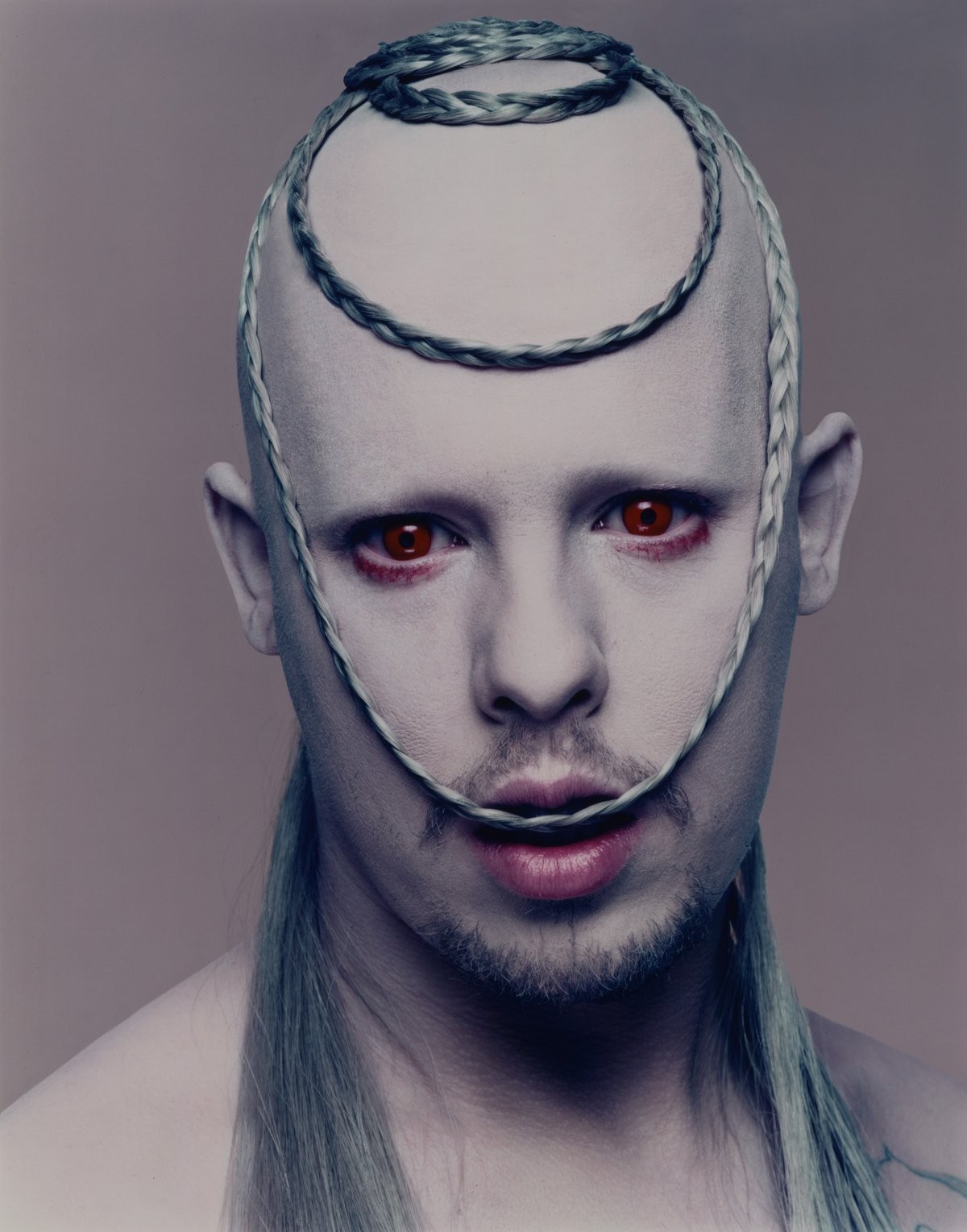
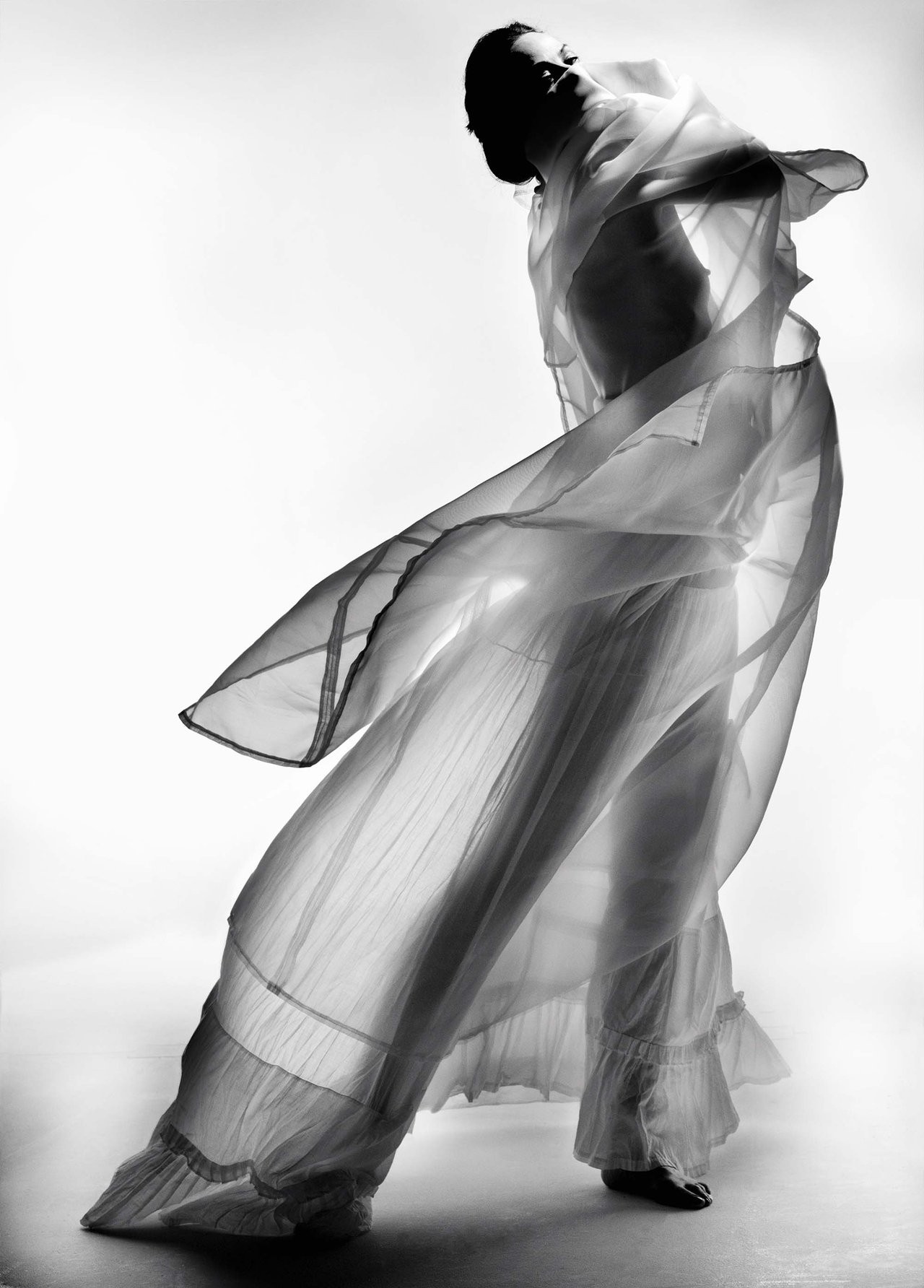
Alexander McQueen, portrait
Lady Amanda Harlech, hand-coated pigment print, 2009, printed 2016
Nick knight
From a technical perspective, Knight’s practice is defined by a dialogue between precision and experimentation. His lighting design often combines sculptural studio illumination with atmospheric softness, allowing subjects to appear as if they are emerging from or dissolving into light. High-resolution imaging plays a crucial role in his work, as he frequently amplifies microscopic surface details, transforming fabric folds, skin pores, and material textures into monumental visual elements. Rather than using digital tools to hide imperfection, he uses them to expand visual possibility, employing controlled distortion, color modulation, and subtle spatial manipulation. Minimalist or negative-space backgrounds are frequently used to isolate the subject, emphasizing form and presence. In motion projects and fashion film, this aesthetic continues through carefully choreographed light movement and surface interaction. Ultimately, Knight’s technique reflects a broader vision: fashion imagery as a dynamic medium capable of merging art, technology, and cultural discourse.
In 1982, while still a student at Bournemouth and Poole College of Art, Nick Knight published Skinheads, a photographic book documenting Britain’s skinhead youth. At the time, mainstream media portrayed the subculture through a narrow and often sensationalist lens. Knight approached it differently. His portraits were intimate, frontal, and composed with almost classical precision.
The tension was deliberate: working-class youth presented with the same formal dignity typically reserved for aristocracy or high fashion. The clean backgrounds and careful lighting elevated his subjects without romanticizing them. What made Skinheads radical was not provocation, but empathy. Knight was already interrogating who gets to be seen and how.
This early project foreshadowed everything that would follow: his fascination with identity, his resistance to conventional beauty hierarchies, and his insistence that fashion and portraiture could operate as cultural critique rather than decoration.
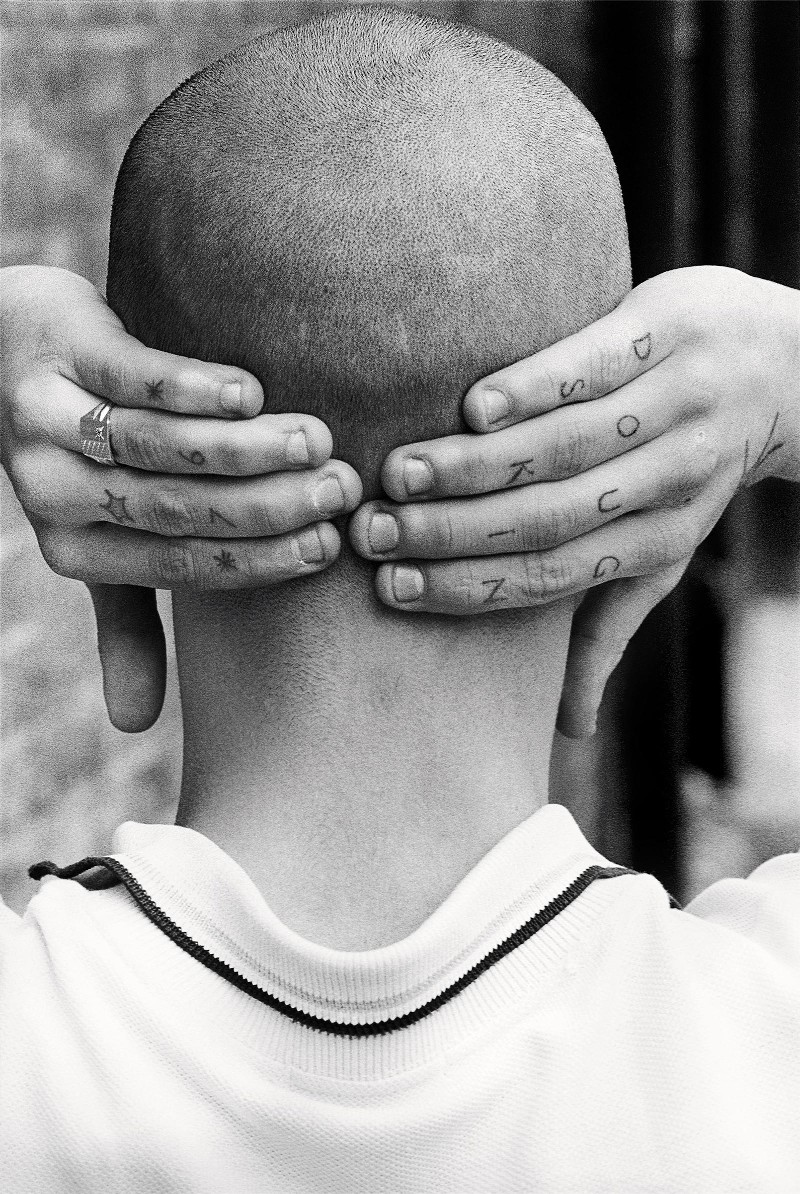
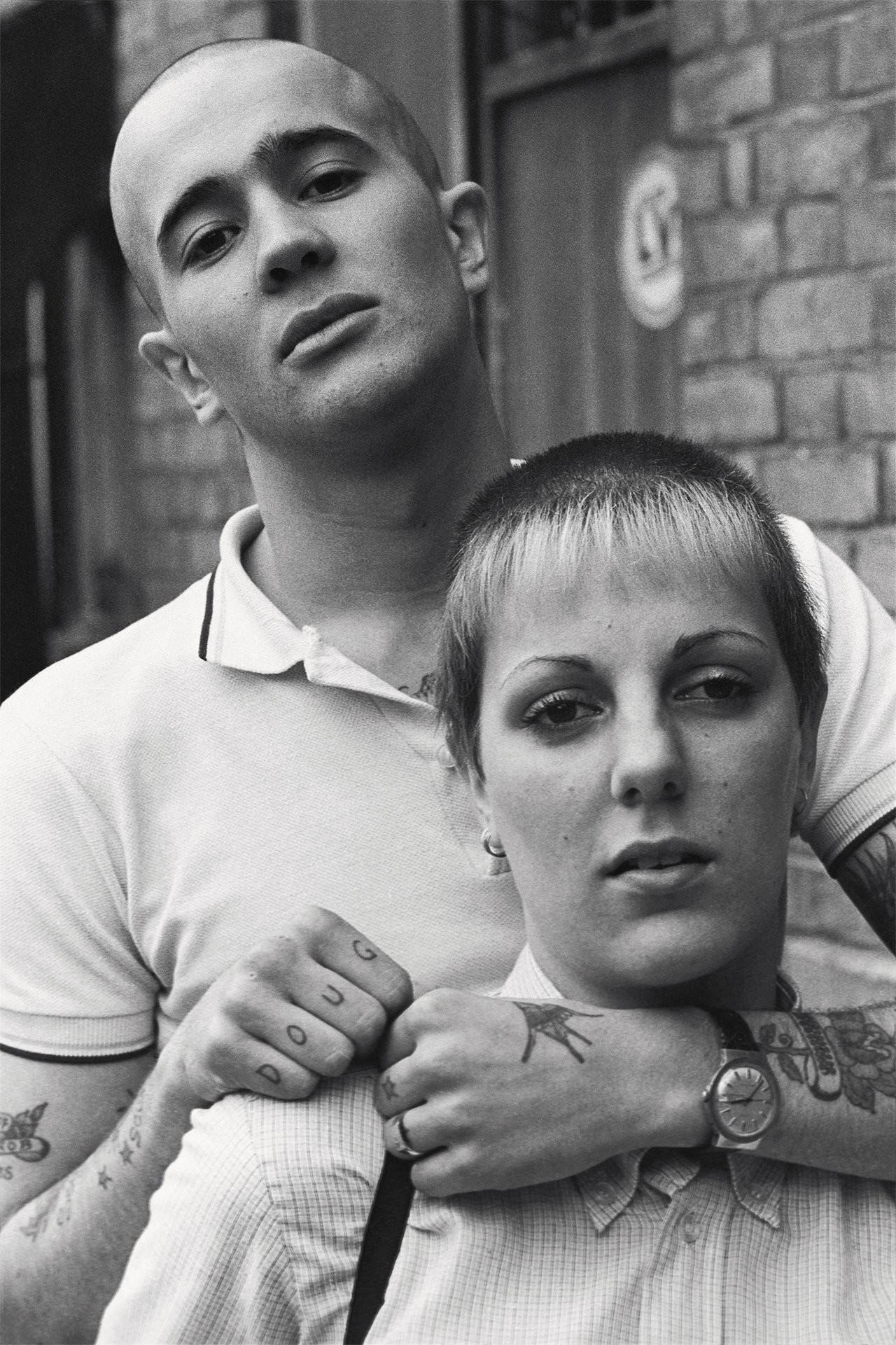
Skinhead, Nick Knight
In the mid-1980s, Nick Knight began a transformative collaboration with Yohji Yamamoto that would become one of the most influential partnerships in the history of fashion image-making. Although Yamamoto had made his Paris runway debut in 1981 and rapidly reached international prominence by the mid-1980s, the collaboration between the designer and Knight was driven by a shared desire to redefine how fashion could be visually interpreted. Knight later noted that many young photographers at the time aspired to work on the Yohji campaign because of the exceptional quality of the garments and the distinctive art direction of Marc Ascoli, whose vision shaped some of the most iconic fashion imagery of that era.
Knight’s earlier project, the 100 Portraits series for i-D magazine, played a crucial role in connecting him with industry figures such as Ascoli and Yamamoto. The series, created to celebrate the fifth anniversary of the magazine in 1985, attracted attention for its unconventional approach to portraiture.
After seeing this work, Ascoli invited Knight to collaborate on a men’s catalogue project, which initially followed the visual spirit of the i-D portraits but gradually evolved into an even more stripped-down and minimal aesthetic. Subsequently, Yamamoto himself encountered the work and requested that Knight photograph the women’s catalogue for the same season. Knight also collaborated with graphic designer Peter Saville on the visual presentation of these catalogues, producing twelve catalogues in total that later became highly influential in redefining fashion imagery.
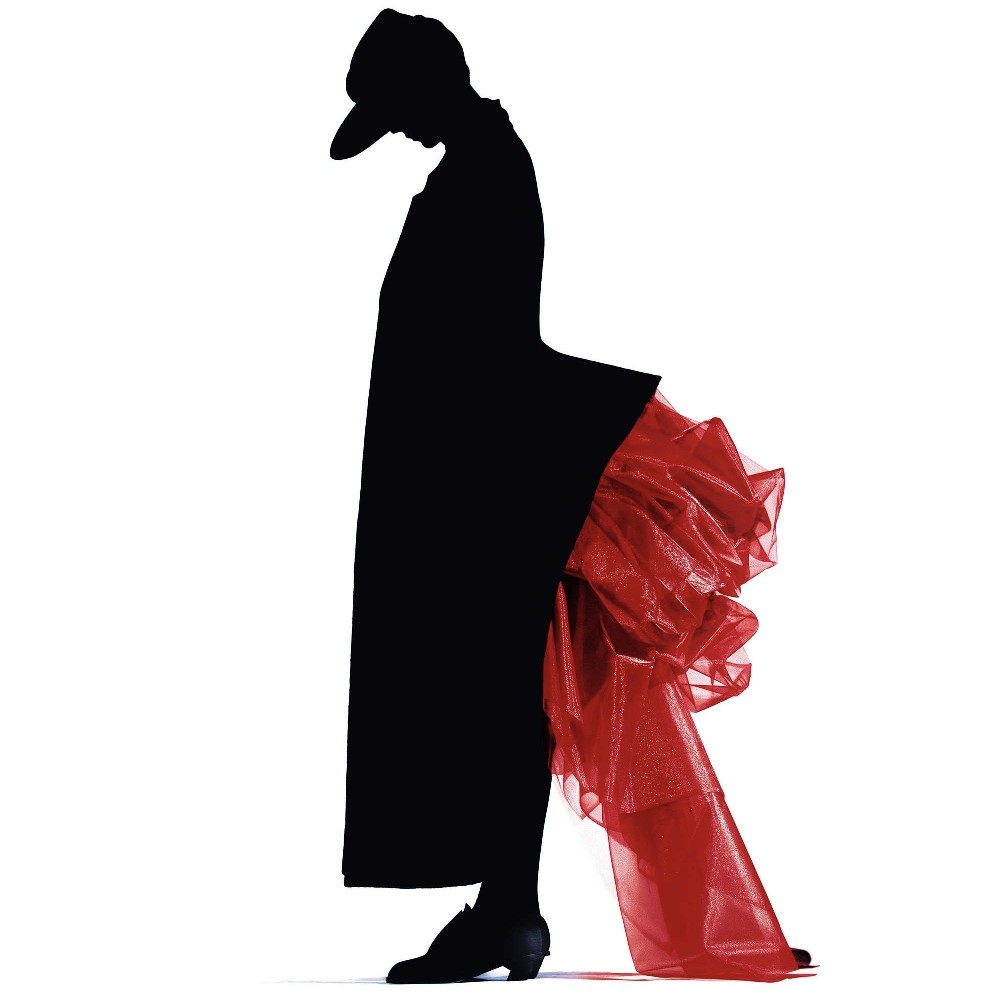
It is important to note that these catalogues were not conventional commercial product presentations. Instead, they functioned as visual manifestations of Yamamoto’s conceptual world. Knight described them as something closer to a printed fashion film than a traditional catalogue. The focus was not on technical garment details such as sleeve length or fabric composition; rather, the brief was abstract and poetic.
Yamamoto’s directive was simple yet profound: “Show me my dreams.” The resulting images translated that request into visual form, presenting fashion as an expression of aspiration, imagination, and emotional atmosphere rather than physical product. Through this collaboration, Knight helped revolutionize fashion imagery by demonstrating that clothing could be communicated through narrative, mood, and conceptual depth rather than conventional commercial display.
Red Bustle, Yohji Yamamoto ,1986
Nick Knight
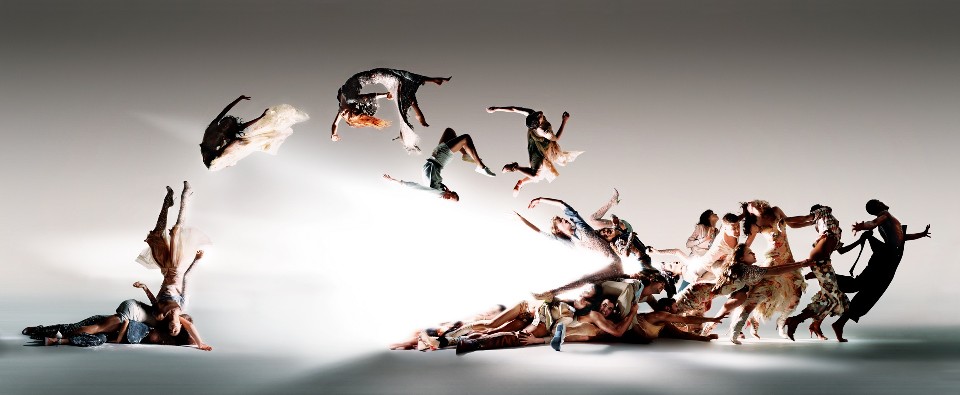
Alexander McQueen, 2015 exhibition
Nick Knight
Knight’s long-standing collaboration with Alexander McQueen throughout the 1990s and 2000s marked a defining chapter in fashion imagery. McQueen’s collections were theatrical, confrontational, and emotionally charged and Knight’s lens amplified that intensity.
In editorial spreads and campaign work, he embraced digital manipulation early on, distorting silhouettes, softening or sharpening textures, and creating dreamlike atmospheres that felt suspended between beauty and discomfort. His lighting was sculptural; skin often appeared luminous yet fragile.
What set these images apart was their psychological depth. Women were not passive muses; they appeared mythic, haunted, powerful, or alien. Knight and McQueen together rejected sanitized perfection and instead celebrated tension vulnerability intertwined with dominance. Their work fundamentally shifted the emotional register of fashion photography.
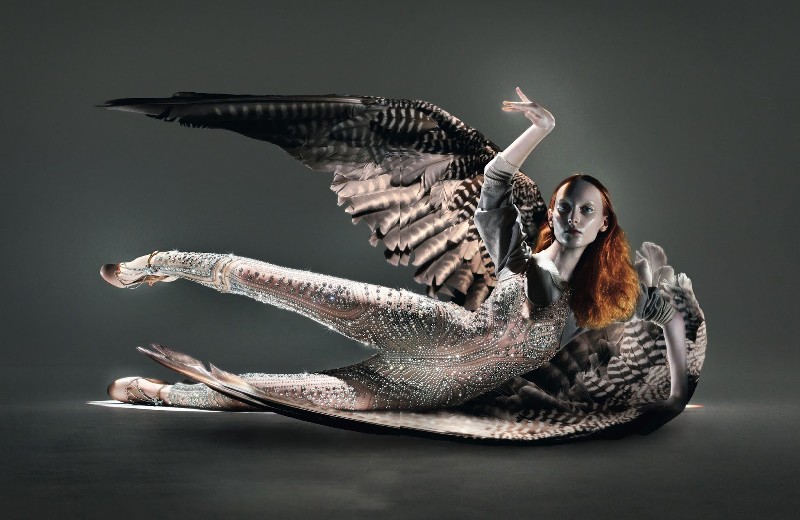
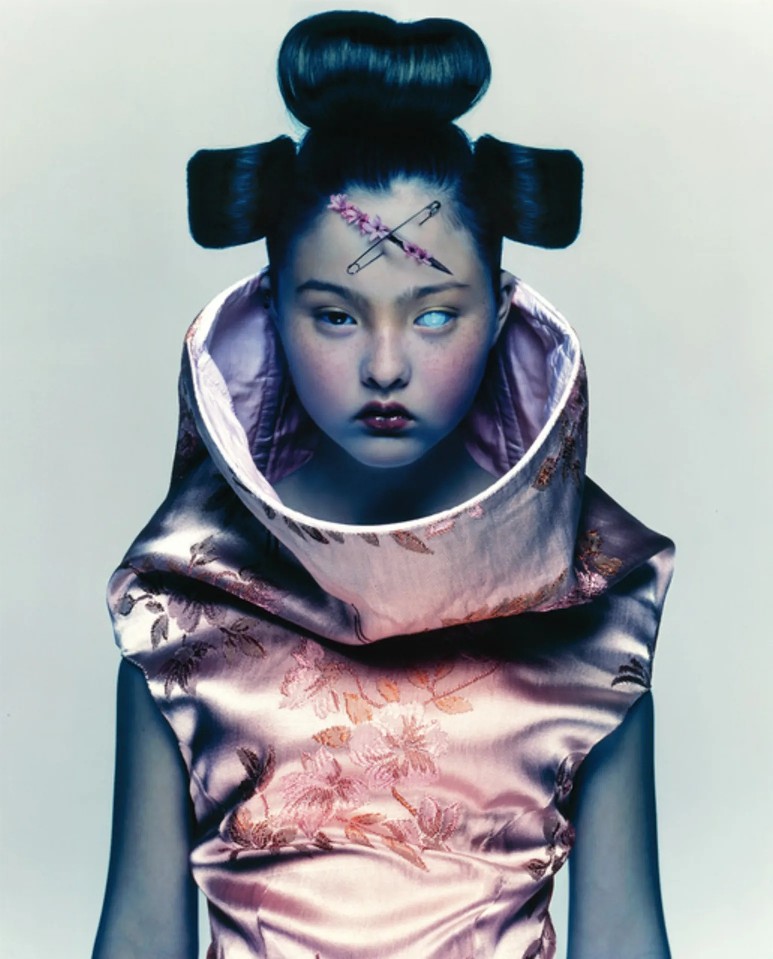
Alexander McQueen, 2015
Alexander McQueen, 1997
Nick Knight
In 2001, Knight directed the music video for Pagan Poetry by Björk. The video remains one of his most discussed works. Shot with miniature cameras some reportedly attached close to the body the film created an unprecedented sense of intimacy.
The imagery blurred boundaries between vulnerability and strength. Close-ups of skin, piercings, breath, and texture transformed the body into a poetic landscape. It was raw without being exploitative; erotic without being conventional.
At a time when music videos were increasingly polished and hyper-produced, Knight’s direction felt deeply personal and confrontational. He reframed the female body as an autonomous expressive surface not an object, but a site of emotional authorship.
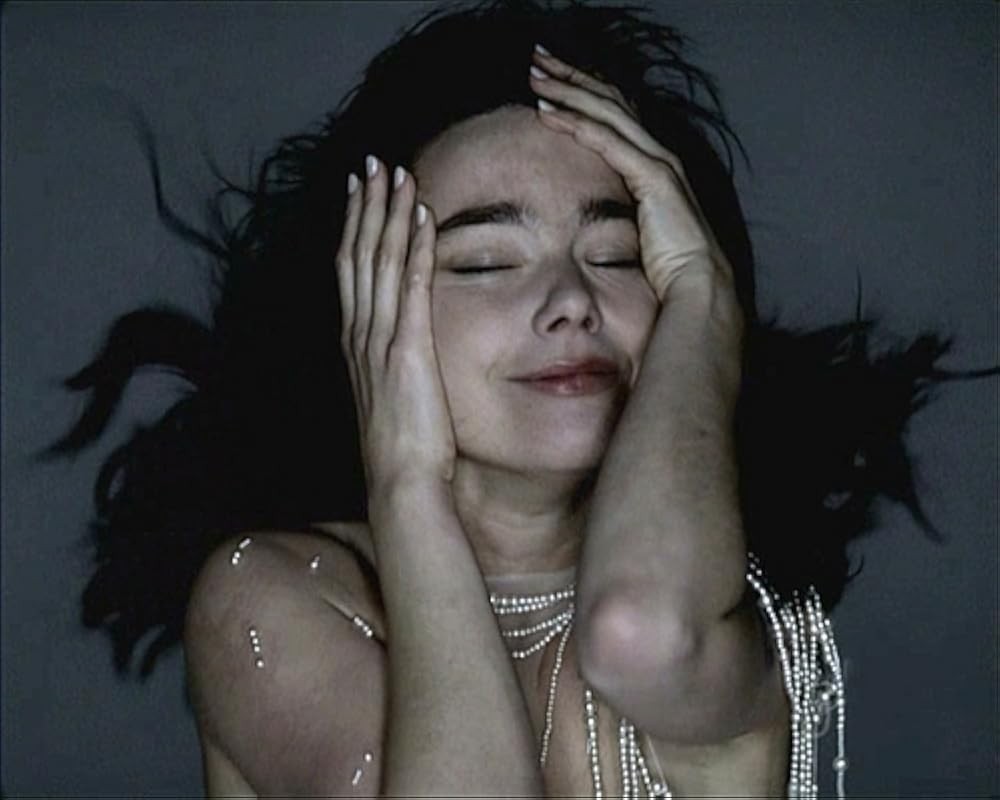
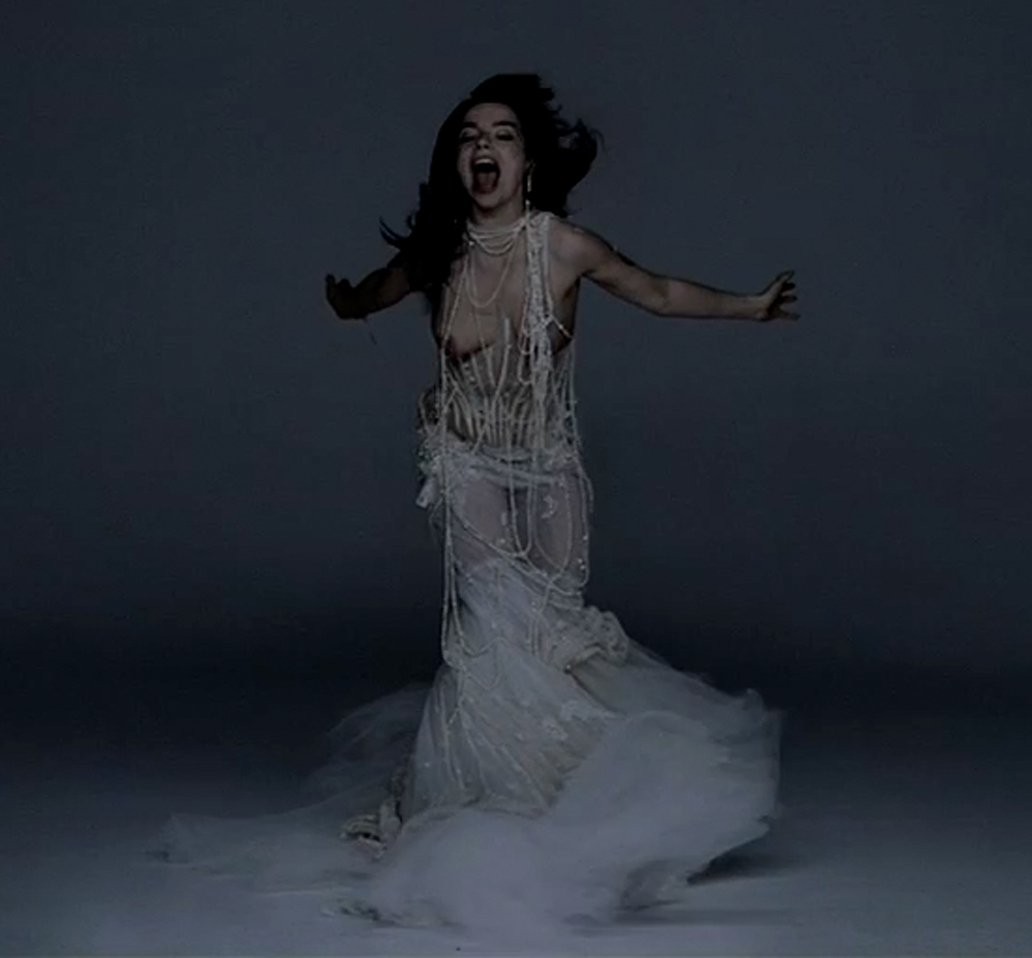
Bjork Pagan Poetry, 2001
Nick Knight
In 2000, Knight founded SHOWstudio, a groundbreaking online platform dedicated to fashion film and live creative processes. This was years before Instagram, before YouTube became dominant, before live-streaming was normal.
SHOWstudio’s radical idea was transparency. Instead of presenting only the finished image, it broadcast the act of creation photoshoots streamed live, designers interviewed mid-process, experiments documented in real time. Knight dismantled the mystique of fashion production and replaced it with intellectual accessibility.
Through SHOWstudio, he also embraced emerging technologies from high-resolution digital photography to early explorations of 3D and virtual imagery. The platform positioned fashion within the broader digital conversation, effectively anticipating how the industry would evolve in the 2010s and beyond.
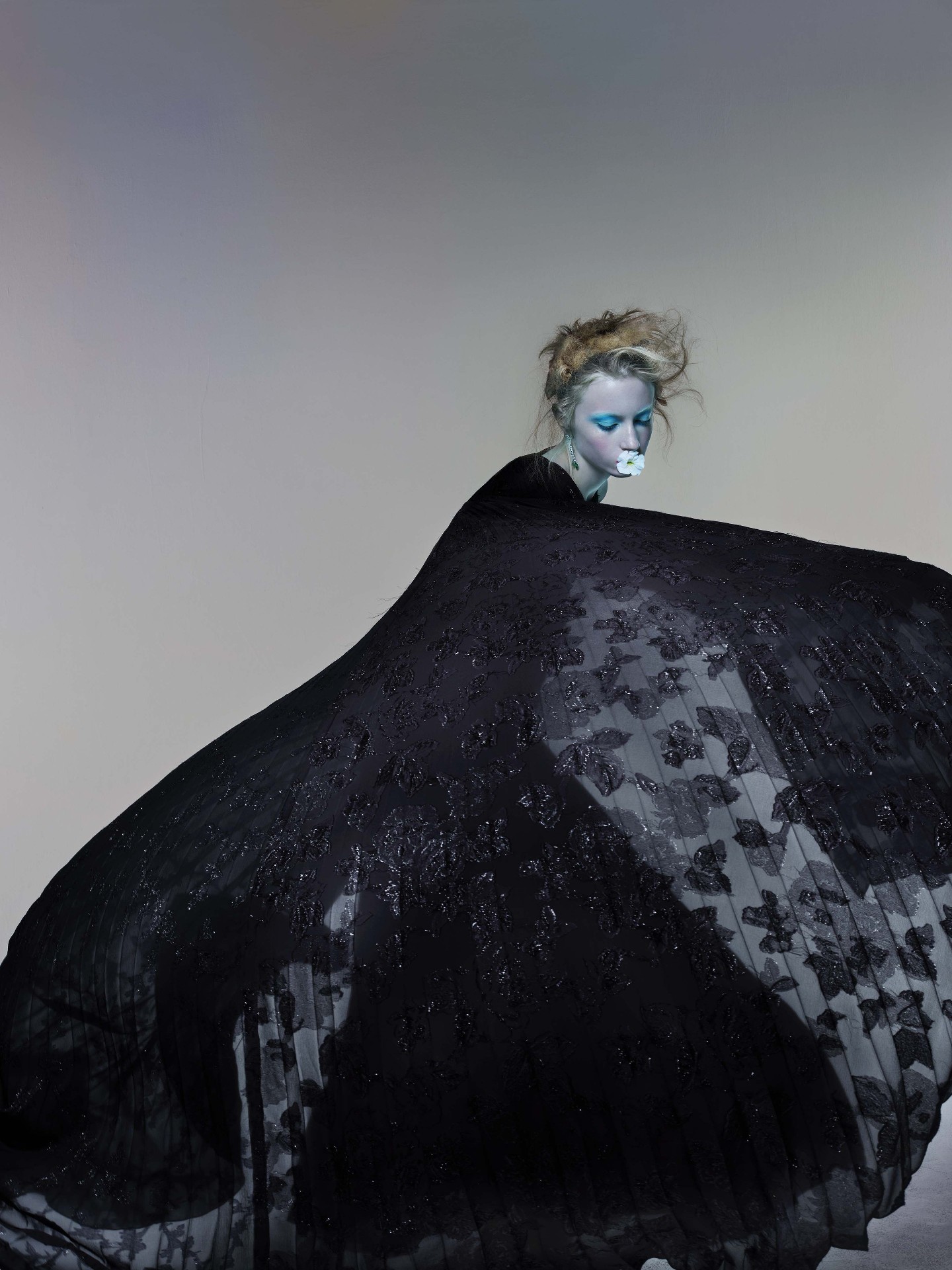
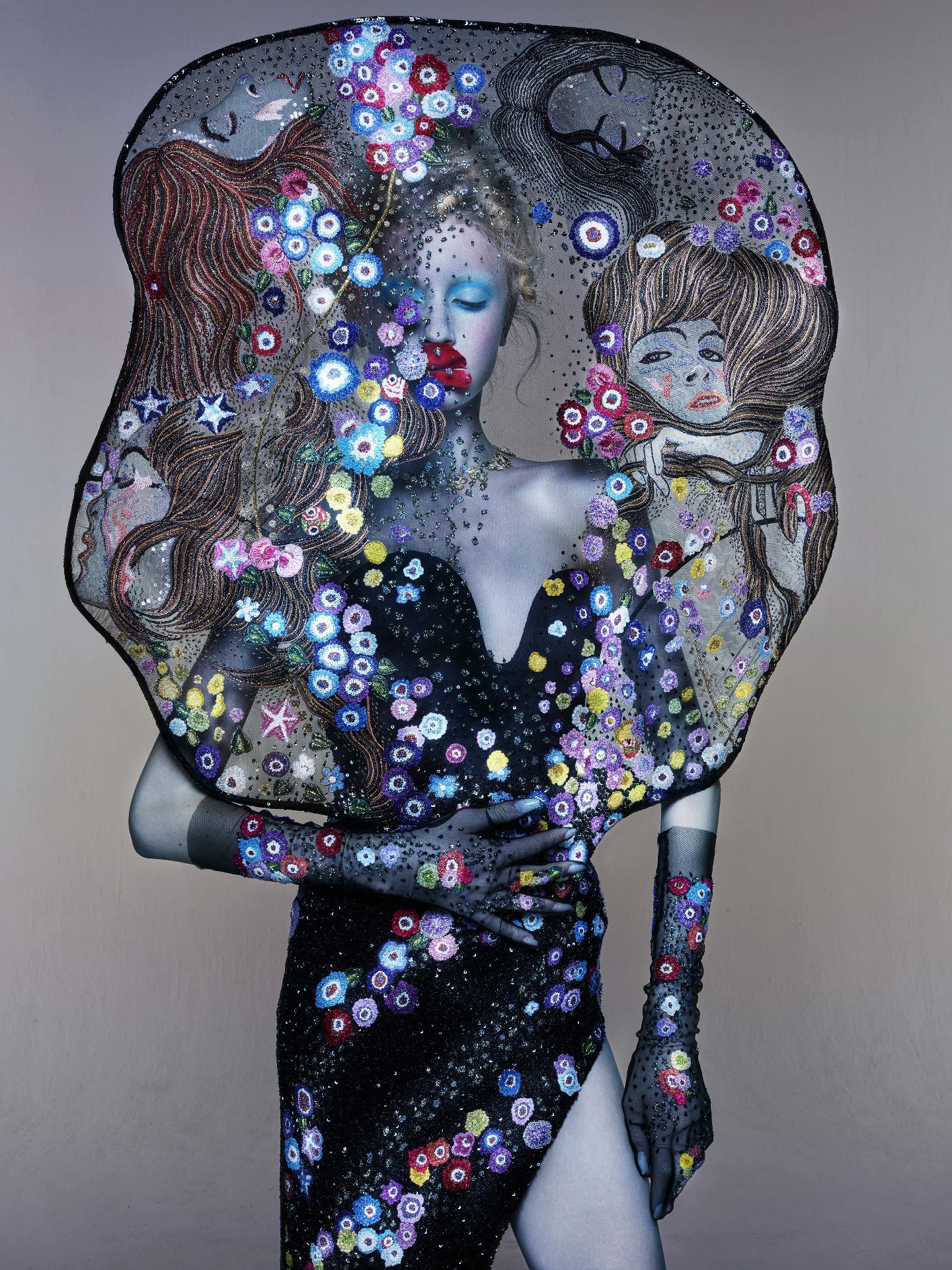
Kai wears cape and dress: Dolce&Gabbana, Kai wears jewellery: Cartier
Kai wears dress and gloves: Rahul Mishra, Kai wears jewellery: Buccelati
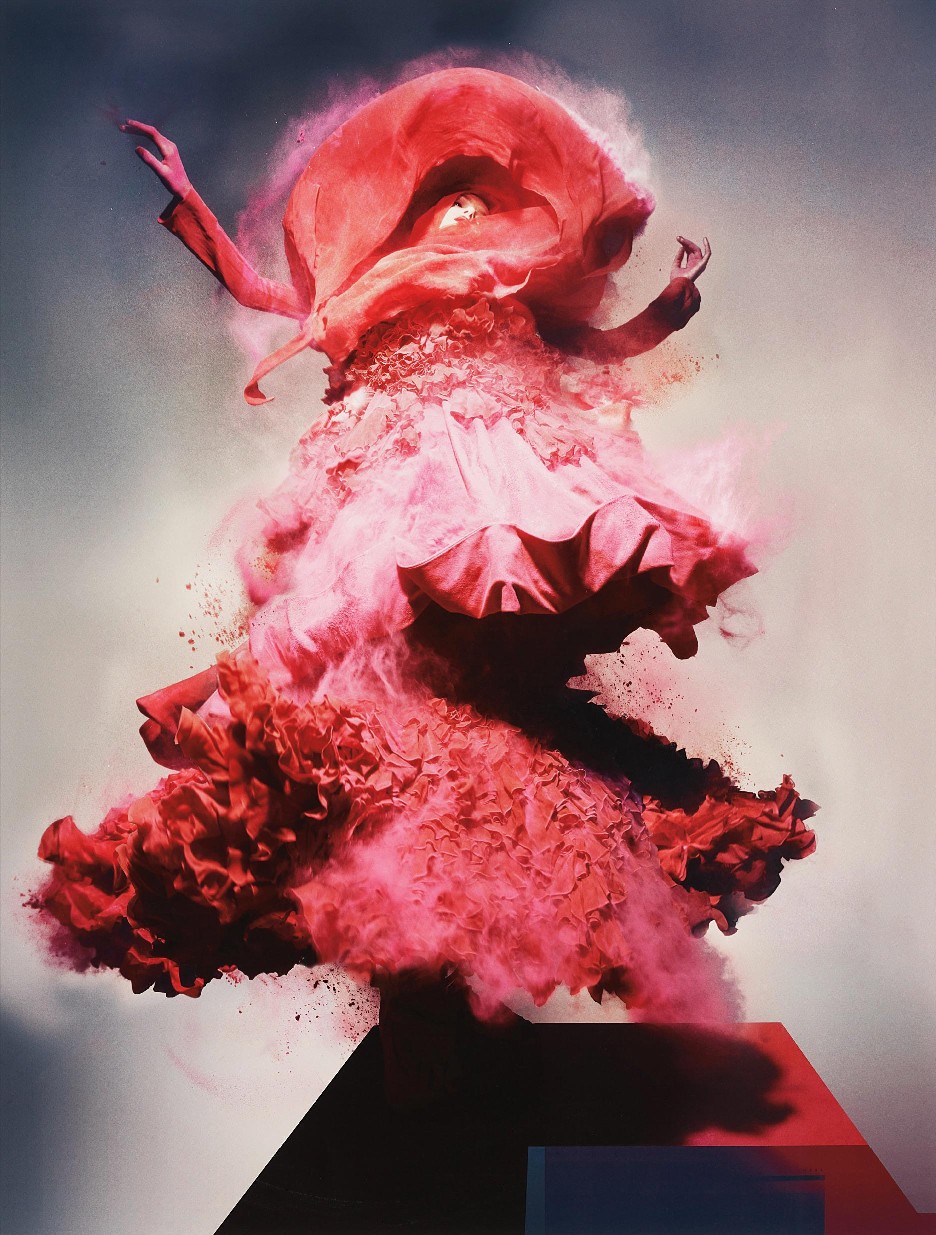
Lily, Hand-coated pigment print, flush-mounted, 2008
During the Born This Way period in 2011, Knight collaborated extensively with Lady Gaga, creating imagery that amplified themes of transformation and constructed identity.
Here, Knight leaned fully into digital manipulation, elongating limbs, exaggerating textures, creating hyperreal skin surfaces. Rather than hiding artifice, he celebrated it. The images were unapologetically synthetic, confronting viewers with the idea that identity itself can be designed, performed, and technologically mediated.
This era reinforced Knight’s long-standing argument: fashion imagery is not about documenting reality it is about constructing new ones.
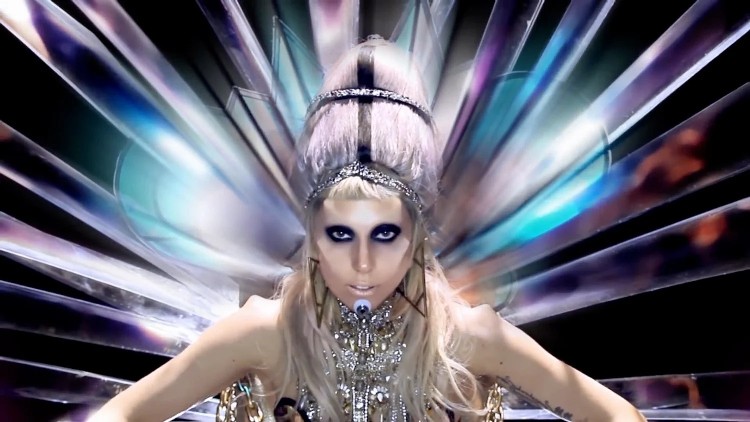
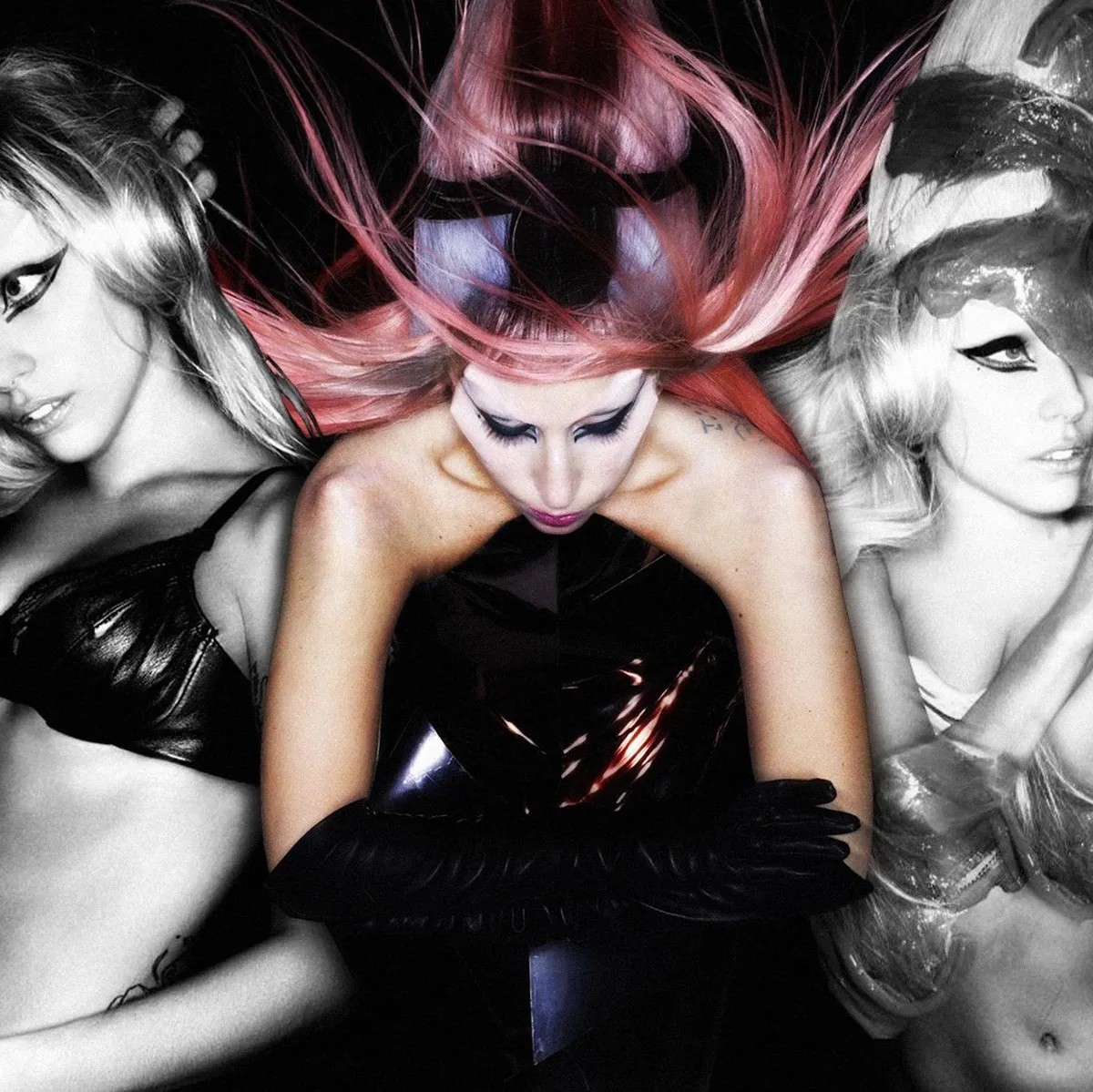
Lady Gaga, Born This Way, 2011
Nick Knight
Throughout his career, Nick Knight has been widely recognized as one of the most influential image-makers in contemporary fashion and visual culture. In 2010, he was appointed Officer of the Order of the British Empire (OBE) for his services to photography and the creative industries, and later, in 2024, he received the Commander of the Order of the British Empire (CBE), reflecting the long-term cultural impact of his work on British art and design. These honors positioned him not merely as a commercial fashion photographer but as a cultural figure whose work bridges art, technology, and media innovation.
Knight’s exhibition history spans some of the most prestigious art institutions in the world. His work has been shown at venues such as the Victoria and Albert Museum, the Saatchi Gallery, and the The Metropolitan Museum of Art, where his fashion imagery was presented within broader discussions of visual culture and contemporary aesthetics. He also received recognition at photography events such as Photo London, where he was awarded the title of Master of Photography, celebrating his pioneering role in modern image-making.

Over more than four decades, Nick Knight has redefined the boundaries of fashion photography and fashion film by merging artistic experimentation with technological innovation. His practice demonstrates that fashion imagery can function as a cultural language rather than merely a commercial medium. By challenging conventional beauty standards, embracing digital transformation, and foregrounding process alongside product, he helped shape the visual identity of contemporary fashion in the twenty-first century. Knight’s legacy is not limited to the images he created; it lies in transforming fashion image-making, across photography, film, and digital media, into a dynamic field where art, technology, and cultural discourse coexist.
This article is an original editorial analysis produced by [DIBA magazine]
Research and references are used for contextual accuracy.
