
|
Subscribe to our Newsletter
Step into the world of Ruth Hogben, where fashion moves, breathes, and tells its own story. With every frame, she transforms luxury garments into living narratives, blending cinematic vision with editorial sophistication. Her films and photography don’t just show fashion, they reveal mood, identity, and the subtle poetry hidden in fabric, light, and movement.
By the Editorial Staff

Photo: ruthhogben.com
In the ever‑shifting landscape of fashion imagery, where photography once reigned as the dominant language of style and aspiration, the emergence of fashion film has created a new visual frontier. At the forefront of this movement stands Ruth Hogben, a director whose work has helped redefine how fashion is seen, experienced, and understood. More than mere commercial assets, Hogben’s films are immersive visual environments in which movement, costume, body, sound, and cinematic form interact to construct meaning. Her work exists at the intersection of fashion, performance, and cinema, a site where clothing is not just displayed, but alive.
Born in London in 1982, Hogben’s trajectory into fashion film was shaped early by her education at Central Saint Martins, one of the world’s most influential art and design schools, known for producing visionary creative voices. After graduating, she entered the world of fashion imagery through a formative period working with the pioneering platform SHOWstudio, founded by Nick Knight. SHOWstudio was itself emblematic of fashion’s digital transformation: a space where fashion was broadcast live, documented as process, and presented as experimental visual narrative rather than staged stills. Within this fertile environment, Hogben began to develop a visual language that rejected traditional marketing tropes and embraced cinematic exploration.
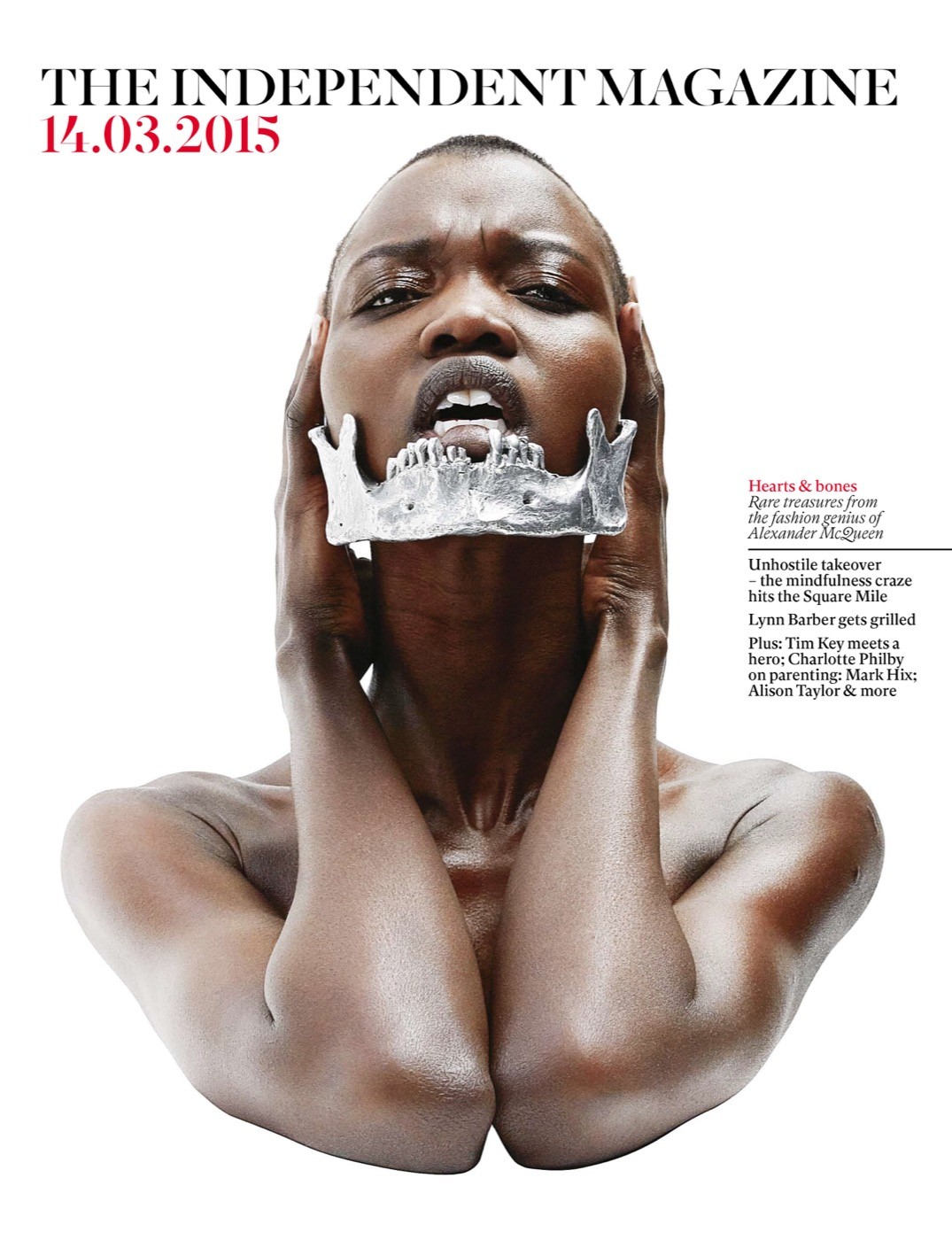
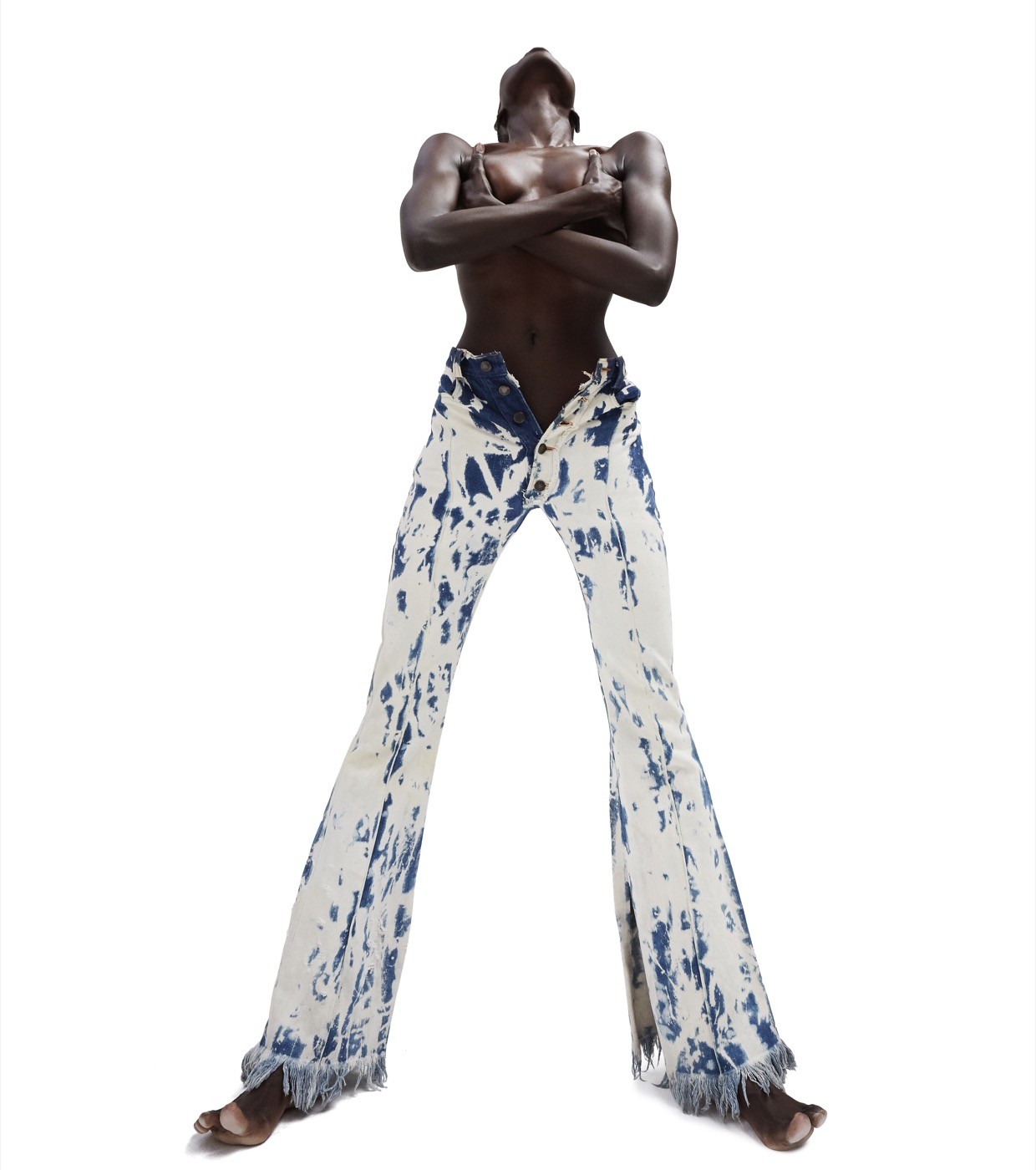
Photo: ruthhogben.com
Early in her career, Hogben encountered the limitations of static fashion imagery. Traditional editorial spreads and campaign photography, while beautiful, tended to isolate clothing from the contexts, emotional, cultural, and performative, that give it layered meaning. Hogben’s breakthrough insight was to treat fashion not as product but as performance, a dynamic interplay between body, movement, and space.
In her films, movement is not an add‑on; it is the core expressive element. Instead of lingering on garment details in isolation, Hogben often frames movement itself as the narrative vector. Limbs stretch, costumes cascade, bodies turn, and lighting sculpts motion through space, all producing meaning that transcends description. This approach aligns her work more closely with dance cinema or performance art than with conventional advertising. The body is not a passive surface but a site of expression; clothing, in turn, becomes an extension of gesture and presence rather than a mere object of consumption.
Hogben’s aesthetic often embraces contrasts, soft yet sharp lighting, minimal yet sculptural compositions, moments of stillness within fluid motion, creating a sensibility that feels both controlled and affectively open. Her films tend to avoid linear storytelling, instead unfolding like visual poems in which light, rhythm, and texture operate as narrative devices.
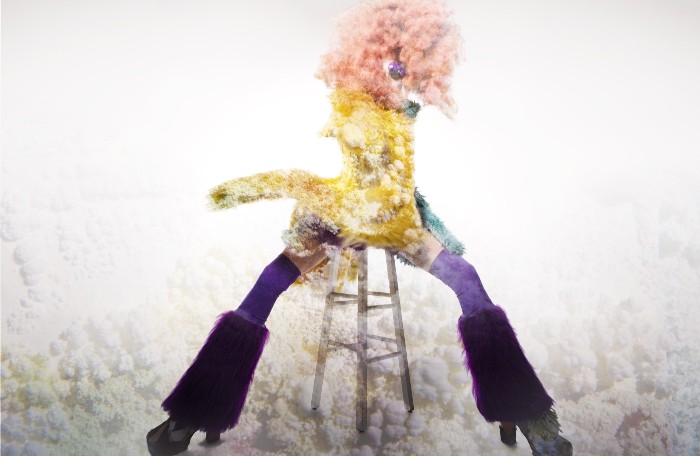
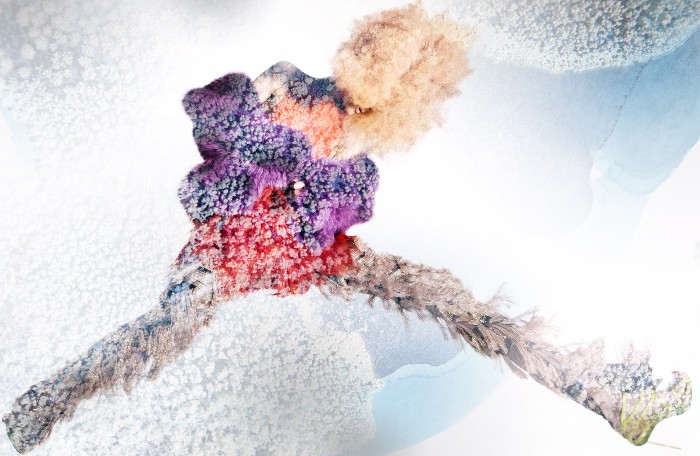
Photo: ruthhogben.com
Much of Hogben’s early recognition came through collaborations with avant‑garde designers whose own work challenged fashion’s mainstream grammar. Most notable among these is her long‑term relationship with Gareth Pugh, a British designer known for his sculptural, often theatrical collections. Rather than simply documenting Pugh’s garments, Hogben’s films for his seasonal presentations turned fashion displays into immersive cinematic experiences.
In these works, models do not walk through space; they inhabit it. They move in controlled fields of light and shadow, their gestures punctuated by sound and space. Clothing in Hogben’s Pugh films is kinetic architecture, responding to the motion of the body and the rhythm of the score. In this context, fashion becomes performance, and film becomes choreography.
This approach contrasts sharply with how most fashion campaigns operate, where stillness and idealized poses dominate. Hogben reframed fashion film as an active encounter: how attire intersects with life in motion, not how it hangs on a wall or a mannequin. These films were featured on SHOWstudio, historically one of the few platforms committed to elevating fashion film as an independent art form, and influenced how multiple designers began to think about releasing collections.
Beyond Pugh, Hogben has worked with established luxury houses including Louis Vuitton, Dior, and Fendi, embedding her visual signature into campaigns and editorial films that foreground movement over stillness, emotion over strict commercial messaging.
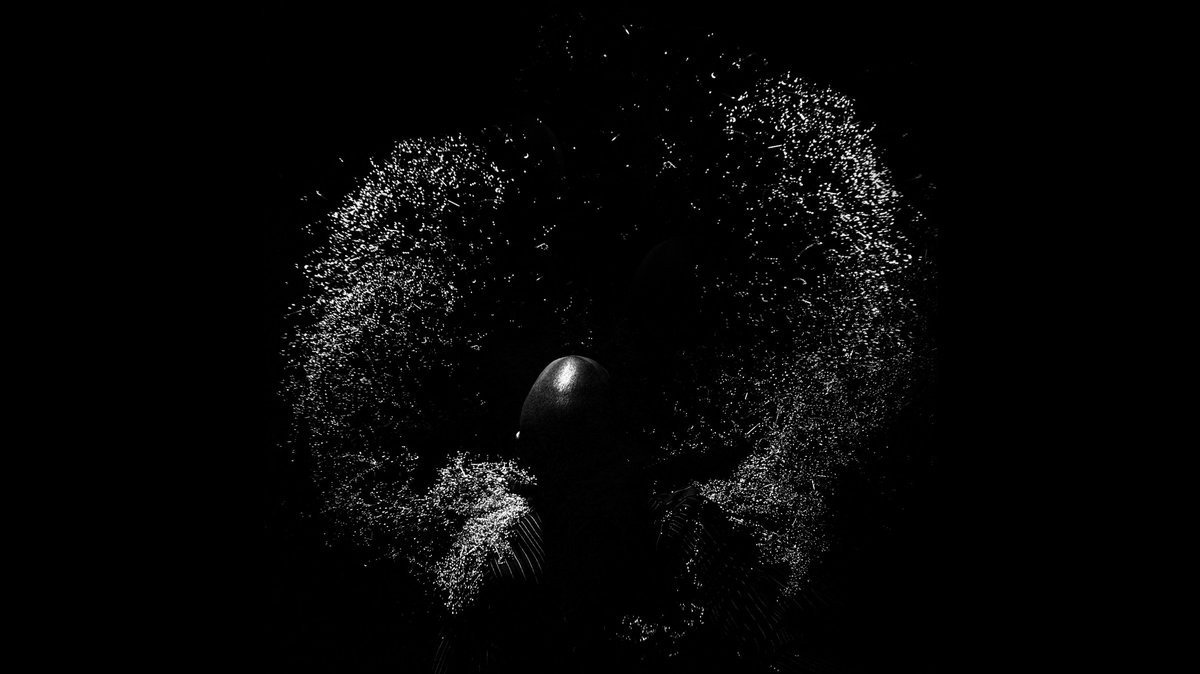
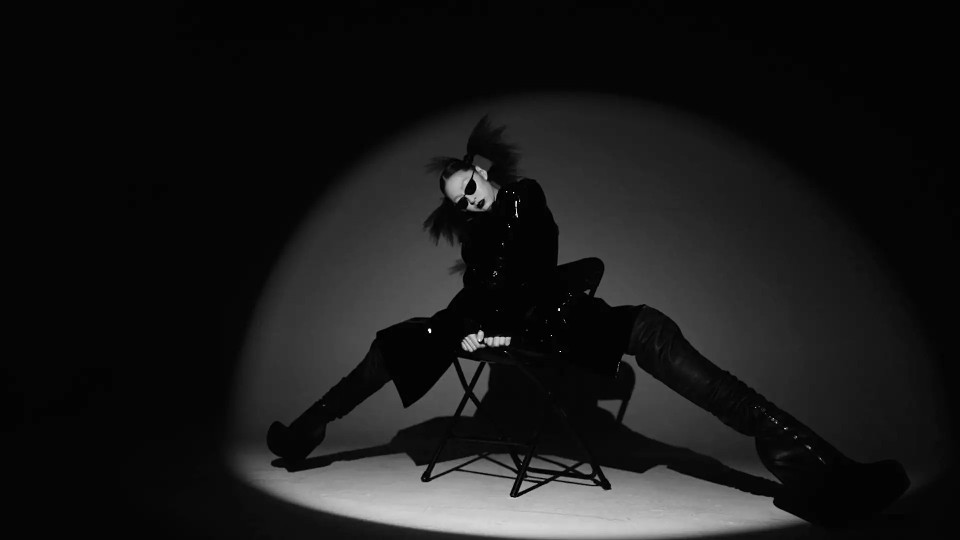
Fashion Film: Pins and Needles, By Ruth Hogben and Bart Hess, 2013
Photo: showstudio.com
Ruth Hogben for Gareth Pugh
Hogben’s engagement with music and pop culture has further expanded her visual repertoire. One of her most high‑profile collaborations has been with Lady Gaga, an artist whose own practice challenges norms of performance and identity. Together, they have shaped visual worlds that merge fashion, film, and live spectacle, producing visuals for major cultural moments such as the Grammy Awards, Academy Awards, and the Super Bowl.
In this work, Hogben’s approach remains consistent: costume is inseparable from movement, and movement is inseparable from meaning. Rather than reducing fashion to accessory, these films explore how attire becomes part of the body’s choreography, shaping and reflecting persona in motion. In collaborations with performers like FKA twigs, she employs digital manipulation and mirrored imagery to build sequences where choreography acts as narrative itself. The body, costume, light, and sound converge to create an emotional resonance, one that communicates through rhythm and motion rather than didactic dialogue.
This fusion of fashion, dance, and film situates Hogben’s work within a broader cultural conversation about identity and performance, extending fashion film beyond commerce into artistic territory.
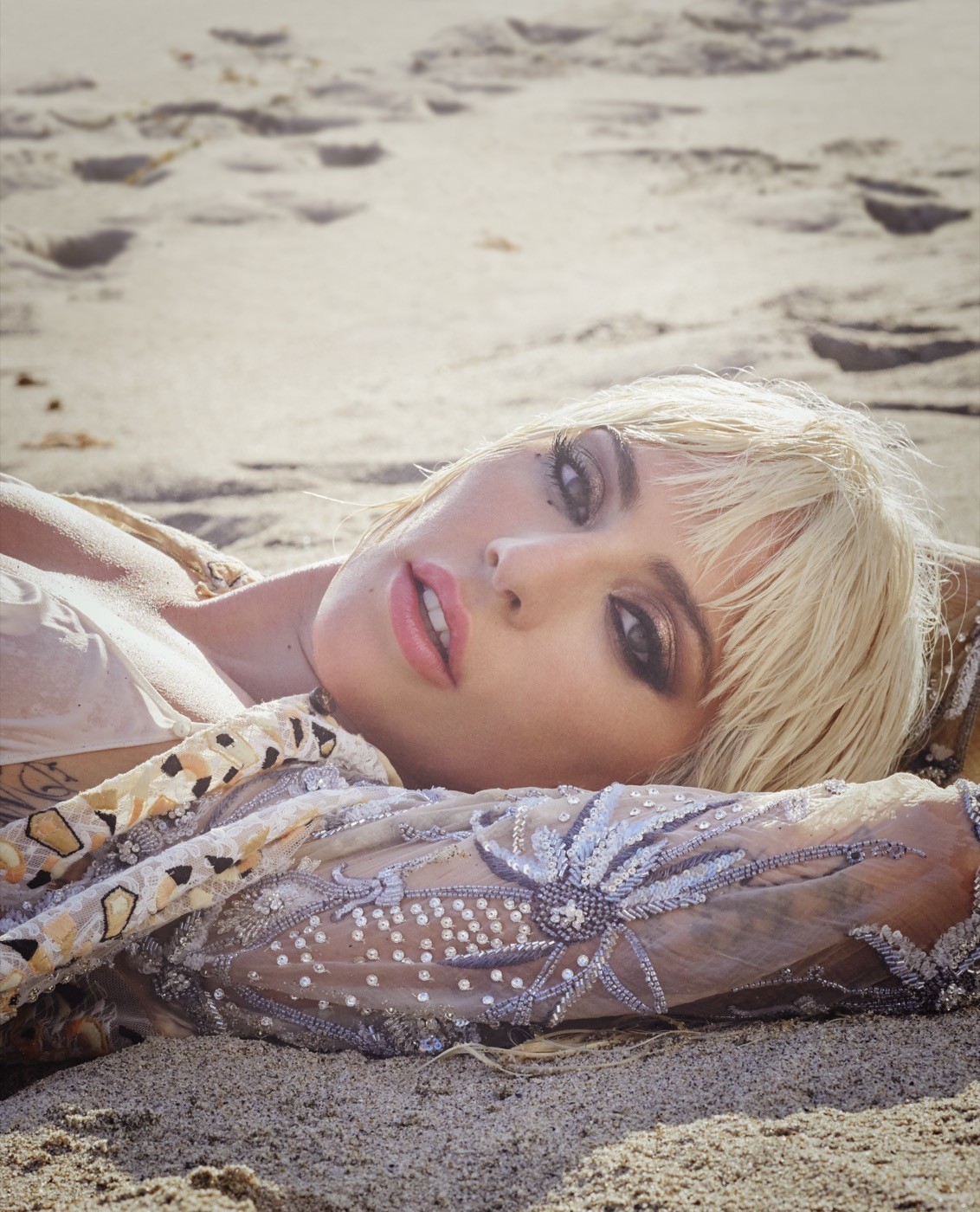
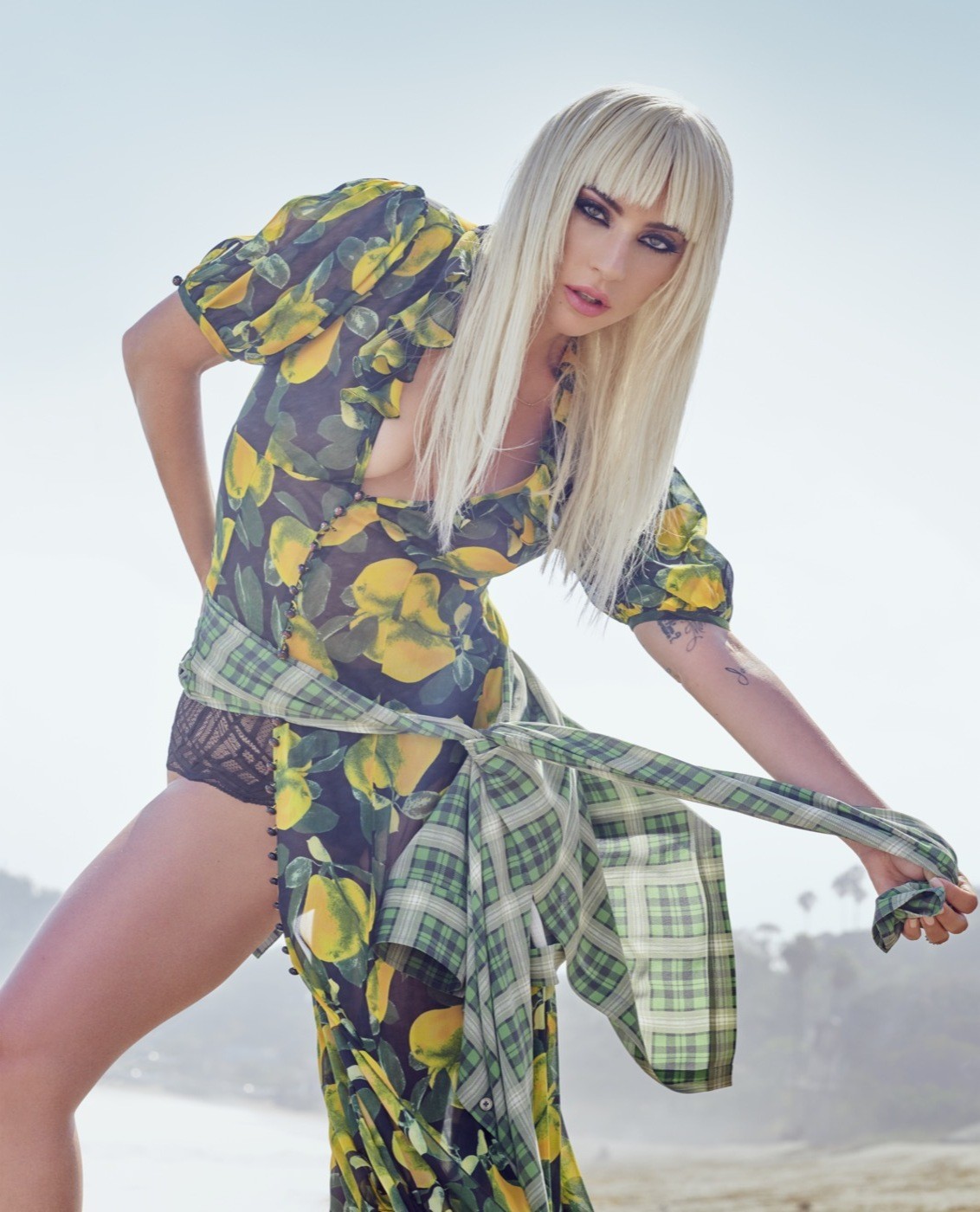
Ruth Hogben x Lady Gaga
Hogben’s work has not been confined to brand platforms and online showcases; it has also been presented in institutional and festival contexts that underscore the artistic value of fashion film. Screenings at ASVOFF and similar curated spaces have positioned her work alongside experimental cinema and contemporary art. These platforms have allowed Hogben’s films to be considered not just as marketing tools, but as part of a broader visual culture dialogue, one that intersects with performance art, digital media, and cinematic form.
By pushing fashion film into these arenas, Hogben has helped shift critical attention away from purely commercial metrics toward aesthetic and conceptual evaluation. Her films are not commentary on clothing alone; they are commentary on perception, embodiment, and visual experience.
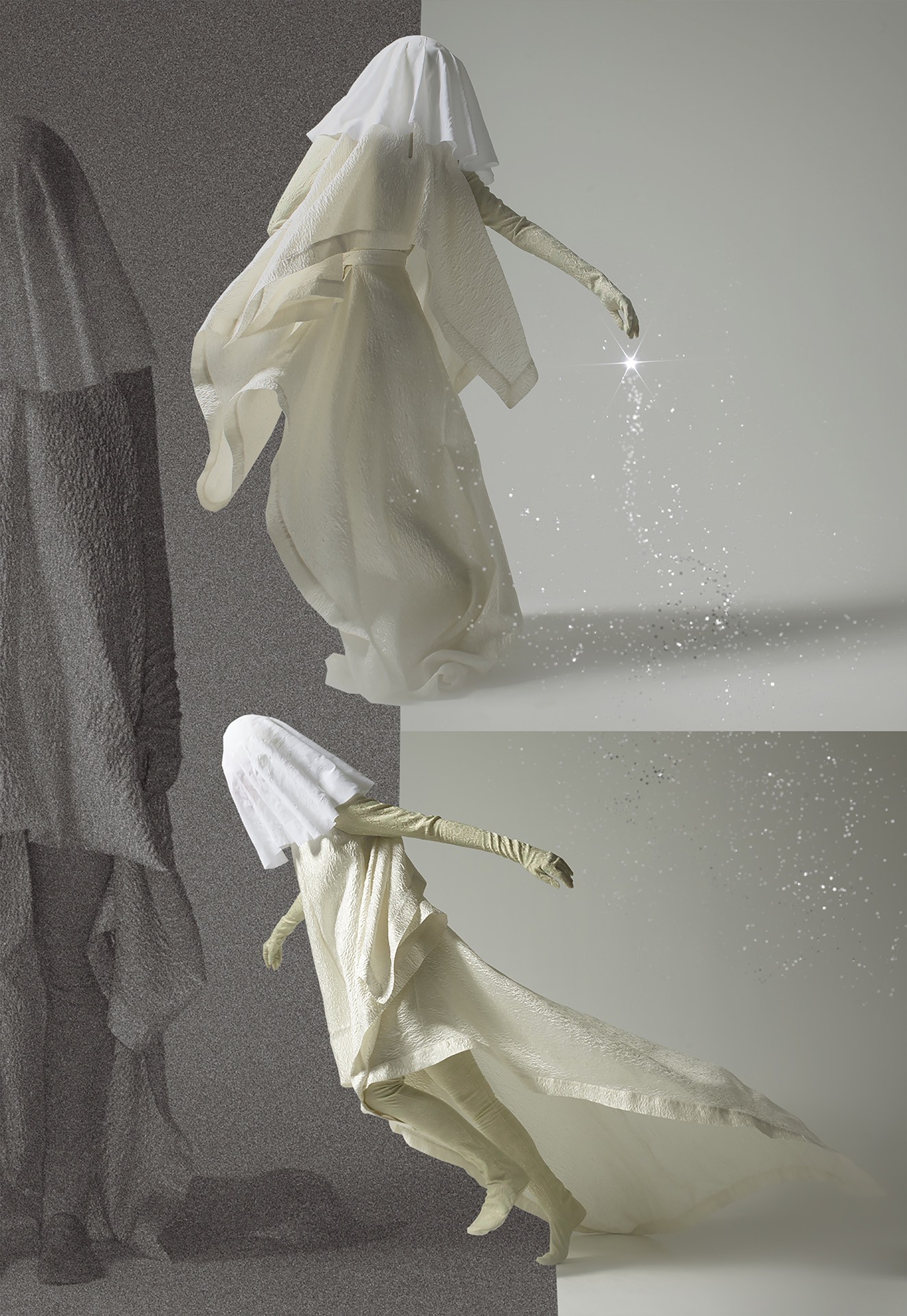
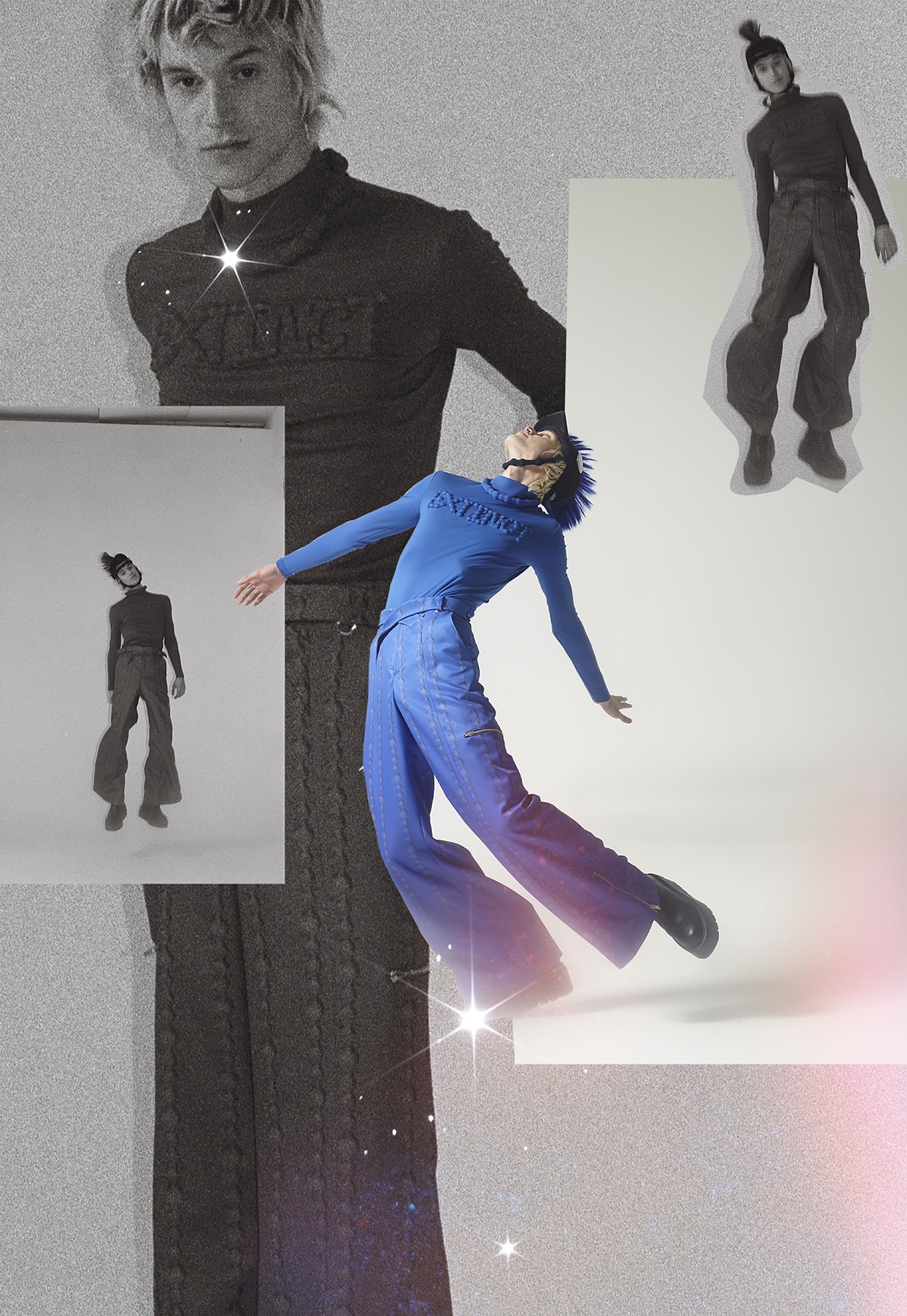
Photo: ruthhogben.com
What distinguishes Hogben within the contemporary fashion ecosystem is her ability to treat the moving image as a conversational medium, one that speaks in rhythm, gesture, and atmospheric presence. In her films, clothing becomes something felt rather than merely seen, with motion serving as the grammar of expression. This approach has influenced how designers, artists, and directors conceive of fashion film today: not as an add‑on to photography, but as a stand‑alone art form capable of intellectual and emotional depth.
Rather than replacing photography, Hogben’s fashion films expand its foundational principles, light, composition, texture, into the temporal dimension. Photography studies form and arrest moment; film explores process, metamorphosis, and ephemerality. By moving outward from stillness into motion, Hogben has helped fashion imagery evolve into a dynamic narrative language in which body, costume, and movement co‑create meaning.
In an era where attention is fragmented and visual culture is increasingly defined by motion, Ruth Hogben stands as one of the most compelling voices in fashion film. Her work demonstrates that fashion cinema is not a luxury detour, but a central articulation of how clothes, bodies, and images together shape our understanding of identity, culture, and beauty.
This article is an original editorial analysis produced by [DIBA magazine]
Research and references are used for contextual accuracy.
