
|
Subscribe to our Newsletter
Photographer Elizaveta Porodina reimagines jewelry photography through her campaign for David Webb, using cinematic lighting, sculptural composition, and psychological atmosphere to transform jewelry into visual narrative.
By the Editorial Staff
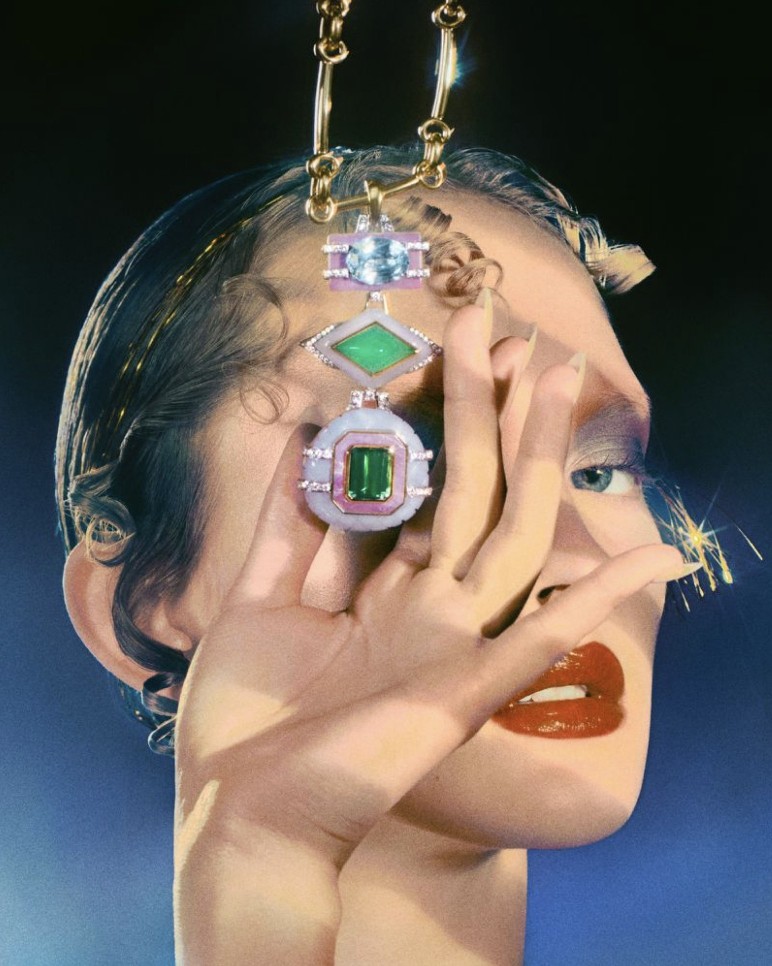
Photo: Elizaveta Porodina
In contemporary jewelry campaigns, the photograph is no longer a neutral record of an object. It is a stage where material, identity, and atmosphere converge. In her collaboration with the American jewelry house David Webb, photographer Elizaveta Porodina approaches jewelry not merely as adornment but as a visual protagonist, an element that shapes the emotional and symbolic tone of the image.
For the December 2025 campaign, Porodina photographed key pieces from the brand’s Totem Collection, worn by model Viktoria Wirs. Under the creative direction of Jaclyn Bloomfield, with hair by Shingo Shibata and makeup by Kanako Takase, the images move beyond traditional luxury product photography. Instead of isolating the jewels in pristine studio environments, Porodina situates them within a more expressive visual language, one defined by dramatic lighting, sculptural composition, and subtle psychological tension.
Porodina is widely known for her ability to construct images that sit somewhere between fashion photography and visual art. Her aesthetic frequently incorporates saturated color palettes, cinematic contrasts, and layered compositions that transform the photograph into an immersive environment rather than a simple frame. Within this visual context, the jewelry becomes a focal point that interacts with the body and the surrounding space.
This approach is particularly effective for photographing David Webb pieces, which are inherently sculptural. The house is known for bold gold structures, vivid enamel surfaces, and designs inspired by global cultures and mythic symbolism. Porodina’s camera emphasizes these qualities by treating the jewels almost like miniature sculptures. Close framing and carefully directed light highlight textures, polished gold catching sharp reflections, enamel surfaces absorbing color, gemstones punctuating the composition with flashes of luminosity.
Equally important is the relationship between the jewelry and the model. In Porodina’s imagery, the body is not simply a display platform but an expressive component of the photograph. Gestures, posture, and gaze are orchestrated to echo the shapes and rhythm of the jewelry itself. A bracelet may curve along the arm like a continuation of movement, while a necklace anchors the visual structure of the portrait.
Another defining element of Porodina’s work is her interest in psychological atmosphere. Before becoming a photographer, she studied psychology, and traces of this background appear in her visual storytelling. Her portraits often feel introspective, slightly enigmatic, as if the subject occupies a private emotional space. When jewelry enters this atmosphere, it becomes more than ornament, it becomes part of a character’s identity within the image.
In the Totem Collection campaign, this sensibility creates a subtle dialogue between object and symbolism. Totems historically function as cultural markers, representing identity, ancestry, or spiritual meaning. Porodina’s imagery reflects this idea by framing the jewels as talismanic forms rather than purely decorative objects.
The result is a series of images where jewelry participates in narrative rather than simply illustrating luxury. Light, color, and composition construct a visual environment in which the pieces appear almost mythic, objects that carry presence, history, and emotion.
In an era where luxury brands communicate primarily through images circulating across digital platforms, this type of photographic interpretation becomes increasingly important. Jewelry must capture attention instantly while also conveying depth and identity. Through her collaboration with David Webb, Elizaveta Porodina demonstrates how contemporary fashion photography can elevate jewelry from product to visual storytelling, transforming precious objects into images that linger in the viewer’s imagination.
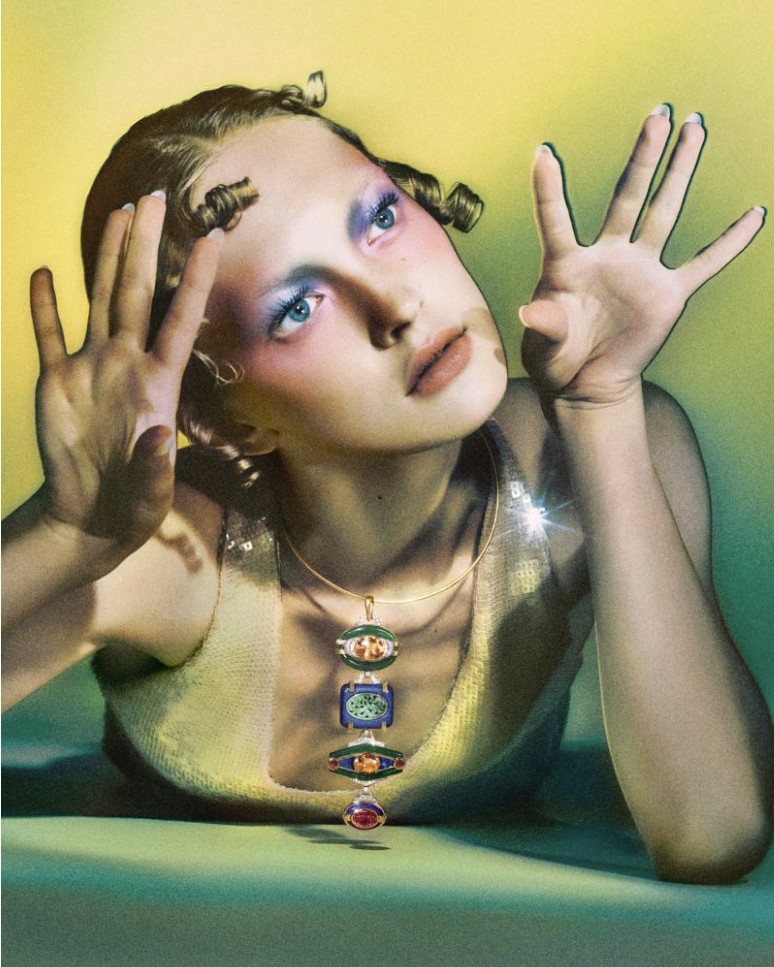
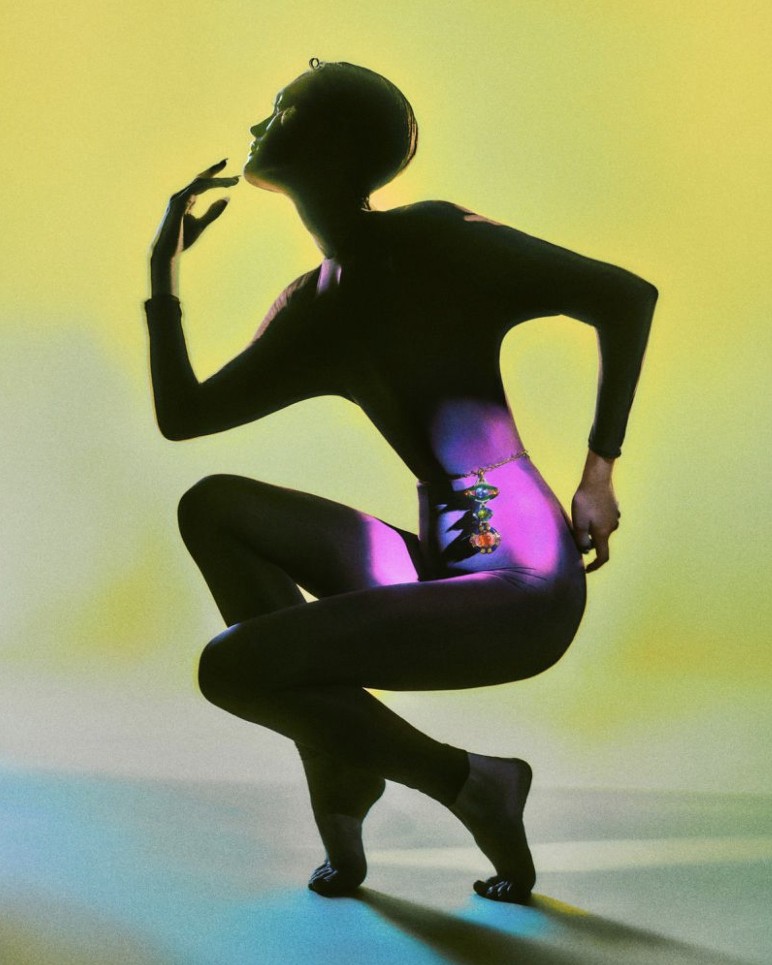
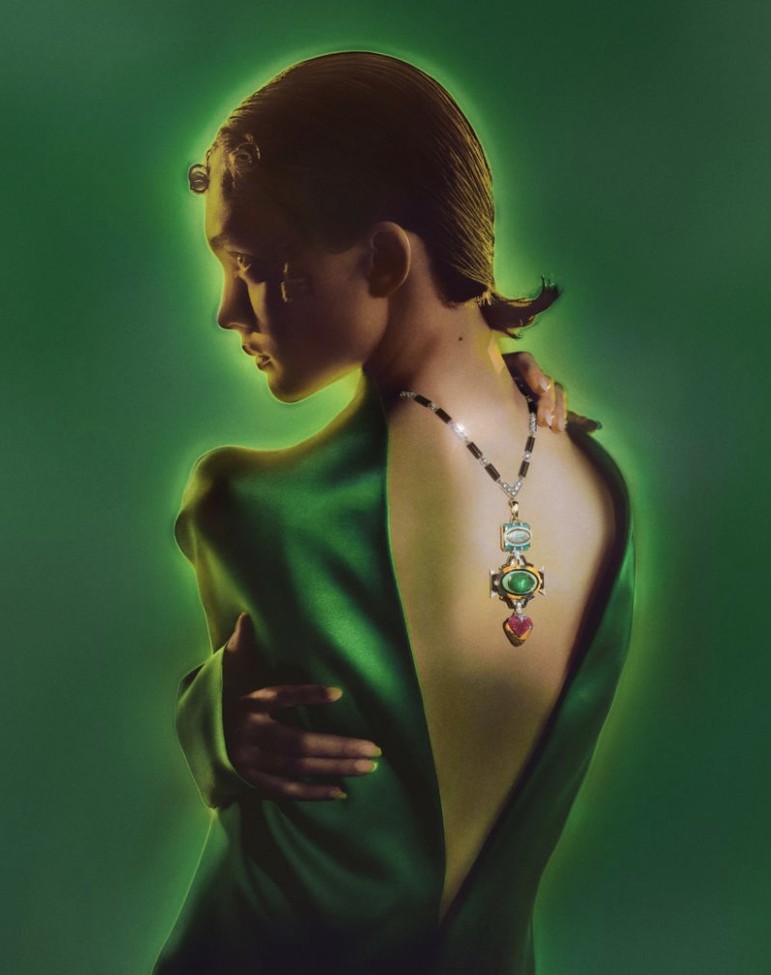
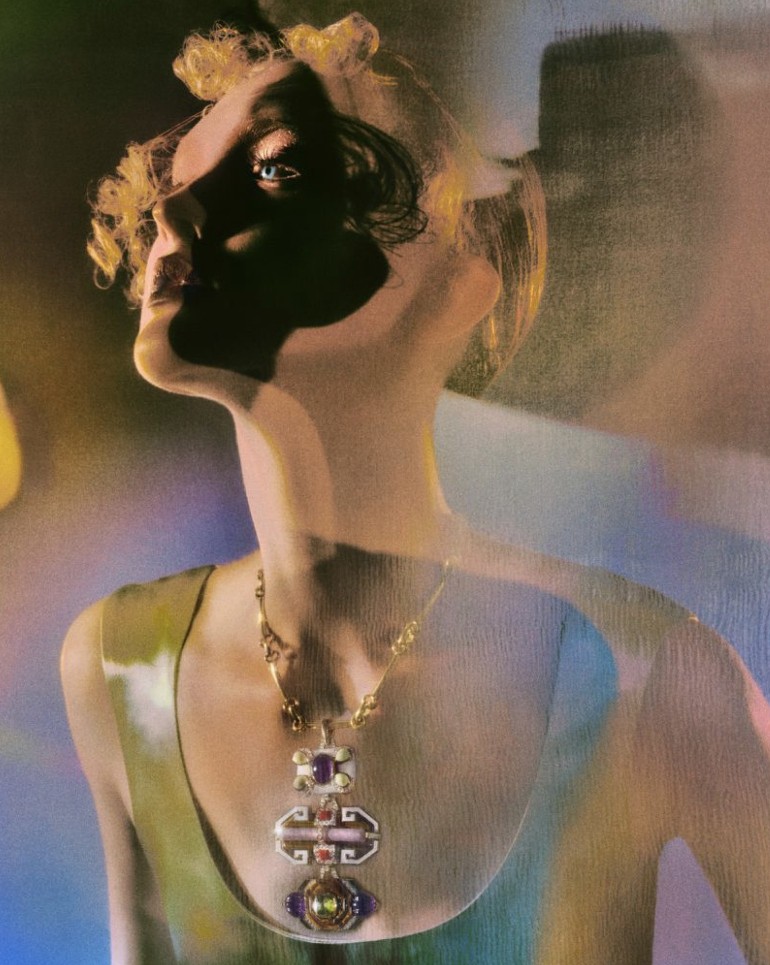
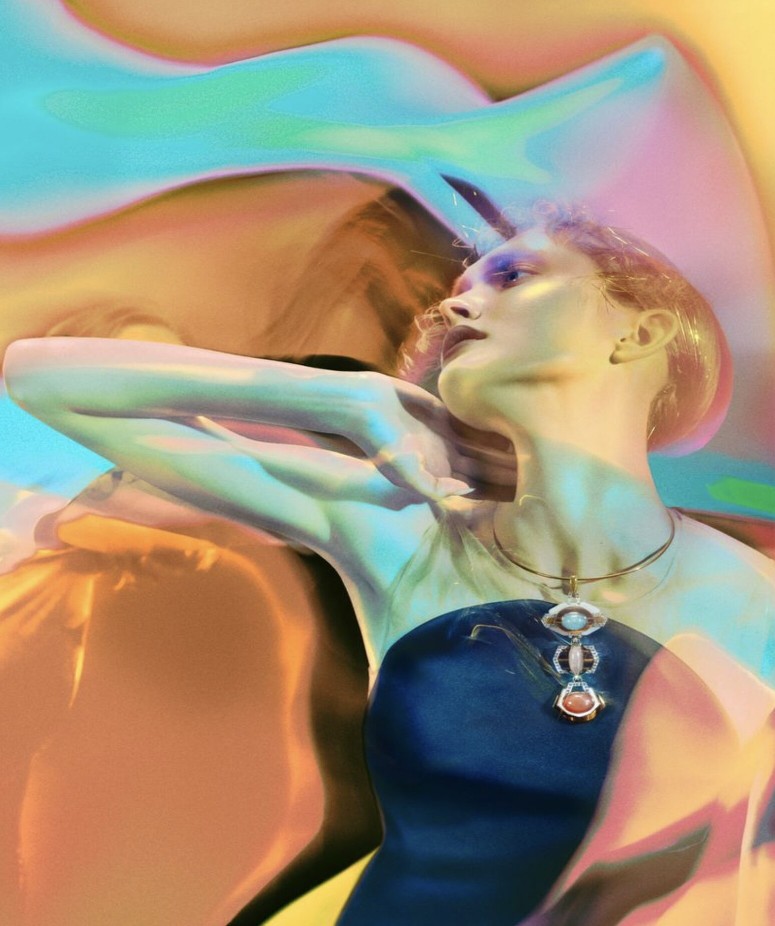
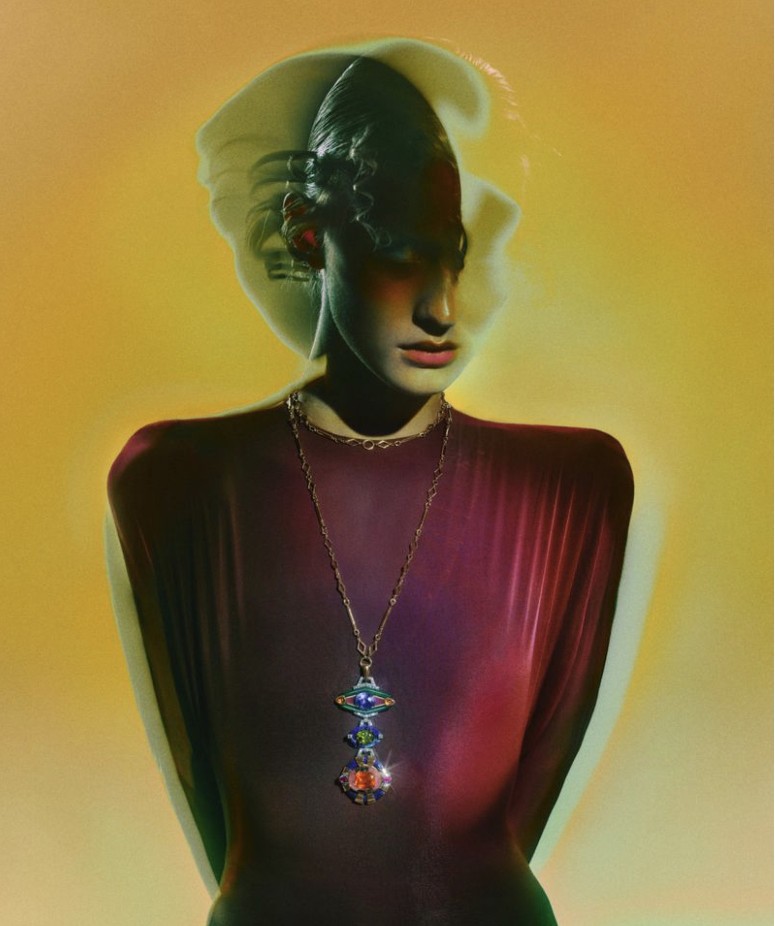
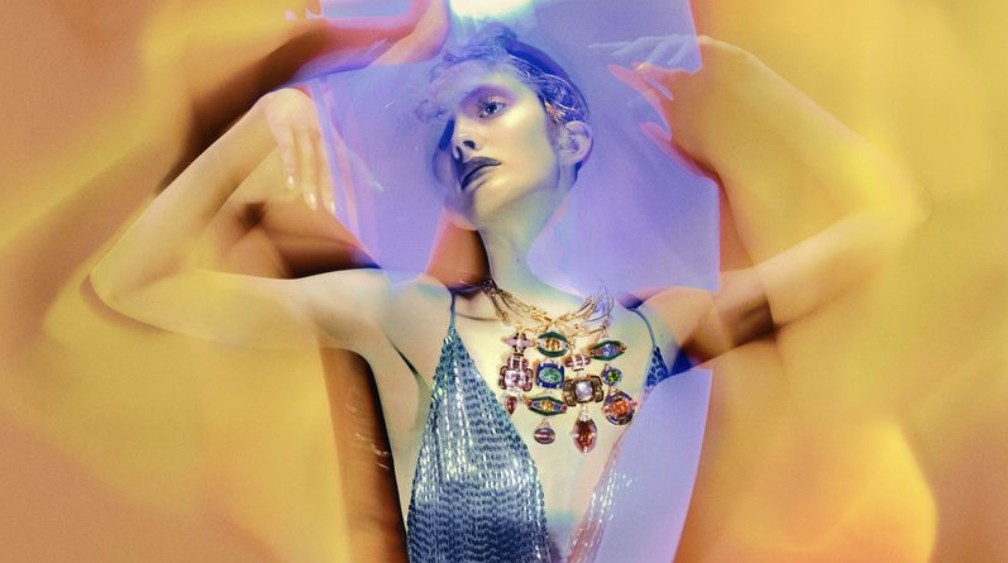
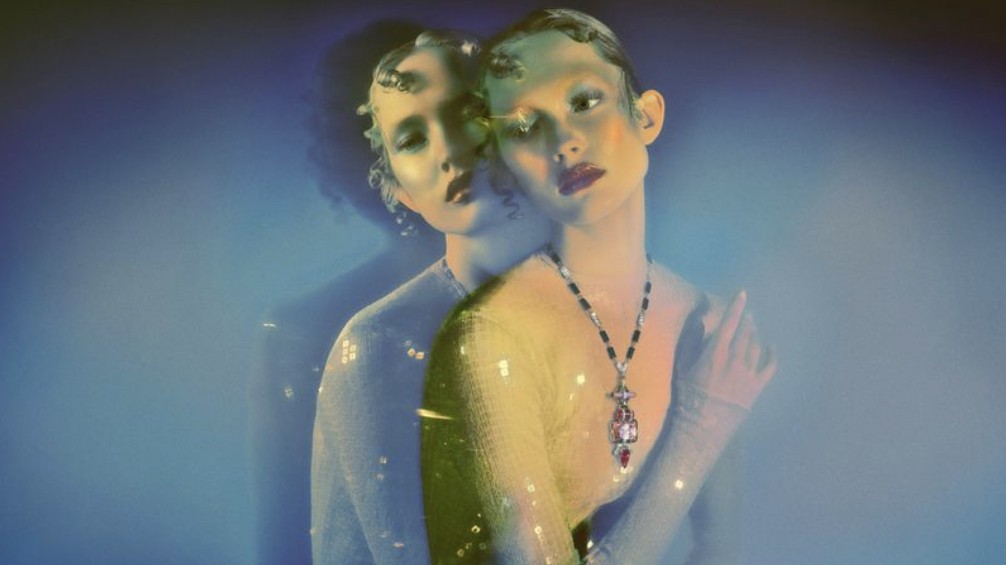
Photo: Elizaveta Porodina
This article is an original editorial analysis produced by [DIBA magazine]
Research and references are used for contextual accuracy.
