
|
EN
Subscribe to our Newsletter
Before fashion became an industry, it was an image. Long before runways, campaigns, and branding, illustration shaped how clothing was seen, imagined, and desired. Fashion illustration has never simply shown garments, it has translated fashion into thought, fantasy, and cultural meaning.
By the Editorial Staff
Introduction: Before Fashion Became Industry
Fashion illustration existed before fashion became an industry. Long before branding, seasonal collections, and runways, clothing was communicated through drawing. Illustration was not merely a decorative supplement to fashion, it was the primary visual language through which dress, status, and taste were transmitted. To understand fashion illustration is therefore to understand how fashion learned to see itself.
Fashion illustration operates differently from photography. It does not document; it interprets. It exaggerates, edits, distorts, and clarifies. Where photography records appearance, illustration constructs meaning. This distinction explains why fashion illustration has never disappeared, even during periods when it seemed marginal. Its role has continually shifted, from documentation to desire, from authority to critique, but its function as visual thinking has remained intact.
Origins: 18th–19th Century Fashion Plates
The origins of fashion illustration can be traced to the late 18th century, with the rise of fashion plates in Europe. These engraved and later hand-colored images appeared in early fashion journals such as Galerie des Modes in France and The Lady’s Magazine in England. Their function was informational: to show silhouettes, fabrics, and construction details to audiences who could not access court life or elite tailoring directly.
At this stage, fashion illustration was inseparable from class structure. The illustrated body was idealized, controlled, and distant. Faces were generalized; individuality was secondary to clothing. The body functioned as a neutral support system for garments, reinforcing fashion as a code of social hierarchy rather than personal expression.
Illustration during this period was not about creativity but transmission. It was a visual archive of etiquette, propriety, and power.
The Early 20th Century: Fashion Meets Art
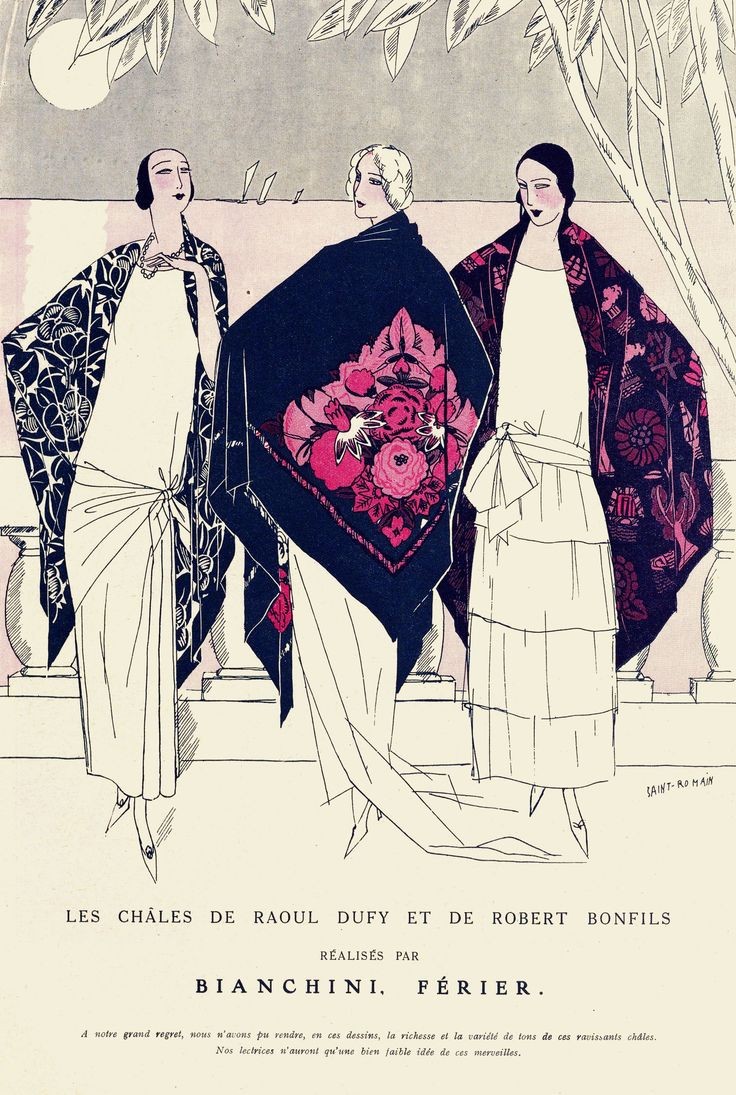
The early 1900s marked a radical shift. With the emergence of haute couture and luxury magazines such as Vogue and Harper’s Bazaar, fashion illustration became expressive, stylized, and artistic. Illustration no longer merely showed clothes, it constructed fantasy.
Artists such as Paul Iribe, George Lepape, and later Erté transformed fashion illustration into refined visual art. Influenced by Art Nouveau, Art Deco, Japonisme, and modernist aesthetics, their work emphasized elegance, rhythm, and abstraction. The body became elongated, theatrical, and emotionally charged.
This era established illustration as a mediator between fashion and imagination. Designers relied on illustrators to shape the emotional identity of their collections. Illustration did not follow fashion, it framed it, translating garments into cultural desire.
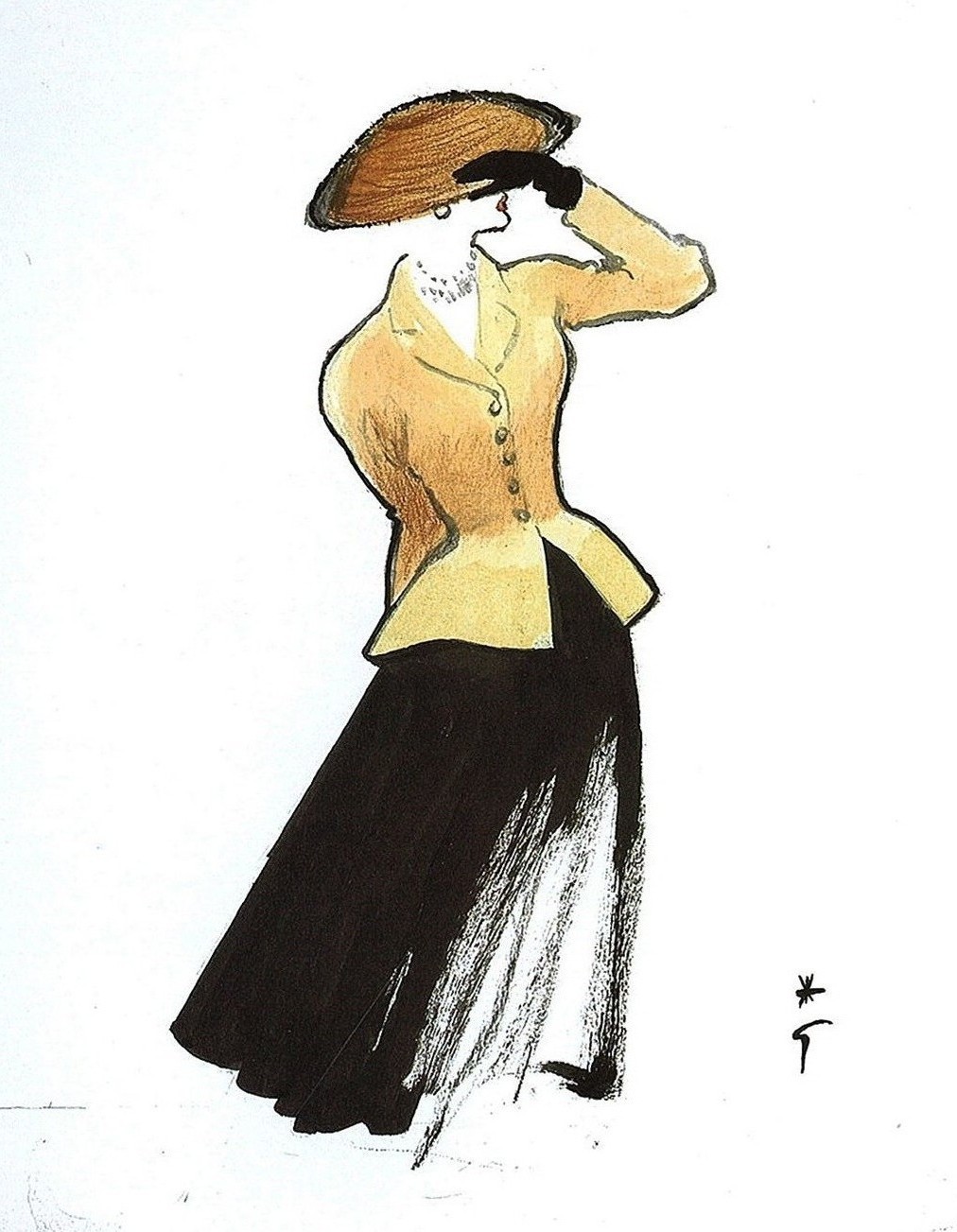
Rene Gruau, 1966
Photo by Getty Image
The Golden Age: 1920s–1950s
Often referred to as the Golden Age of fashion illustration, the period between the 1920s and 1950s saw illustration dominate fashion media. Before photography could accurately reproduce color, texture, and atmosphere, illustration was the most effective tool for conveying luxury.
Illustrators such as René Gruau, Carl “Eric” Erickson, and Christian Bérard defined the visual mythology of couture. Their images were not realistic; they were aspirational. Bold lines, controlled palettes, and dramatic compositions transformed garments into symbols of elegance and power.
During this period, the illustrator held cultural authority. They were not subordinate to designers or magazines but collaborators in constructing fashion’s dream world. Fashion illustration shaped how femininity, modernity, and sophistication were visually understood.
Mid-Century Shift: The Rise of Fashion Photography
By the late 1950s and 1960s, advances in photography and printing technology challenged illustration’s dominance. Photography offered realism, speed, and documentary credibility. Magazines increasingly replaced illustration with photographic editorials.
This shift was not merely technical, it was ideological. Fashion aligned itself with youth culture, authenticity, and immediacy. Illustration, associated with fantasy and elitism, began to appear outdated.
Yet the illustration did not disappear. It migrated into advertising, branding, and editorial accents. Its role shifted from visual authority to interpretation and commentary.
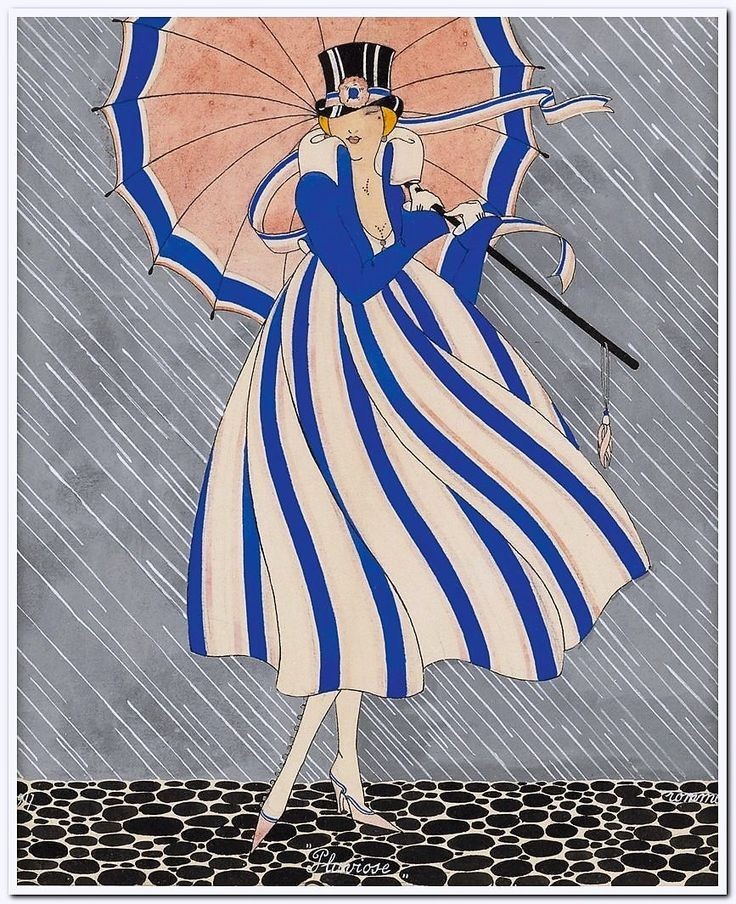
Martha Romme, 1917
Photo, Getty Image
The 1970s–1980s: Illustration as Identity and Expression
The 1970s marked a second transformation. Fashion illustration re-emerged as a tool for cultural expression rather than commercial dominance. Antonio Lopez became the defining figure of this era.
Lopez’s work celebrated movement, sexuality, race, and individuality. Bodies were no longer static or idealized; they were dynamic, emotional, and political. Illustration became a space for freedom, experimentation, and identity-making.
This period aligned fashion illustration with subculture, nightlife, and artistic rebellion. Illustration no longer served fashion, it engaged in dialogue with it.
The 1990s: Decline and Marginalization
During the 1990s, fashion photography achieved near-total dominance. Supermodels, global campaigns, and glossy perfection left little room for illustration in mainstream fashion media.
Illustration survived largely on the margins, used for invitations, niche publications, and personal projects. However, this marginalization preserved its experimental and critical potential.
2000s–2010s: Digital Revival
The digital era transformed fashion illustration fundamentally. Social media platforms and digital tools allowed illustrators to bypass traditional gatekeepers. Illustration returned, not as a replacement for photography, but as an alternative visual language.
Digital techniques expanded stylistic possibilities, while audiences increasingly valued individuality over perfection. Fashion illustration became associated with critique, diversity, and reinterpretation rather than aspiration alone.
Contemporary Fashion Illustration
Today, fashion illustration exists as a parallel language to photography. It is used to question ideals of beauty, gender norms, consumerism, and the fashion system itself.
Contemporary illustrators operate as visual theorists rather than decorators. Their work emphasizes subjectivity, distortion, emotion, and commentary. Illustration no longer sells fashion, it reflects, analyzes, and challenges it.
Conclusion: Illustration as Visual Thought
Fashion illustration has never been about accuracy. It has always been about meaning. From documentation to fantasy, from authority to critique, illustration remains fashion’s most reflective medium.
As long as fashion continues to evolve, illustration will remain necessary, not to show clothes, but to think through them.
This article is an original editorial analysis produced by [DIBA magazine].
Research and references are used for contextual accuracy.