
|
EN
Subscribe to our Newsletter
Vintage is not a return to the past, but a deliberate choice. Within subcultures, it emerged not from nostalgia, but from distance—distance from mass production, dominant fashion systems, and imposed identities. Worn garments became a language of refusal, expressing identity, resistance, and belonging beyond trends.
By the Editorial Staff
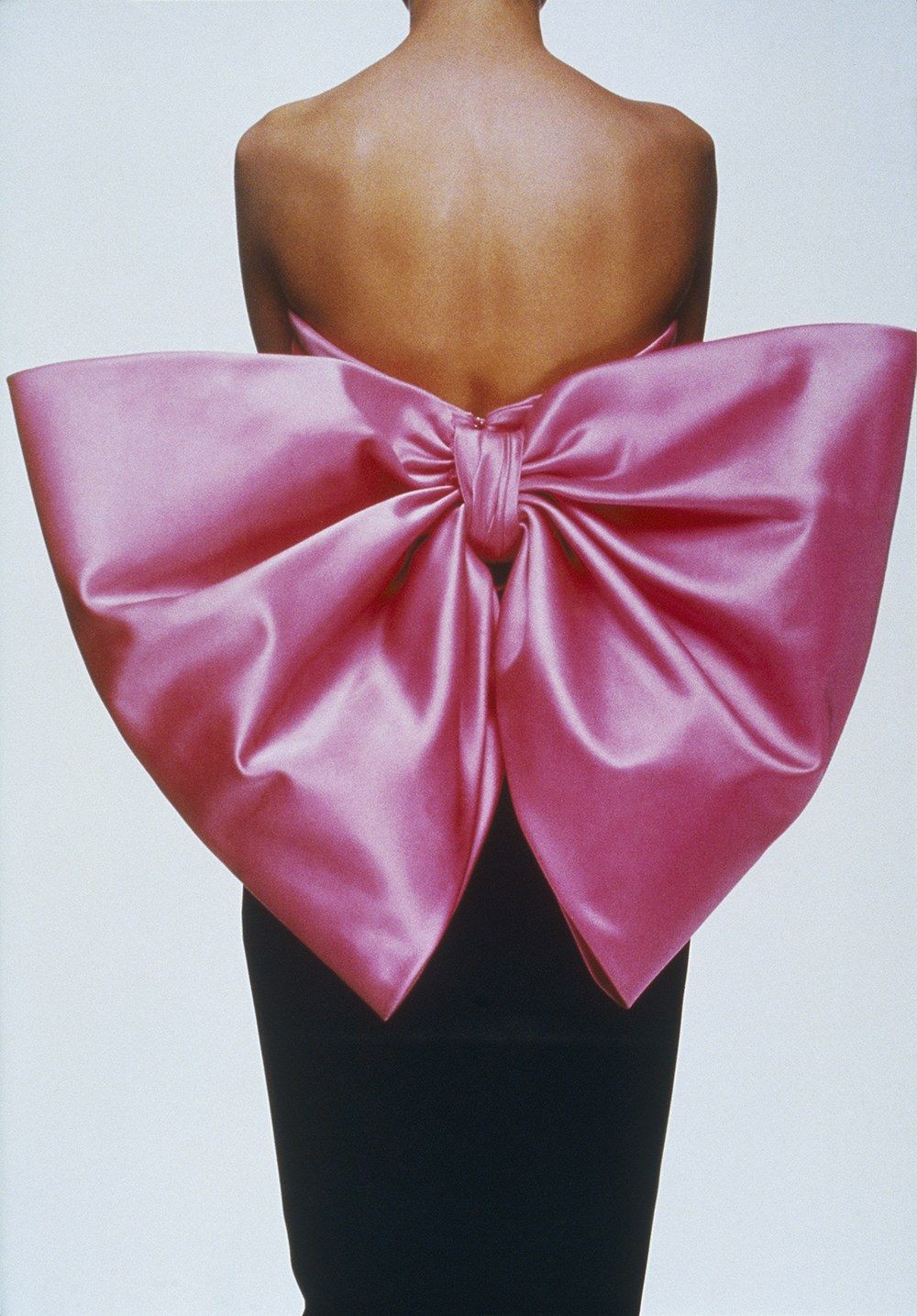
Vintage, contrary to popular belief, is not simply a return to the past. It is a conscious act of selection, one that involves wearing garments that have already circulated, absorbed time, and accumulated social meaning. Within subcultures, vintage did not arise from nostalgia, but from distance: distance from dominant fashion systems, from mass production, and from identities imposed by the market.
Rather than functioning as decoration or trend, vintage clothing became a tool for constructing identity. Each reused jacket, worn T-shirt, or visibly aged pair of shoes operated as a sign of refusal, refusal of speed, uniformity, and compulsory newness. This article examines vintage not as an aesthetic category, but as a cultural language through which subcultures articulated difference, resistance, and belonging.
Vintage as Choice, Not Ornament
Across subcultural movements, vintage has always been intentional. Choosing old, second-hand, or archival garments allowed individuals to step outside the linear rhythm of fashion cycles. Wearing clothes from previous decades was not about historical accuracy or stylistic homage; it was about positioning oneself against the logic of constant renewal.
The visible traces of wear, fading, fraying, distortion, were not flaws to be hidden, but evidence of lived experience. Vintage garments carried memory on their surface, signaling rejection of overconsumption and visual standardization. In this context, clothing functioned less as style and more as statement.
Punk: Vintage as Raw Material
Within punk culture, vintage was stripped of sentimentality. Second-hand clothing was sourced precisely because it was cheap, discarded, and socially devalued. That lack of value made it available for intervention.
Garments were torn, cut, safety-pinned, painted, and rewritten. Vintage here was not preserved; it was attacked.
Its previous life mattered less than its capacity to be transformed. Punk treated old clothing as raw material, matter to be destroyed and reassembled in opposition to dominant norms. In this sense, vintage became an act of aggression rather than nostalgia.
Photo by: Pinterest
Hippie and Bohemian Cultures: Vintage as Memory
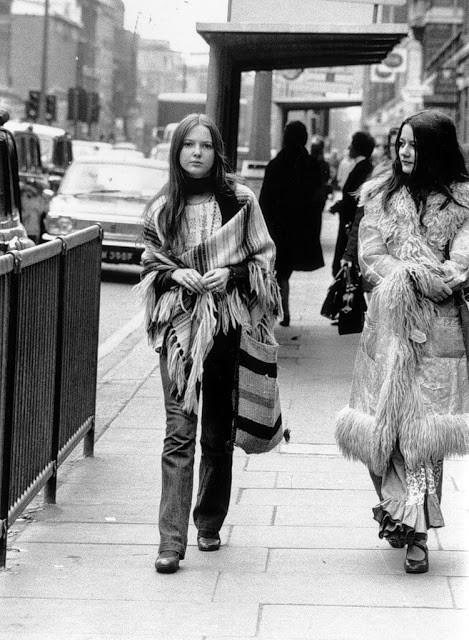
In hippie and bohemian movements, vintage clothing carried a different charge. Ethnic garments, handcrafted textiles, and pieces from earlier decades were worn as symbols of resistance to industrial fashion and modern alienation.
Here, vintage functioned as memory, both personal and collective. Old clothes referenced pre-industrial ways of living, alternative spiritualities, and ideals of freedom, nature, and community. This was not a loud protest, but a sustained refusal: a soft resistance enacted through the body.
Mods: Precision and Curated Vintage
Mods approached vintage selectively and with discipline. Rather than embracing wear or disorder, they curated garments from previous decades, tailored jackets, crisp shirts, polished shoes, to construct a highly controlled identity.
Vintage, in this context, was not associated with marginality or poverty. It was a tool of distinction. By referencing specific historical silhouettes, Mods used the past to sharpen their present image. Vintage became a method of precision, not rebellion through chaos.
Grunge: Vintage as Anti-Fashion
In the 1990s, grunge culture reactivated vintage as a form of anti-fashion. Oversized flannel shirts, worn jeans, and thrift-store layers directly opposed the polished excess and idealized bodies of the 1980s.
Vintage garments signaled indifference, not only to trends, but to the very idea of fashion as aspiration. Their appeal lay in refusal: refusal of glamour, refinement, and visual effort. In grunge, vintage became a language of exhaustion and resistance.
Today: Between Meaning and Market
Today, vintage has entered the mainstream. What once existed on the margins now circulates freely within fashion markets, social media, and luxury resale platforms. Yet beneath this visibility, its subcultural origins remain legible.
The crucial difference lies here: vintage once carried meaning because it existed outside the system. It was personal, scarce, and resistant to replication. The question now is whether vintage can still function as a carrier of identity, or whether it has been fully absorbed as a marketable aesthetic.
This article is an original editorial analysis produced by [DIBA magazine].
Research and references are used for contextual accuracy.