
|
EN
Subscribe to our Newsletter
In a world overwhelmed by climate crisis, conflict, and uncertainty, The Book of Hope offers something rare: a calm, grounded belief in humanity’s ability to change. Through an intimate conversation with Jane Goodall, this book reframes hope not as optimism, but as an active choice, one that demands courage, responsibility, and action.
By the Editorial Staff
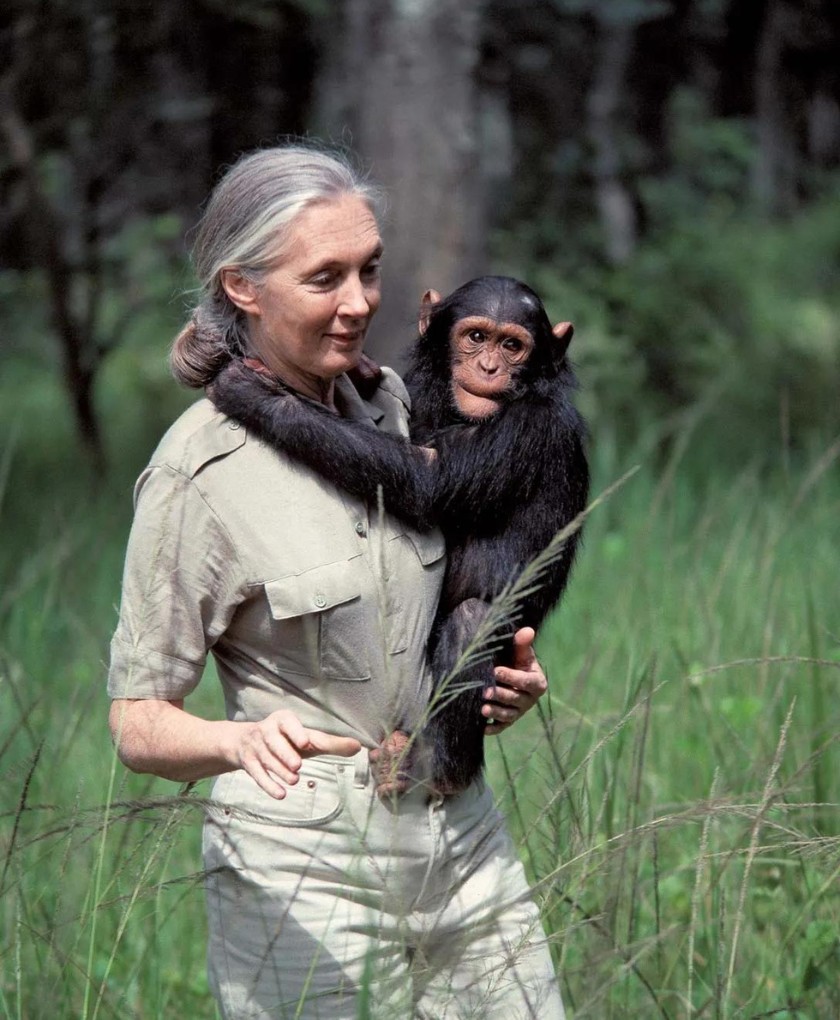
The Book of Hope is a long and profound conversation with Jane Goodall, a woman who has devoted her life to studying nature, animal behavior, and environmental conservation. Written as a dialogue with Douglas Abrams, the book weaves together personal stories, scientific experiences, and deeply human reflections.
In this book, Jane explains why, despite the many crises facing the world today, from climate change to war and social injustice, she continues to believe in hope.
She emphasizes that hope is not a shallow feeling or naïve optimism. Hope is a driving force, something that pushes us to act, to create change, and to work toward a better future. According to Jane, hope requires courage and patience, and it depends on taking small but meaningful steps, even when the challenges feel overwhelming.
The book is built around four main pillars of hope:
1. Human Intellect and Ingenuity
Jane believes that human intelligence is one of the greatest sources of hope. Throughout history, people have repeatedly found solutions in the most difficult circumstances. Our ability to think creatively, invent, and solve problems has saved lives and transformed societies time and again.
2. The Resilience and Regenerative Power of Nature
One of the most beautiful sources of hope, in Jane’s view, is nature’s extraordinary capacity to heal itself. Forests grow back after fires, endangered species recover, and ecosystems can regenerate if given the chance. She shares many examples from her fieldwork in Africa and environmental projects around the world that demonstrate this powerful resilience.
3. The Energy and Commitment of Young People
Jane sees young people as one of the strongest engines of change. They are informed, brave, and ready to take action. They refuse to accept injustice, fight for the environment, and are determined to build a better future. Her well-known program Roots & Shoots stands as a global example of how young people can make a real difference.
Jane Goodall
Photo by: National Geographic
4. The Indomitable Human Spirit
This pillar focuses on humanity’s remarkable ability to rise after falling. Through stories of individuals and communities who have survived and rebuilt after severe crises, Jane reminds us that humans are inherently resilient. This spirit of perseverance is one of the foundations of hope.
The central message of the book is that hope only becomes real and alive when it is paired with action. Even the smallest efforts, caring for the environment, helping others, or changing everyday habits, can create powerful waves of change.
Jane urges us not to surrender to global problems, but instead to take responsibility for our own small part.
The Book of Hope is both inspiring and realistic. It does not hide the world’s problems, but it reminds us that hope is a responsibility, one that none of us can afford to abandon.
This article is an original editorial analysis produced by [DIBA magazine].
Research and references are used for contextual accuracy.