
|
EN
Subscribe to our Newsletter
Pregnancy has long been celebrated, yet for much of the 20th century, the pregnant body itself was expected to remain unseen. The history of vintage maternity fashion is not merely a story of clothing, but of social restraint, coded design, and the gradual negotiation between visibility and propriety.
By the Editorial Staff
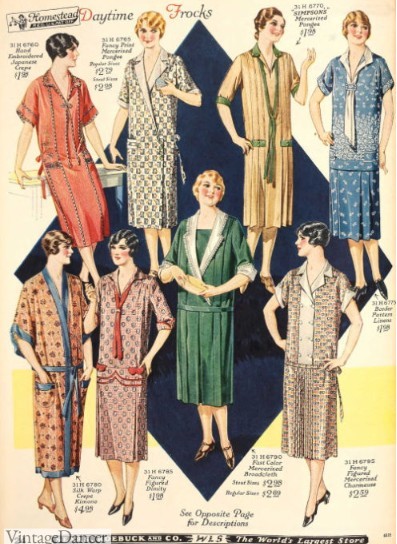
The Pregnant Body as a Social Problem
Throughout the early and mid-20th century, pregnancy occupied a paradoxical space. Motherhood was idealized, yet the pregnant body itself was treated as something improper, best hidden, softened, or removed from public view. Maternity fashion did not emerge from celebration, but from necessity: to conceal change while maintaining social decorum.
Catalogues from the late 19th century through the 1960s devoted only a handful of pages to maternity wear. Even then, illustrations and photographs carefully avoided depicting visible baby bumps. Pregnancy, though omnipresent, was rendered invisible.
1920s–1930s | Disguise Through Design
The loose silhouettes of the 1920s unintentionally favored maternity needs. Drop-waist dresses, unbelted styles, adjustable ties, and wrap constructions allowed women to adapt clothing without announcing pregnancy. Nursing solutions were hidden within detachable blouses and interior buttons, functional yet discreet.
The 1930s, with their return to femininity and defined waists, required more strategic camouflage. Designers relied on capes, boleros, flounces, oversized bows, and busy prints to obscure the growing body. Wrap-front and wrap-back dresses allowed expansion while preserving a smooth façade.
At every stage, the goal remained the same: delay visibility.
1940s | Wartime Practicality and Quiet Resistance
World War II reinforced conservative ideals around womanhood and domesticity. Maternity clothing emphasized practicality, wrap dresses, shirtwaist styles, adjustable skirts, smock tops, but still avoided overt acknowledgment of pregnancy.
Hollywood mirrored this discomfort. Films routinely skipped from marriage to motherhood, bypassing pregnancy altogether. Even The Miracle of Morgan’s Creek (1944), centered on a pregnant protagonist, went to great lengths to avoid showing her body directly.
Pregnancy existed, but never front and center.
Photo: Pinterest
The Baby Boom: A Cultural Shift
After World War II, fertility rates surged across the Western world. The “baby boom” created an unprecedented demand for maternity clothing. Yet social anxiety persisted, particularly for working women, many of whom risked losing their jobs if pregnancy became visible.
Maternity wear was marketed not as fashion, but as concealment technology. Garments were praised for how well they hid the bump. Catalogues still refused to photograph pregnant models. To show pregnancy openly was considered crude.
Lane Bryant, Page Boy, and the Birth of an Industry
Lane Bryant was among the first to recognize maternity wear as a distinct market, using mail-order catalogues when newspapers refused to run maternity advertisements.
In 1938, the Frankfurt sisters of Dallas took things further, founding Page Boy, the first company to design maternity clothing that was both functional and attractive. Their patented tie-waist skirt with a front cut-out, concealed beneath a long jacket, became revolutionary. It allowed the body to grow without distortion.
By mid-century, Page Boy dominated the U.S. maternity market. Jackie Kennedy and Elizabeth Taylor wore their designs, signaling a quiet shift: pregnancy could now be stylish.
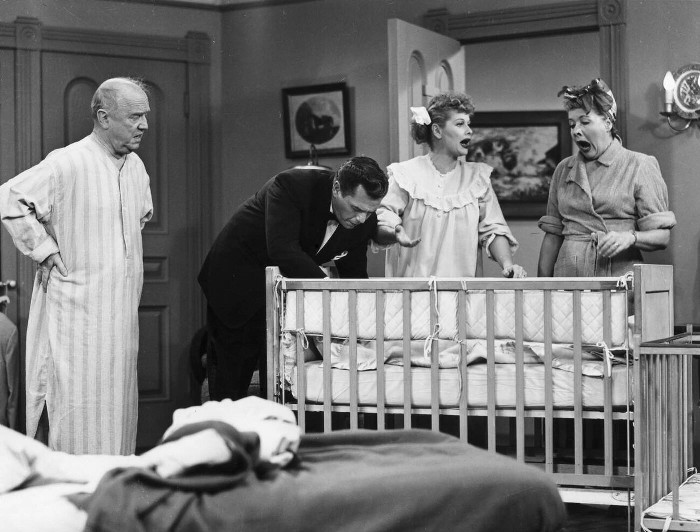
1950s | Visibility Begins
The early 1950s still discouraged public pregnancy. Women were expected to retreat into house dresses once their bodies no longer fit societal norms. But culture began to change.
In 1952, Lucille Ball became the first visibly pregnant woman on American television during I Love Lucy. Though the word “pregnant” was forbidden on air, her presence alone normalized pregnancy for millions.
Fashion followed. Two-piece maternity sets replaced shapeless dresses. Swing tops, smock blouses, adjustable skirts, and zip-to-fit waistbands allowed for both mobility and dignity. For the first time, maternity wear acknowledged that pregnant women existed in public.
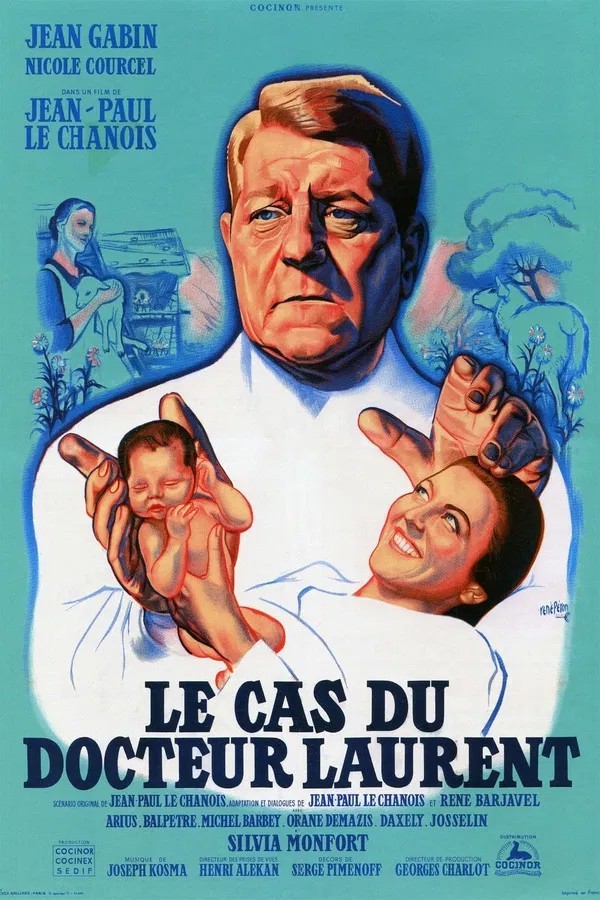
Late 1950s–1960s | Media, Fashion, and the Body
Cinema played a pivotal role. The French film The Case of Dr. Laurent (1957), which depicted childbirth, helped dismantle restrictive censorship codes. By 1968, those codes were abandoned entirely.
That same year, Barbara Streisand appeared visibly pregnant in Funny Girl, while Rosemary’s Baby confronted pregnancy head-on, no longer hidden, no longer abstract.
Fashion responded with slimmer silhouettes, A-line dresses, and the introduction of belly bands in skirts and trousers. The body was no longer disguised, it was accommodated.
1970s–1980s | From Acceptance to Expression
By the 1970s, maternity fashion fully mirrored mainstream trends. Wide-leg trousers, flowing maxi dresses, and knit fabrics embraced comfort and visibility. Pregnancy became a styled state.
The shift reached a cultural peak decades later. In 1991, Demi Moore appeared nude and pregnant on the cover of Vanity Fair. In 2022, Rihanna transformed pregnancy into a fashion statement, bare belly included.
What was once hidden had become iconic.
Conclusion
Vintage maternity fashion charts one of the most profound transformations in modern dress history. From concealment to visibility, from silence to expression, these garments document how society learned, slowly, to see the pregnant body not as a problem, but as a presence.
This article is an original editorial analysis produced by [DIBA magazine].
Research and references are used for contextual accuracy.
The Case of Dr. Laurent, 1957
Photo: The Movie DB