
|
EN
Subscribe to our Newsletter
Jonathan Anderson’s appointment as Creative Director of Dior, overseeing womenswear, menswear, and haute couture, marks a defining moment in contemporary luxury fashion. Beyond the symbolic weight of this historic role, the first since Christian Dior to oversee all facets of the house, Anderson embodies a new paradigm of creative authorship. His vision treats history not as a static legacy but as a living archive, shaping a language of couture that is intellectually rigorous, emotionally resonant, and culturally relevant.
By the Editorial Staff
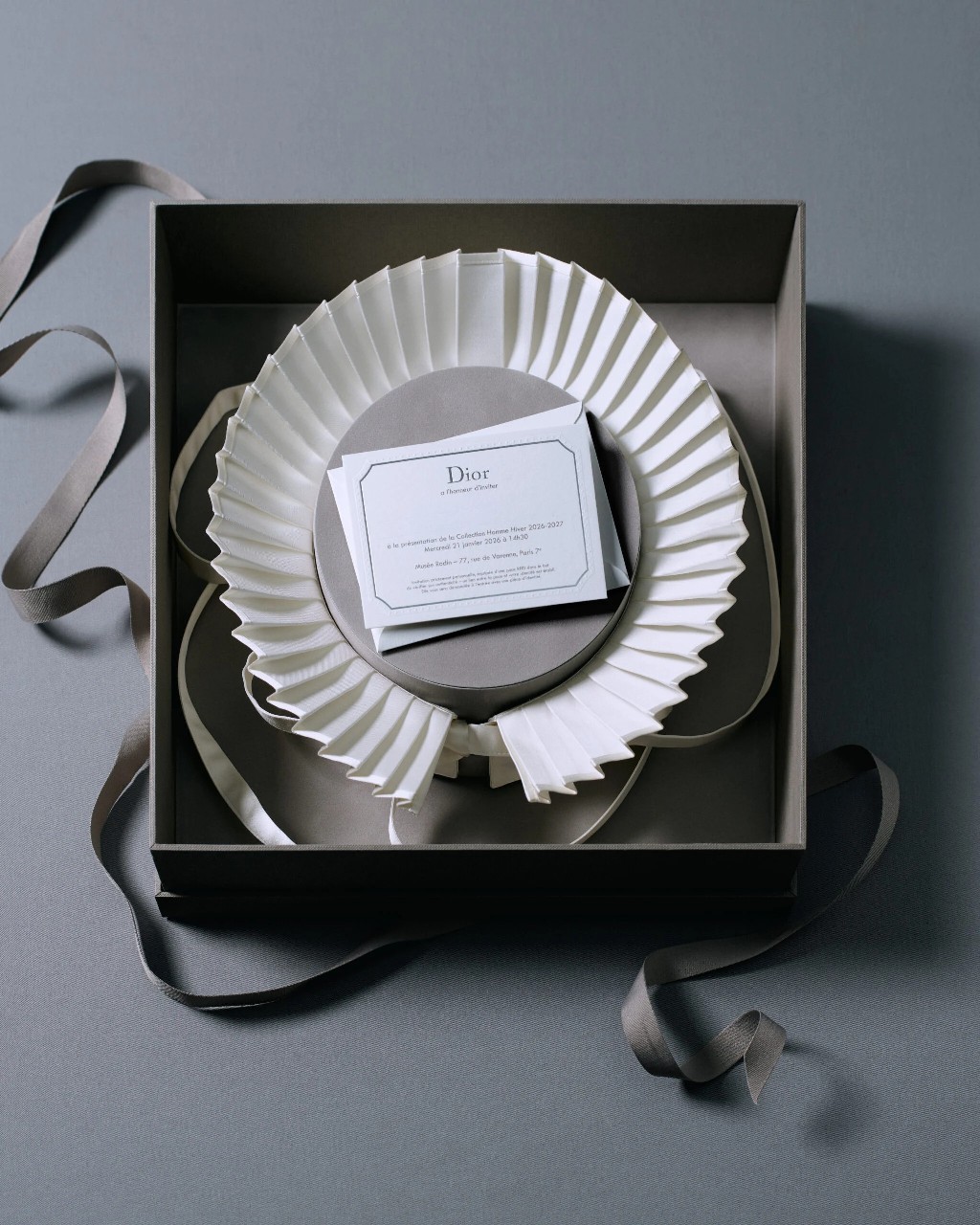
Dior Men Winter 26-27 Show Invitations by Jean-Marie Binet
Photo: Pinterest
Anderson’s professional trajectory, from the experimental ethos of JW Anderson to his transformative leadership at Loewe, demonstrates a profound understanding of fashion as both product and cultural language. At Dior, he reinvents the house’s heritage not through imitation but through creative interpretation. Iconic elements such as the architectural precision of the New Look, sculptural tailoring, and Dior’s poetic engagement with nature are present in his collections, yet never reproduced literally.
In his designs, Anderson prioritizes fluidity, tactility, and emotional depth over spectacle. His early haute couture shows exemplify this approach: soft silhouettes, knitwear, and playful accessories subtly challenge traditional hierarchies, suggesting that couture can be both technically masterful and human-centered.
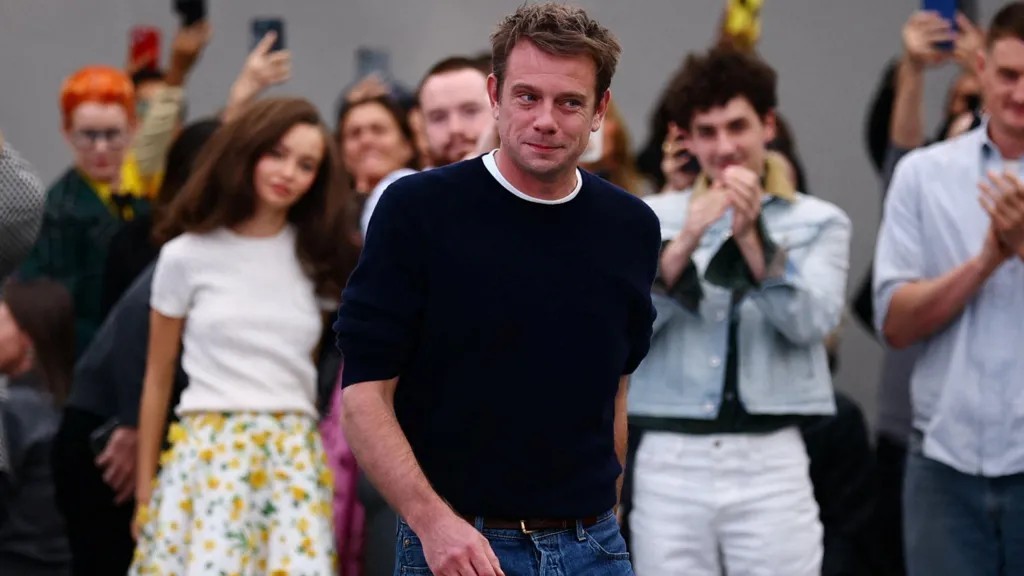
Jonathan Anderson received a standing ovation after his Paris Fashion Week show
Photo: Getty Images
A defining aspect of Anderson’s work is his view of fashion as a dynamic cultural ecosystem. Collaborations with artists, filmmakers, and multidisciplinary creatives illustrate his lateral, conceptual approach. Flowers, for instance, are transformed from decorative motifs into structural and conceptual devices; volume becomes a tool for inquiry rather than excess; ornamentation functions as narrative rather than mere embellishment. This approach transforms Dior from a static archive into a house in dialogue with contemporary culture, allowing couture to engage meaningfully with current aesthetic, social, and emotional concerns.
Under Anderson, Dior is less about radical reinvention and more about careful recalibration of heritage and innovation. He understands that the house’s enduring power lies in its ability to transform and inspire. Just as the New Look revolutionized fashion after World War II, Anderson’s collections introduce a subtler but equally profound shift: placing ambiguity, curiosity, and experimentation at the heart of luxury and couture. In an era dominated by immediacy and spectacle, he emphasizes thoughtfulness, depth, and measured creative exploration, creating collections that resonate intellectually, emotionally, and socially.
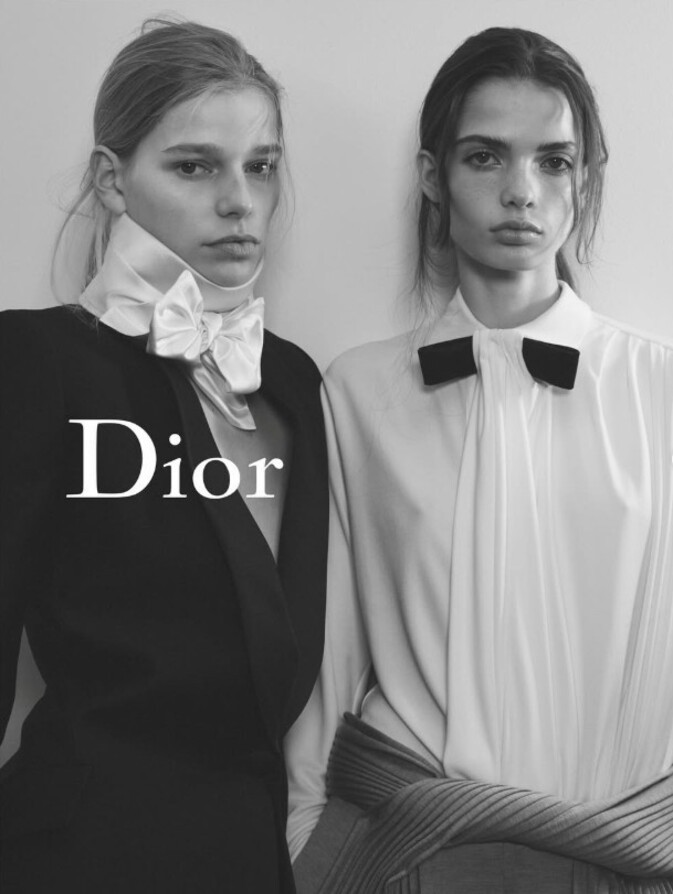
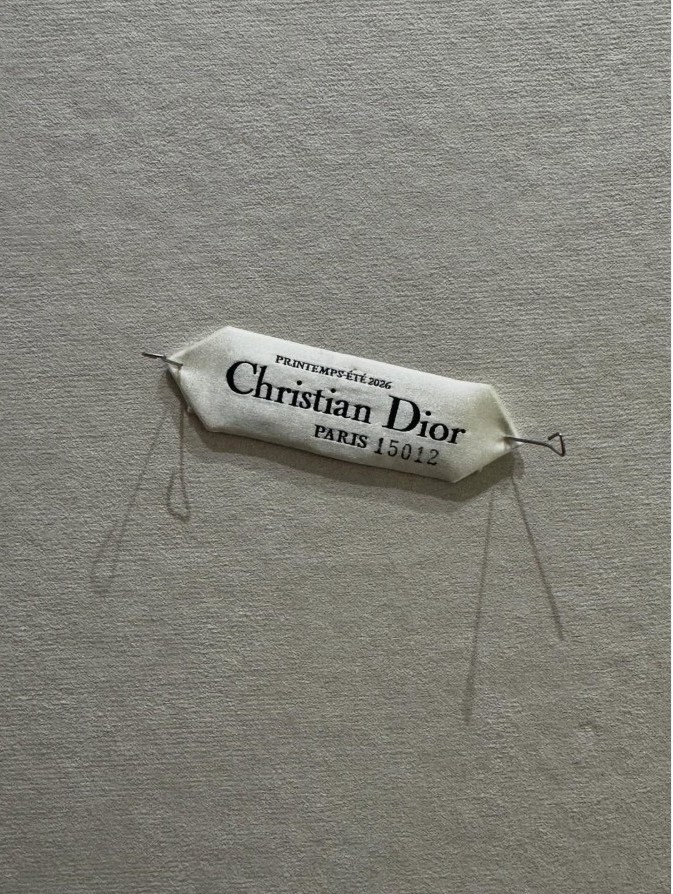
Photo: DavidSimsOfficial
Style: BenjaminBruno
In his work, Dior’s legacy ceases to be a static archive and becomes a living language for contemporary creativity. Iconic elements like precise tailoring, volume, and floral motifs are not merely replicated but reinterpreted to engage with today’s cultural and aesthetic concerns. This ensures that Dior’s haute couture remains relevant, bridging tradition and modernity, and positioning the house as a forward-looking leader in luxury fashion.
Another central aspect of Anderson’s methodology is the integration of art, fashion, and popular culture. Collaborations with artists such as Magdalene Odundo and filmmakers like Luca Guadagnino demonstrate his ability to approach design in a multilayered, conceptual way, using references from ceramics, archival florals, and other cultural sources not as decoration but as a vocabulary for new visual and conceptual storytelling. This vision positions Dior as a house where couture is not merely spectacle but a space for experimentation, reflection, and cultural narrative.
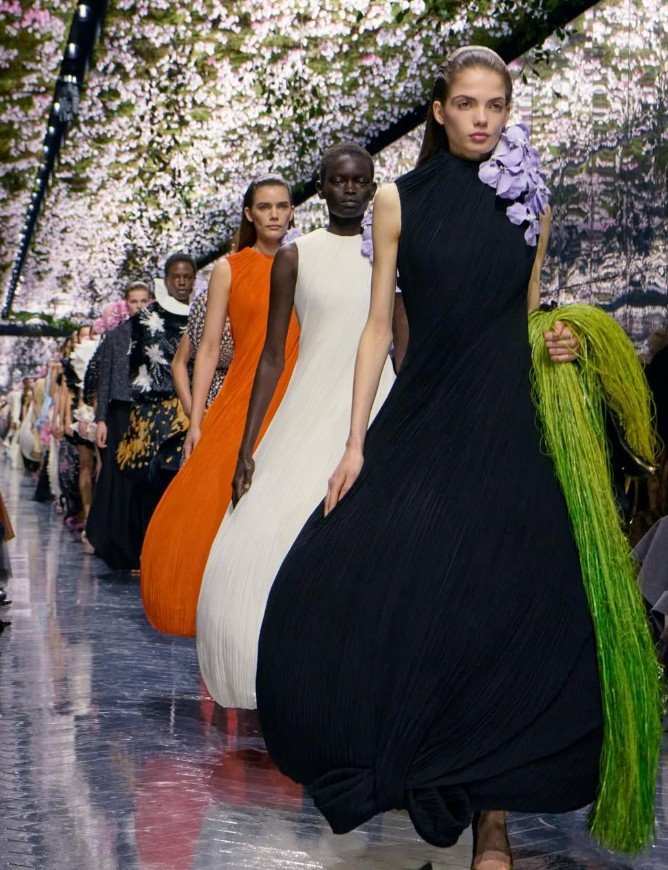
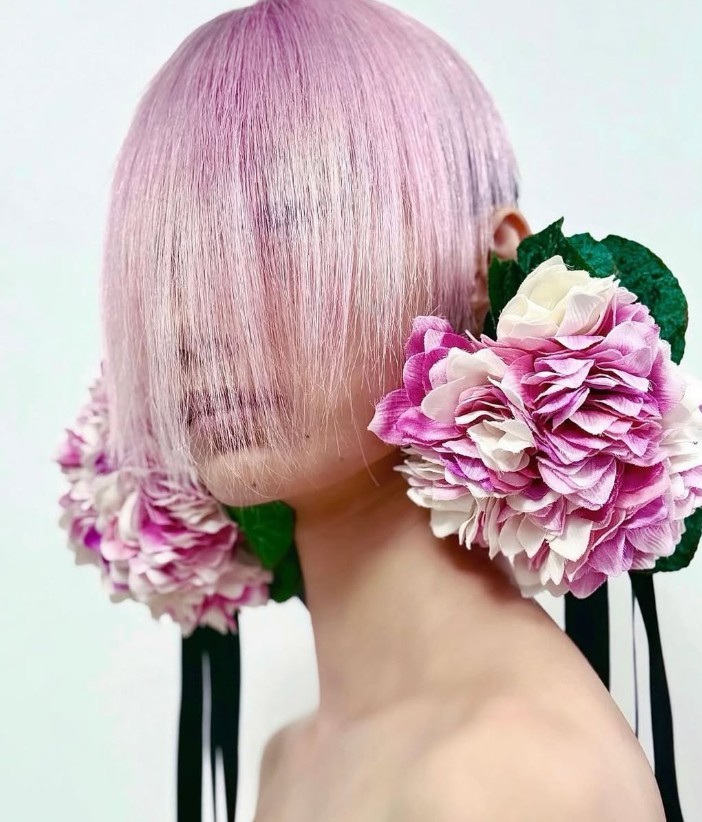
Dior Couture
Style: Benjamin Bruno
Hair: Guido Palau
Makeup: Peter Philips
Ultimately, Jonathan Anderson’s tenure at Dior is less about radical transformation and more about intelligent calibration of heritage and innovation. He demonstrates that the house’s enduring strength lies in its capacity to evolve while drawing inspiration from the past. Just as the New Look reshaped postwar fashion, Anderson’s collections gradually but decisively place ambiguity, curiosity, and innovation at the core of luxury and haute couture.
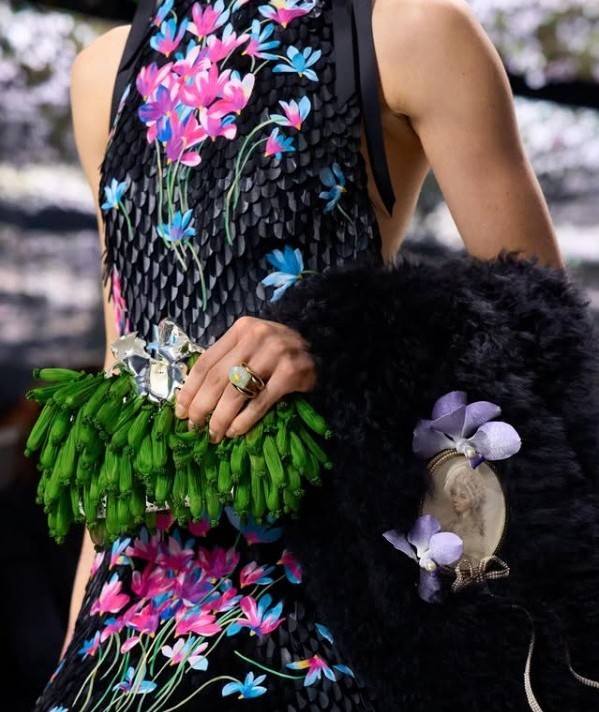
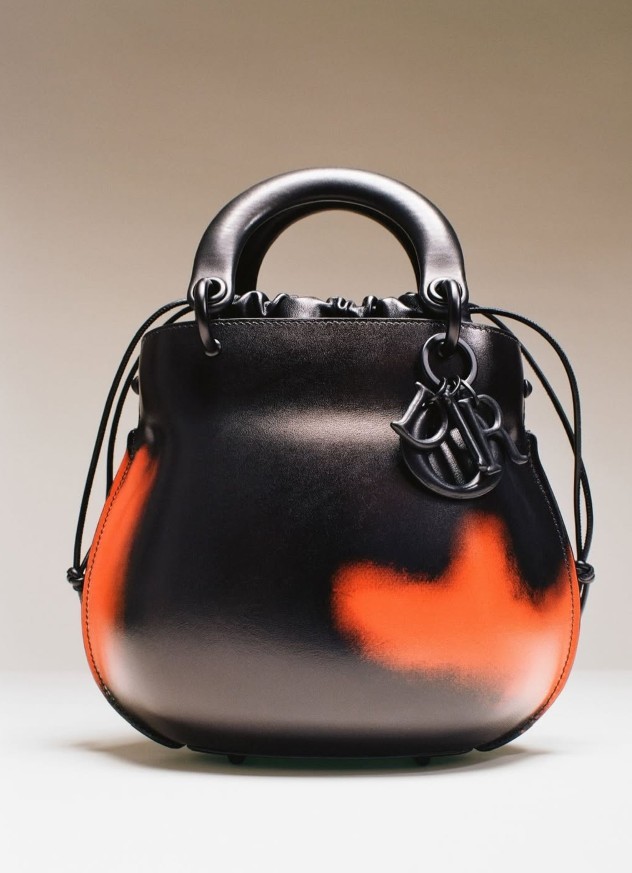
Style: Benjamin Bruno
Hair: Guido Palau
Makeup: Peter Philips
Dior Spring Summer 2026 Haute Couture
In the end, Dior under Jonathan Anderson is no longer simply a house preserving tradition; it has become a center for redefining the language of fashion, art, and contemporary culture. His approach illustrates that true luxury fashion emerges not from abandoning the past, but from interrogating how heritage can communicate meaningfully with the present, reshaping the way we experience, feel, and interpret the world around us.
This article is an original editorial analysis produced by [DIBA magazine]
Research and references are used for contextual accuracy.