
|
EN
Subscribe to our Newsletter
Lace is no longer confined to couture and bridalwear; it has found a new rhythm in contemporary interiors. Once a symbol of heritage and delicate craftsmanship, lace is now redefining modern minimalism through texture, contrast, and subtle emotion. From sourcing innovations in the digital age to its thoughtful placement in home décor, lace offers a quiet form of luxury soft yet structured, nostalgic yet refreshingly current.
By the Editorial Staff
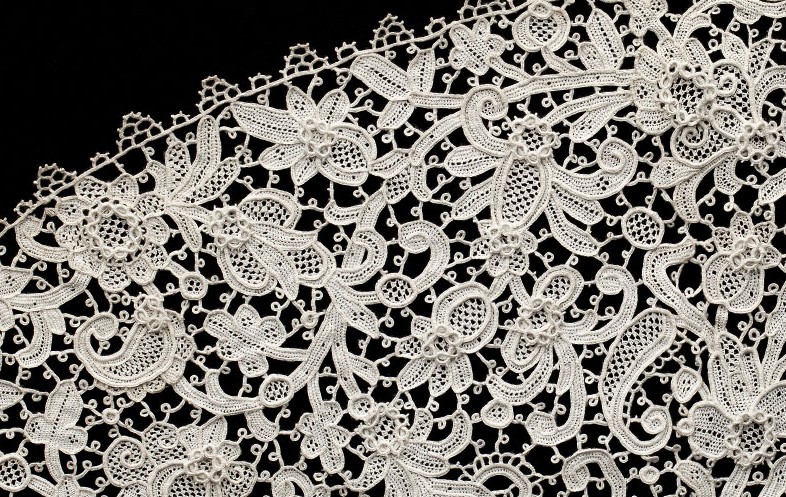
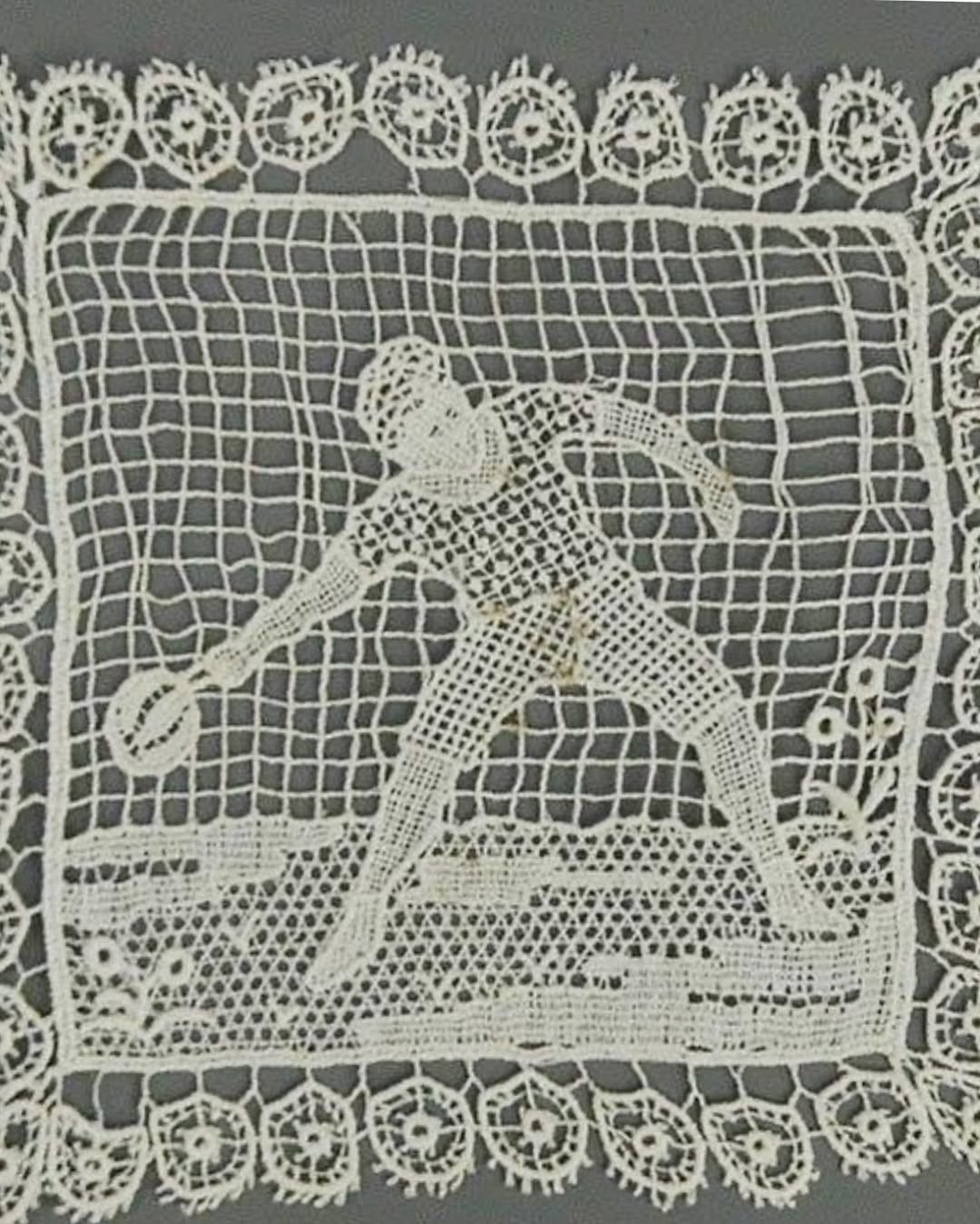
The history of guipure lace is inseparable from the broader evolution of lace itself, yet it occupies a distinct structural and symbolic position within that story. Lace first emerged in late 15th-century Europe, developing from earlier cutwork and drawn-thread embroidery techniques that transformed woven linen into open, decorative grids. What made guipure exceptional was its architectural clarity: instead of relying on a continuous mesh ground, its motifs were connected by bars or plaits, creating negative space that felt deliberate, almost engineered. In Renaissance Italy particularly Venice needle lace evolved into sculptural compositions of astonishing intricacy, while in Flanders bobbin lace achieved rhythmic precision through disciplined thread manipulation. These early forms demanded extraordinary labor; thousands of hours could be invested in a single collar or panel, each thread placed with intention.
Lace was not simply fabric. It was time made visible.
By the Elizabethan era, lace had moved beyond craftsmanship into spectacle and politics. Under the reign of Queen Elizabeth I, elaborate ruffs framed the face in halos of controlled excess, turning lace into a language of authority and cultivated power. Across France, Spain, and the Low Countries, lace adorned court gowns, ecclesiastical vestments, cuffs, cravats, and household textiles. In the French court particularly under Louis XIV lace production became a matter of state interest, encouraged not only for aesthetic prestige but for economic strategy.
Workshops employed thousands of women, many working anonymously in domestic interiors, their fine motor skills sustaining Europe’s luxury trade. Guipure and related laces functioned as portable wealth, global commodities that moved through early trade routes, binding artistry to the empire. At the same time, sumptuary laws attempted to regulate who could wear such costly materials, reinforcing lace’s role as a visible marker of hierarchy.
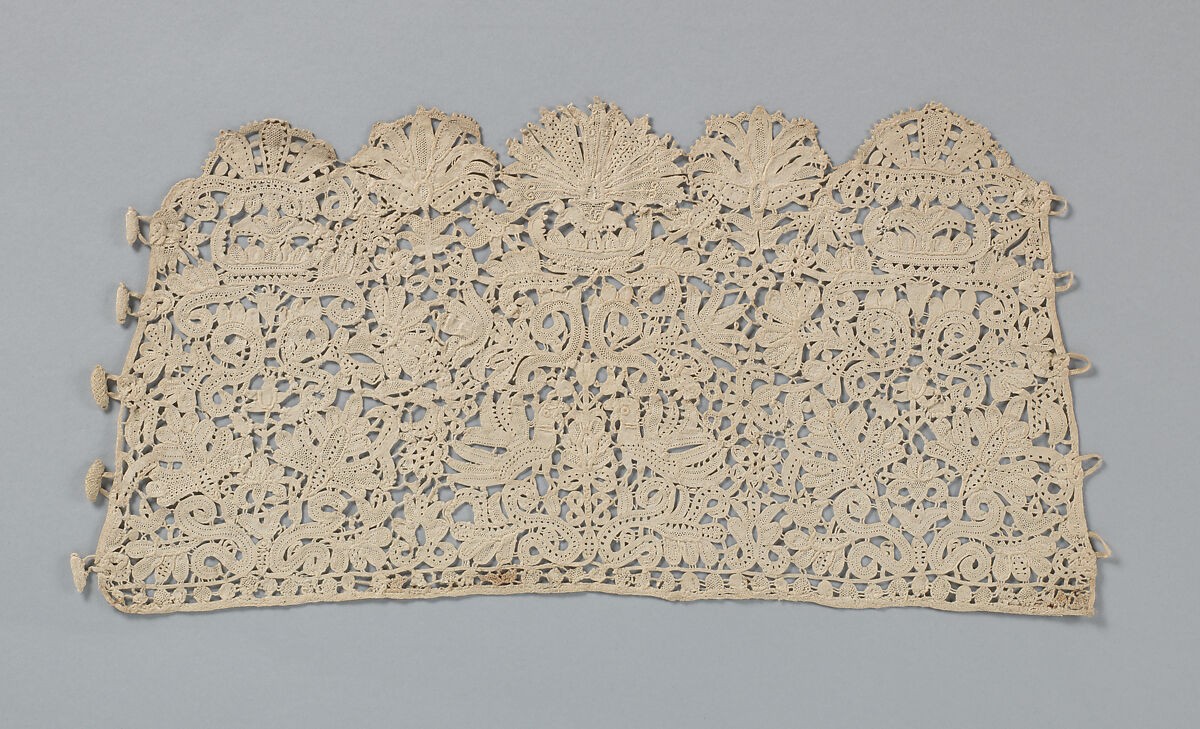
Pair of cuffs
Photo: The Metropolitan Museum of Art
The 19th century introduced rupture and reinvention. The Industrial Revolution and innovations such as the Leavers machine transformed lace from painstaking handcraft into scalable industry. Production accelerated; cost declined; access widened. Lace, once the privilege of royalty and aristocracy, entered bourgeois wardrobes and domestic interiors. This democratization did not erase its romance, it reframed it.
Machine-made lace preserved visual delicacy while redefining labor and authorship. Handmade lace, meanwhile, acquired a new aura of authenticity and nostalgia. The tension between mechanization and craftsmanship became central to lace’s identity: a material suspended between memory and modernity. By the Belle Époque and into the early 20th century, lace oscillated between Victorian sentimentality, Art Nouveau fluidity, and emerging modernist restraint.
Today, that oscillation continues but in a globalized, digitized context. Lace is everywhere: from couture runways to e-commerce capsules, from bridal veils to pillow trims, from lingerie ateliers to contemporary interiors. Its migration into home styling signals a broader cultural shift
ornament returning not as excess, but as emotional texture. And within this contemporary landscape, sourcing itself has become an art form.
At Deepwear, lace sourcing is treated as a craft in its own right. With 17 global offices and embedded teams across major lace-producing regions China, India, France, Italy, Portugal, and the United States the process moves beyond procurement into curation. It is not simply about finding fabric; it is about aligning heritage techniques with modern production realities, balancing artistry with cost-efficiency, and integrating ethical oversight into every stage of development. In a world where designers can browse continents with a click, thoughtful sourcing becomes the new form of connoisseurship.
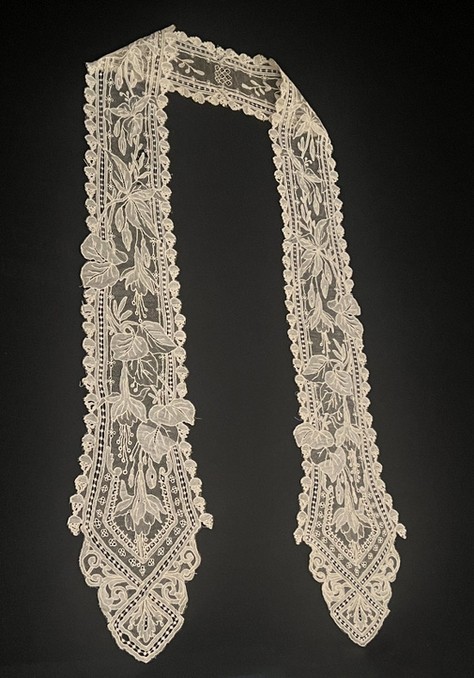
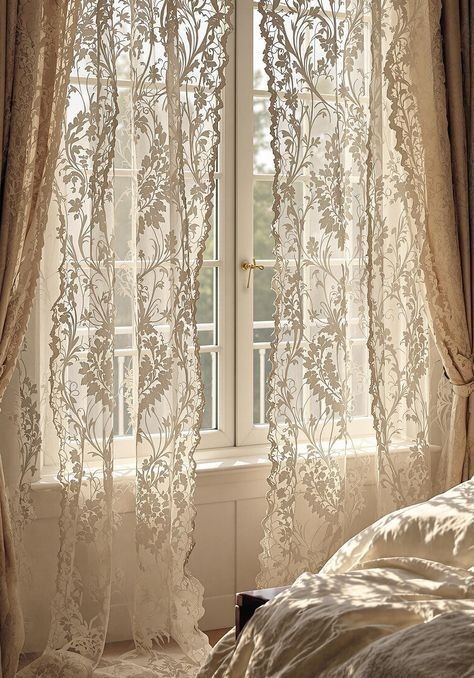
Long before lace became a staple of contemporary décor, its delicate structures began influencing how European interiors were imagined and inhabited. In Renaissance palaces and grand civic spaces, lace’s visual logic, its interplay of light and shadow, pattern and void echoed broader architectural ambitions of ornament and complexity. Although originally prized on collars and cuffs as a marker of aristocratic identity, lace soon found its way into the very fabric of interiors: as draped window treatments, table coverings, and bed hangings that softened formal spaces while projecting status and refinement.
This early migration from garment to dwelling was not accidental. In places like Venetian and Flemish homes, where needle and bobbin lace were produced with regional specificity, textiles became extensions of cultural identity, reinforcing societal hierarchies even within private rooms. Lace wasn’t just decoration; it was a spatial language that articulated wealth, taste, and the cultivated eye.
By the 17th and 18th centuries, when Venice’s Point de Venise and France’s silk bobbin laces achieved unprecedented artistic complexity, lace in interiors began to perform a dual role: it was both ornament and mediator. Against heavy damasks and carved wood, lace curtains filtered daylight into textured brilliance, producing a luminous softness that contrasted with polished surfaces and rigid architectural lines. In the baroque salons of Europe, lace-trimmed draperies and embroidered linens spoke to a desire for elegance without ostentation, layering tactile softness atop structural grandeur. With the Industrial Revolution came broader accessibility: machine-made lace allowed middle-class homes to appropriate this once-exclusive signifier of luxury, draping windows, upholstering furniture, and dressing beds with intricate openwork. The result was a democratization of texture that brought intimacy into interiors once defined by formality.
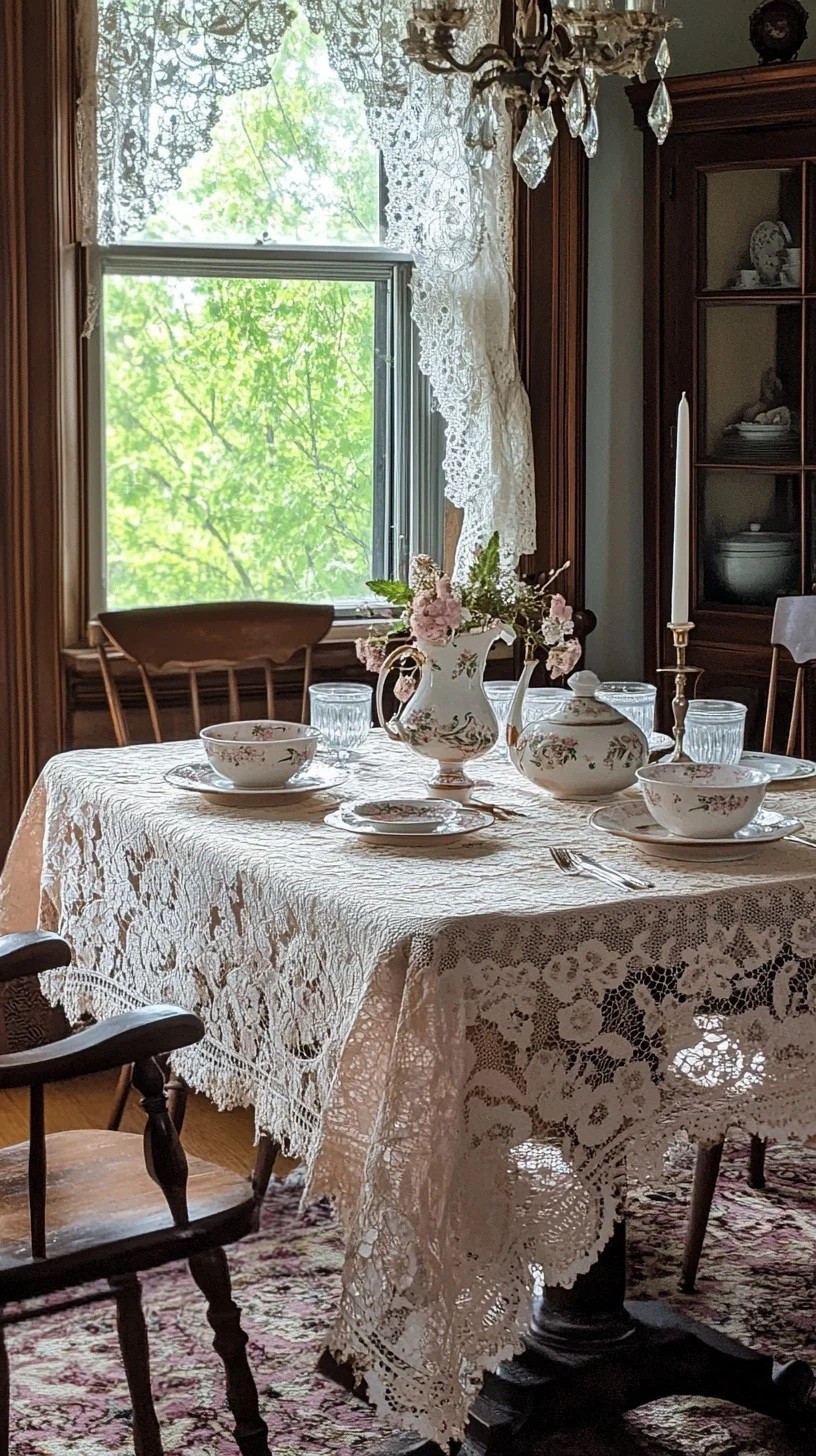

Elegant dining setup
Photo: stockcake
Photo: peggyvoir.com
Today, that legacy persists in both subtle and radical forms. Contemporary designers look to lace not just as a material but as conceptual inspiration. In Venice and beyond, artists are reimagining traditional lace techniques into architectural elements and furnishings that meld tactile softness with structural precision embedding lace patterns into ceramic tiles, furniture surfaces, even building façades that cast filigreed shadows by daylight. This resurgence positions lace as a bridge between past and present: heritage craftsmanship dialoguing with digital fabrication, tradition informing innovation. In interiors, lace no longer signals only nostalgia or femininity; it modulates atmosphere, infusing spaces with texture, contrast, and narrative depth, proving that a craft born of thread can still shape how we perceive light, space, and domestic life.
A remarkable dimension of lace’s 2026 resurgence is how it interacts with modern minimalism. In the 2010s and early 2020s, minimalist interiors dominated design discourse, emphasizing restraint, neutral palettes, and visual reduction. But minimalism’s refinement often risked sterility spaces that were visually quiet but emotionally barren.
What designers are discovering is that lace can complement minimalism without diluting its clarity. Lace’s delicacy does not disrupt simplicity; it enriches it. In fact, by layering lace into minimalist frameworks, designers create a new hybrid language, one where restraint meets tactility, structure meets softness.
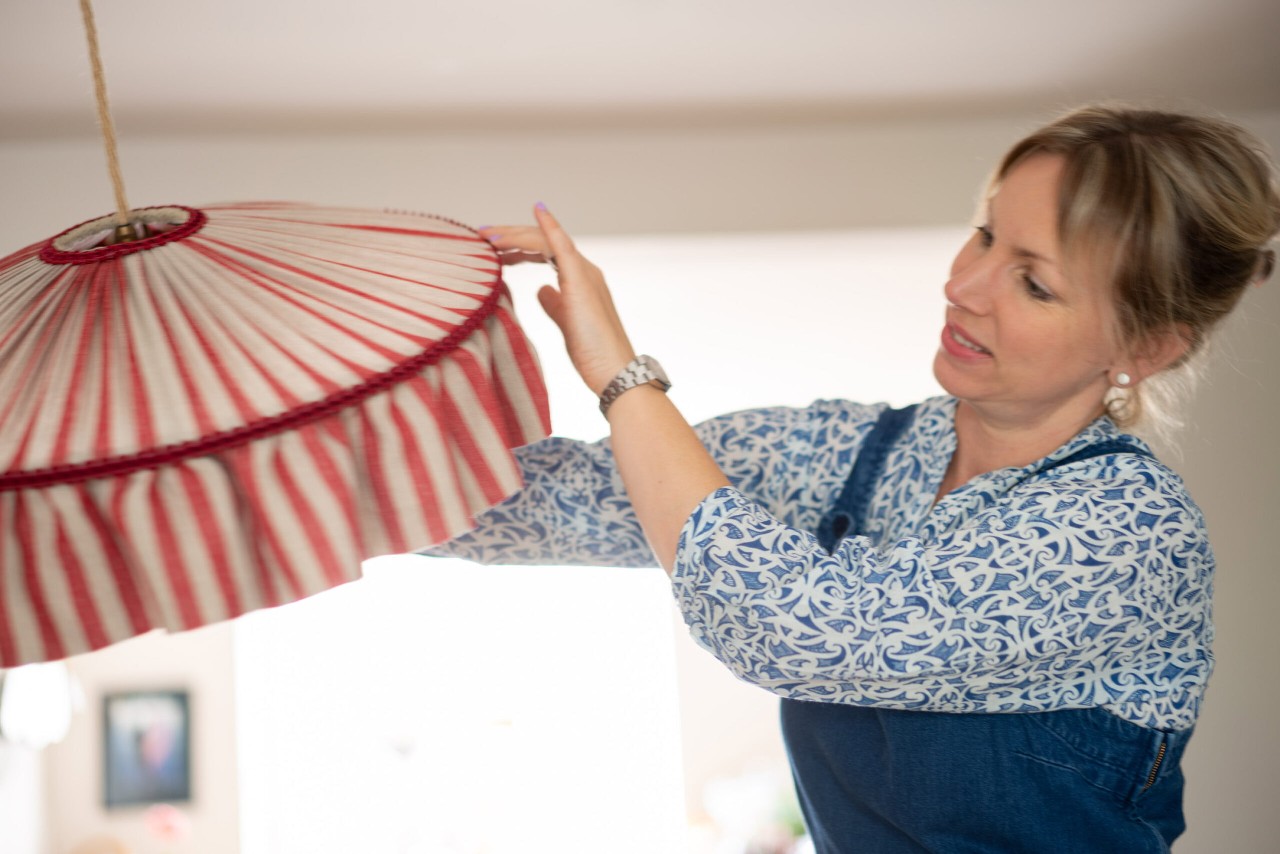
Alice Moyland
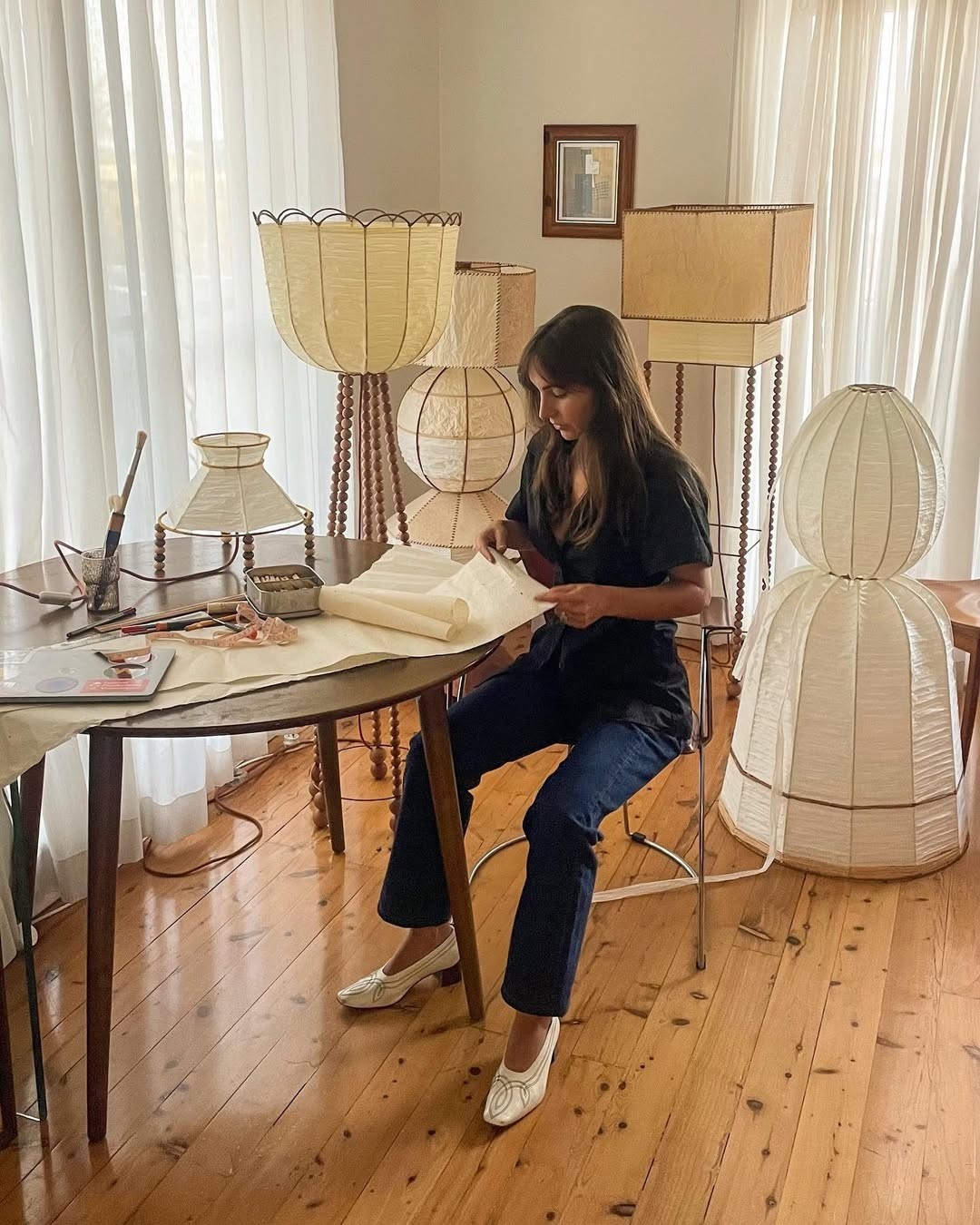
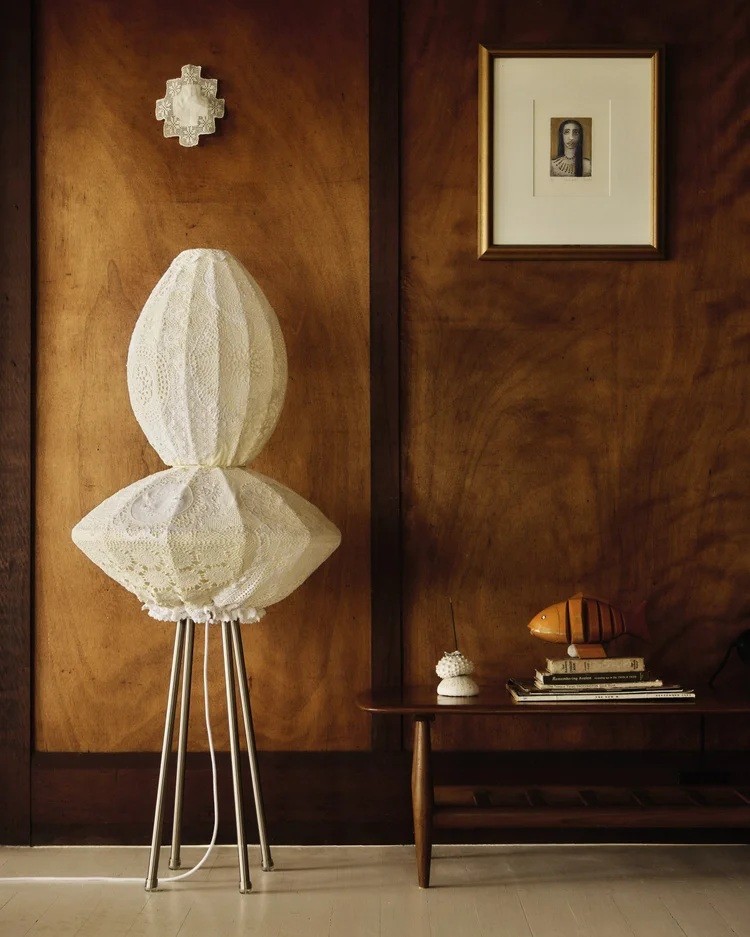
Take, for example, the work of Alice Moyland, Creative Director of Beauvamp. Moyland’s ruffled fabric lampshades inspired by the fluid glasswork of Louis Comfort Tiffany’s Art Nouveau oeuvre punctuate clean‑lined interiors with subtle, romantic gestures. These pieces do not overwhelm minimalist spaces; they contextualize them, offering a tactile punctuation that transforms emptiness into nuance. Suspended above a sleek dining table or flanking a brutalist coffee table, the lace ruffles do not compete with minimalism; they converse with it, adding softness while preserving clarity. In this strategic interplay, lace becomes a quiet focus, a detail that rewards attention rather than demanding it.
Similarly, Lucy Bathurst, founder of Nest Design, moves lace beyond its expected decorative function into an abstract spatial grammar. Applying lace and embroidered textiles in geometric compositions that she terms “Mondrian lace” Bathurst allows horizontal and vertical lines to interact with architectural elements such as glazing and sightlines. The result is not nostalgic whimsy but spatial rhythm: lace interpreted as compositional logic rather than surface ornament.
These approaches illustrate a fundamental shift: lace is no longer a decorative accent; it is a strategic design element that dialogues with space, light, and form. It complements minimalism by introducing controlled complexity: patterns that enrich without cluttering, textures that soften without overwhelming.
Everyday Elegance and the Democratization of Craft
Another key development shaping lace’s role in 2026 interiors is its integration into everyday life. Historically, lace was reserved for special occasions and heirloom textiles, something admired in ceremonial contexts but rarely woven into daily routine. The wisdom of “save the good linens for special occasions” prevailed for generations.
Today, designers and tastemakers are rewriting that script. Influencers like Laila Gohar, known for her playful, surrealist textile work, champion the idea that everyday moments deserve beauty. Gohar’s philosophy “every day is special” argues that quality textiles, lace‑trimmed linens, and embroidered objects should blend into ordinary life, not be shelved away for guests or holidays.
In 2026 interiors, this approach manifests in bedrooms, dining rooms, and even bathrooms where lace accents are integrated into daily use objects. Broderie anglaise bedding layered over minimalist bed frames creates a tactile contrast that invites touch and slow sensory engagement.
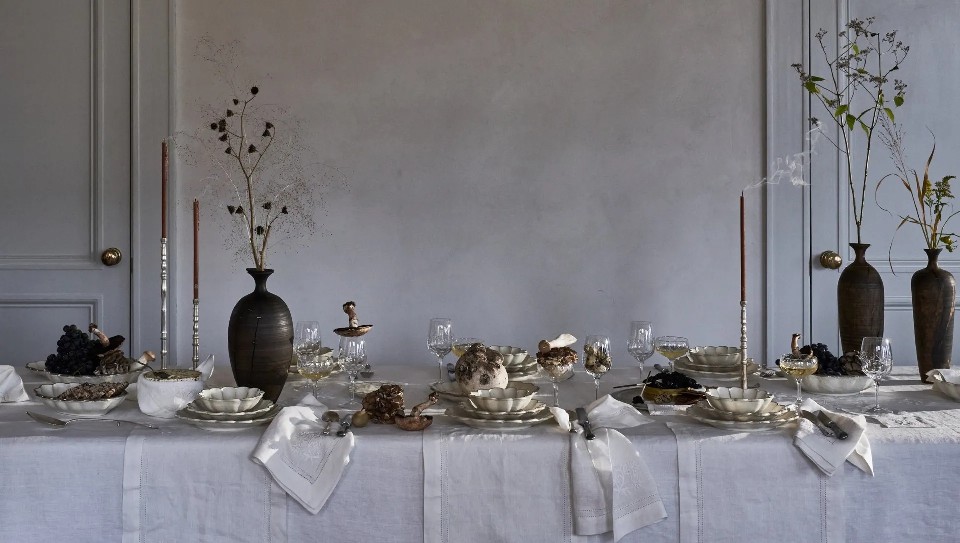
Lace‑trimmed table linens and embroidered napkins elevate routine meals into moments of intentional delight. Even shower curtains and towels once purely functional incorporate lace‑inspired patterns that diffuse light, soften surfaces, and extend texture into spaces often dominated by cold materials.
This integration of lace into everyday contexts reflects a deeper cultural shift toward emotional sustainability designing spaces that support wellbeing, delight the senses, and affirm the value of ritual. Lace’s tactile richness and its capacity to soften edges and communicate warmth becomes a daily comfort, not an occasional luxury.
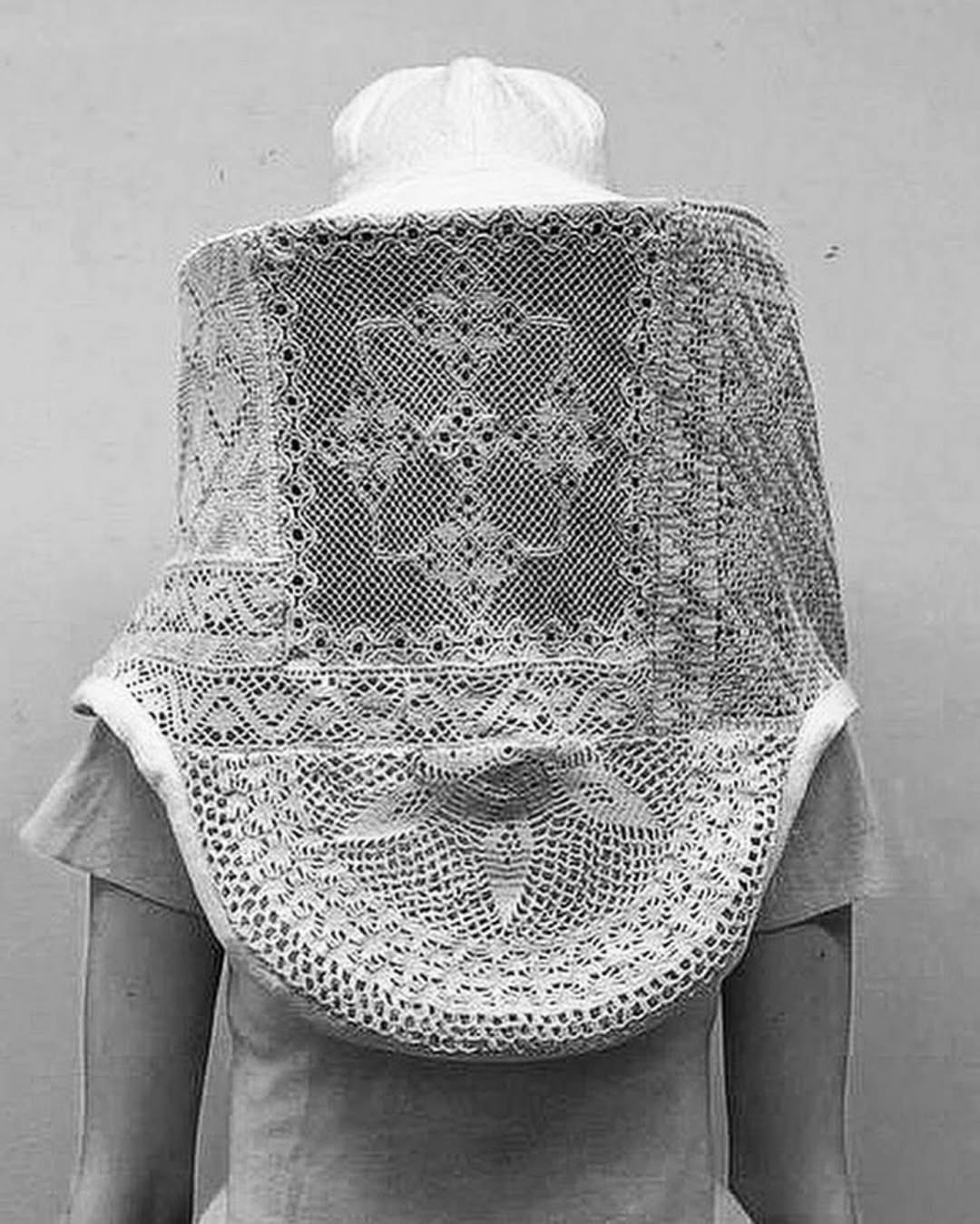
Perhaps the most fascinating aspect of lace’s 2026 trajectory is how it transcends traditional material boundaries.
Architectural elements now reference lace’s openwork vocabulary in perforated metal partitions, laser‑cut wood panels, and textured wall treatments that modulate light and privacy. These translated motifs do not mimic lace literally; they interpret its structural grammar voids as connectors, patterns as spatial regulators. In this respect, lace becomes a design system, not just a material.
In commercial interiors, such lace‑inspired screens and partitions allow spaces to feel connected yet discreet, fostering visual permeability while defining zones. In residential contexts, perforated panels inspired by guipure patterns introduce rhythm into corridors and transitions, creating sequences of reveal and concealment that enrich the experience of movement through space.
Even lighting design has embraced lace’s principles. Fixtures with openwork shades or perforated surfaces cast patterned shadows that animate ceilings and walls, turning light itself into a patterned atmosphere. In this conceptual domain, lace becomes not just texture but spatial orchestration, a logic of presence and absence that shapes perception rather than merely surface.
Laila Gohar
Photo: Instagram
What makes lace particularly relevant in 2026 is not just its aesthetic versatility, but its cultural symbolism. Lace carries historical resonance, an echo of craft, heritage, and human touch precisely at a moment when design culture is reexamining its relationship to authenticity and meaning.
In an age dominated by digital replication, generative design, and algorithmic surfaces, lace stands out because it remembers human touch. Even when machine‑made, lace evokes centuries of handwork, hours of labor, and the unique irregularities of human craft. In interiors that might otherwise feel clinically designed, lace introduces emotion, memory, and slow presence. It communicates tactility in an era where touch matters more than ever not merely as sensation, but as an antidote to the flattened experiences of digital life.
This cultural dimension resonates with broader 2026 interior trends that value narrative and emotional clarity over sterile visual refinement. Lace supports interiors that feel alive, spaces that do not just serve function but invite dwelling environments that are experienced with the body and the mind, not just seen with the eyes.
Lana Launay
Photo: Instagram
Whether through translucent curtains that animate daylight, ruffled lampshades that punctuate clean architecture, geometric lace compositions that activate sightlines, or embroidered surfaces that elevate everyday rituals, lace enriches interiors with narrative depth and emotional resonance. It bridges craft and concept, heritage and experimentation, softness and structure.
In 2026, lace is no longer an accessory to design; it is a medium of atmosphere, memory, and understated drama. Its presence in interiors represents a convergence of historical craft, contemporary minimalism, and sensory richness. Lace articulates openness without emptiness, complexity without chaos, and tactility without ostentation.
Lace in 2026 is not a trend, it is a design language that speaks to the connection between past and present, between surface and atmosphere, between human touch and spatial intention. In homes where every corner matters and every material contributes to the overall experience, lace brings a quiet poetry to interiors, a reminder that even the most delicate threads can weave meaning into the spaces we inhabit.
This article is an original editorial analysis produced by [DIBA magazine]
Research and references are used for contextual accuracy.