
|
EN
Subscribe to our Newsletter
The pixie cut is a timeless symbol of confidence and individuality. From classic Hollywood icons to modern style muses, this bold yet versatile hairstyle has continually redefined femininity, proving that simplicity, when worn with intention, can be powerfully expressive.
By the Editorial Staff
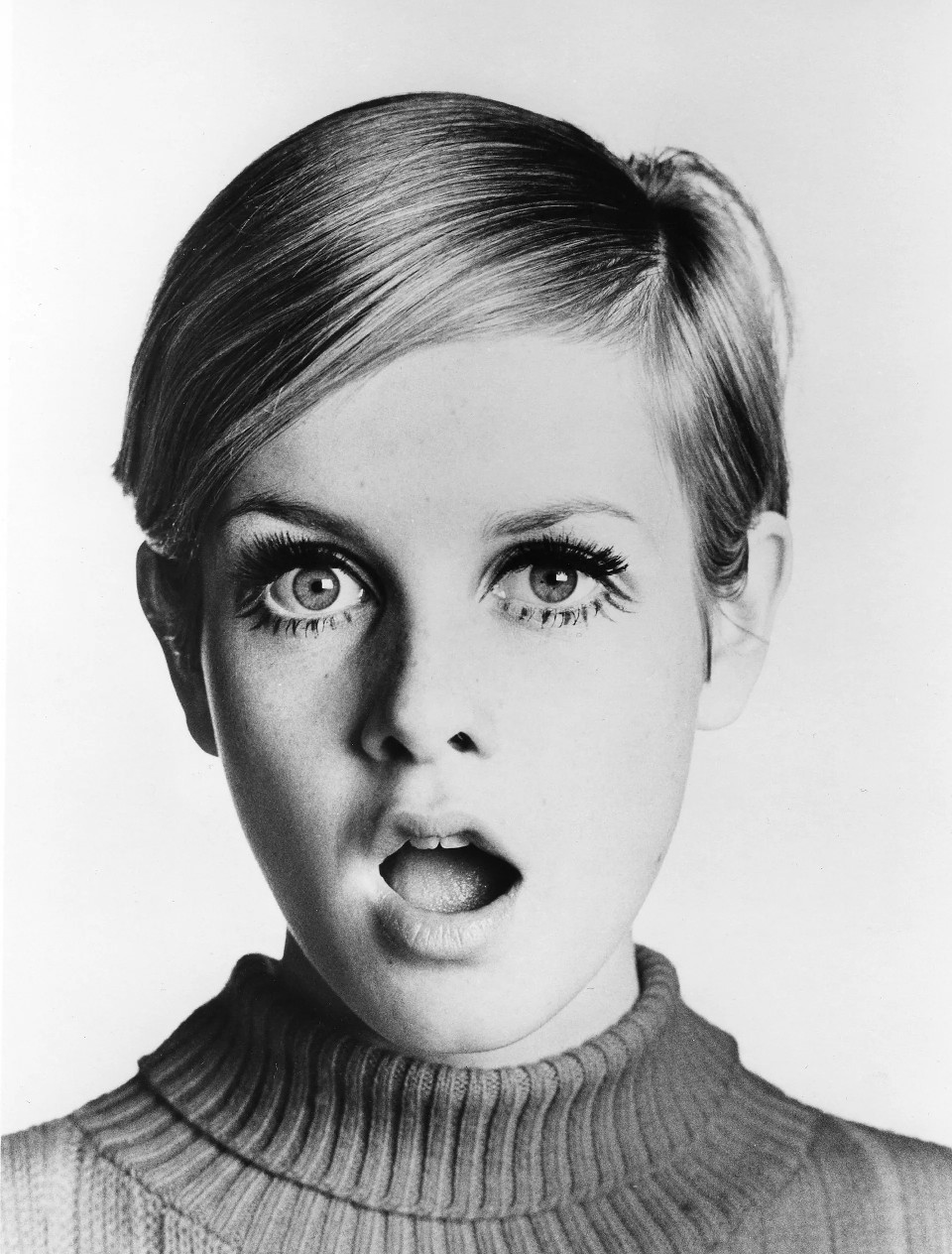
Photo: Getty Images
The pixie cut is more than just a hairstyle, it's a statement. From Pamela Anderson’s daring 90s look to Halle Berry’s sleek James Bond appearance, Emma Watson’s youthful twist, and Gwyneth Paltrow’s elegant simplicity, these women have each made the pixie their own. Popularized in the 1950s by Audrey Hepburn in Roman Holiday, and later embraced by icons like Mia Farrow, Twiggy, and Jean Seberg, the pixie has continually challenged conventional ideas of femininity. Short on the sides, slightly longer on top, with delicate bangs framing the face, this style combines boldness with versatility, allowing women to express personality, confidence, and creativity. Across decades, from Hollywood to royal circles with Princess Diana, the pixie has proven that a daring cut can redefine beauty standards, turning simplicity into an enduring symbol of empowerment.
The pixie cut didn’t start as a trend, it began as a break with tradition. Though short hair appeared on and off in the early 20th century, it was during the Roaring Twenties that women first began daring to chop their long locks significantly shorter, embracing a modern look tied to newfound social freedoms after World War I. In 1927, opera singer Mary Garden even wrote about her decision to cut her hair in Pictorial Review, calling it a “state of mind "rather than simply a new style.
But the hairstyle truly became recognizable as the pixie cut we know today in the 1950s. Audrey Hepburn’s iconic short hairstyle in Roman Holiday (1953) helped propel the look into popular culture, blending youthful energy with a refined elegance and nudging mainstream beauty standards toward shorter styles. In the 1960s, the cut evolved through the influence of fashion icons and models, becoming sharper and more associated with modernism and minimalist aesthetics. While fashion trends shifted over the following decades, the pixie repeatedly resurfaced in edgy 80s reinterpretations, in the confident styles of the 90s, and eventually into the present day as a symbol of individuality, ease, and bold self‑expression.
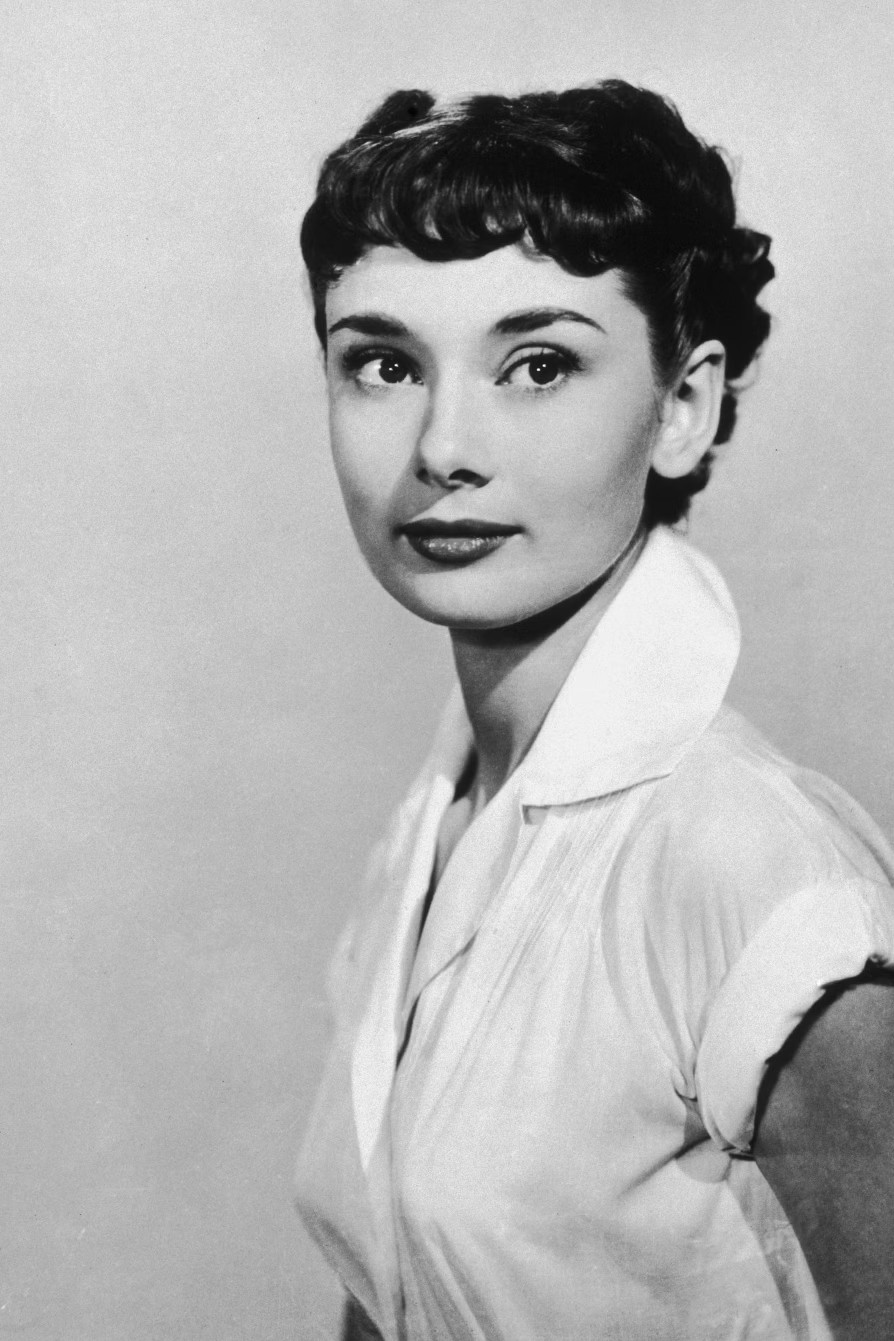
Photo: Getty Images
The pixie cut has endured as a timeless and iconic hairstyle because it combines bold expression with effortless charm. Its appeal lies in its ability to highlight facial features, accentuate bone structure, and give a fresh, confident edge that turns heads. Beyond its aesthetic value, the pixie cut is a confidence booster: clients often leave the salon feeling empowered and self-assured, as stylists Nick Latam and Sean Notter describe it as a thoughtful, transformative experience. While celebrities like Princess Diana famously embraced the style in the 90s, the pixie isn’t a casual decision, its maintenance and styling can be more involved than expected, and growing it out may require patience and planning.
Whether you prefer a soft, tousled pixie for a relaxed, youthful look or a sleek, structured silhouette inspired by vintage styles, this haircut offers versatility, freedom, and individuality. Its carefree styling means that with minimal effort and just a few products, you can enjoy a chic, polished appearance every day. With less hair to manage, it frees up time for fashion experimentation, accessorizing, or simply expressing yourself confidently. Fearless and expressive, the pixie cut continues to resonate with both celebrities and everyday individuals, proving that short hair can be as empowering, stylish, and versatile as any long-haired look.
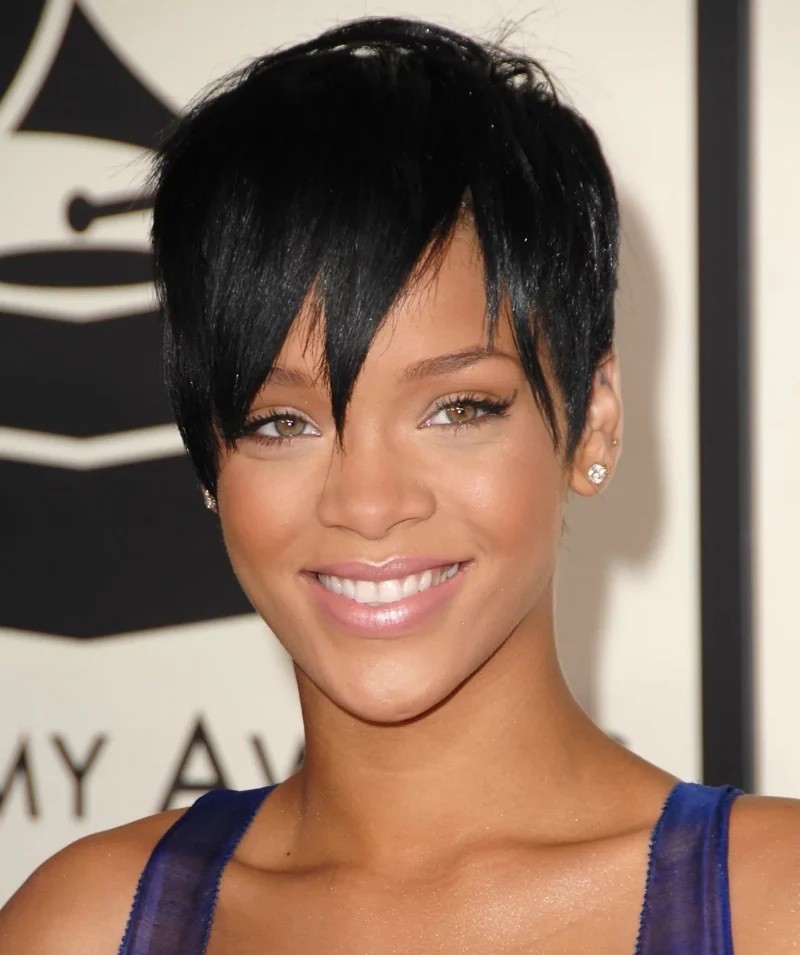
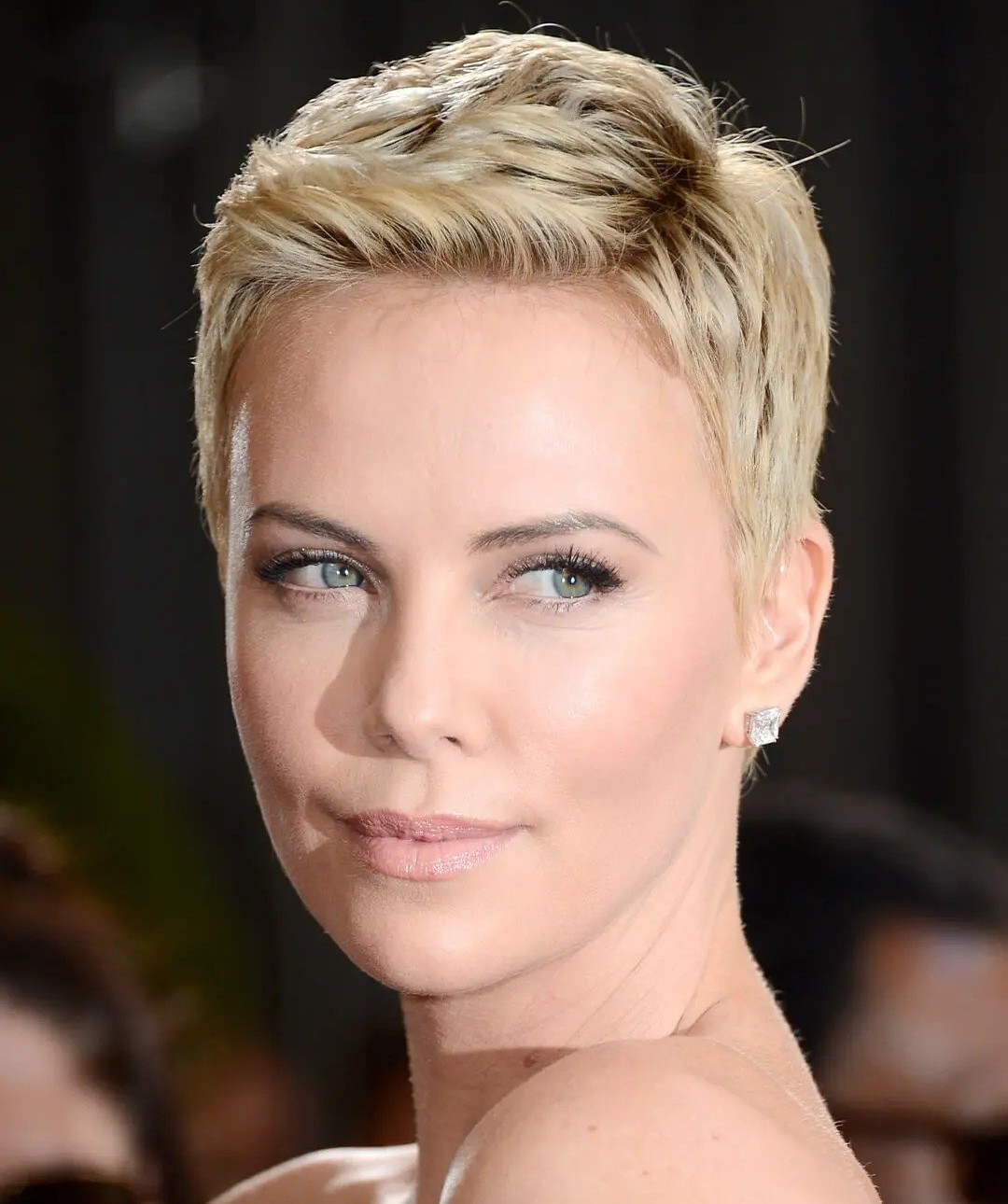
Photo: Courtesy Steve Granitz WireImage
Photo: ipsy.com website Charlize Theron
According to Barcelona Hair Academy, the pixie cut is a classic short hairstyle that can be adapted to suit a wide variety of people and personal styles. At its core, the pixie features closely cropped sides and back with slightly longer layers on top, but it comes in many variations from textured and tousled to sleek and polished so it can flatter almost any personality and aesthetic. A key point is that this style isn’t limited to a single face shape or hair texture; a skilled stylist can customize the cut to complement round, oval, heart‑shaped, or square faces, and tailor it for fine, thick, straight, or wavy hair. Because it’s customizable, the pixie cut is ideal for anyone who wants a chic, low‑maintenance look that enhances their features while allowing for expressive styling and individuality.
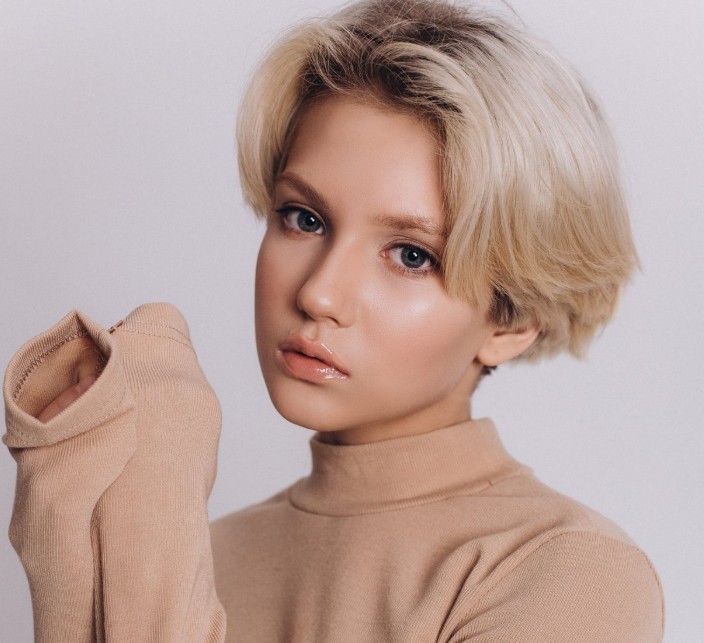
Photo: Pinterest
The pixie cut comes in a wide variety of popular styles, offering something for every personality and aesthetic. Classic pixies remain timeless with slightly longer top layers and soft sides, while bold versions feature shaved details or undercuts for a fashion-forward statement. Textured, choppy, or wavy pixies add movement and a playful, relaxed feel, and longer pixie-bob hybrids often called “bixies” provide a smoother transition from long hair. Adding bangs, side-swept fringes, or highlights gives extra dimension and softens the face, while vibrant colors like pink, ash-blonde, or emerald green inject fun and individuality. Low-maintenance pixies remain ideal for effortless styling, combining chic looks with practicality, proving that the pixie cut can be as versatile, expressive, and empowering as any hairstyle.
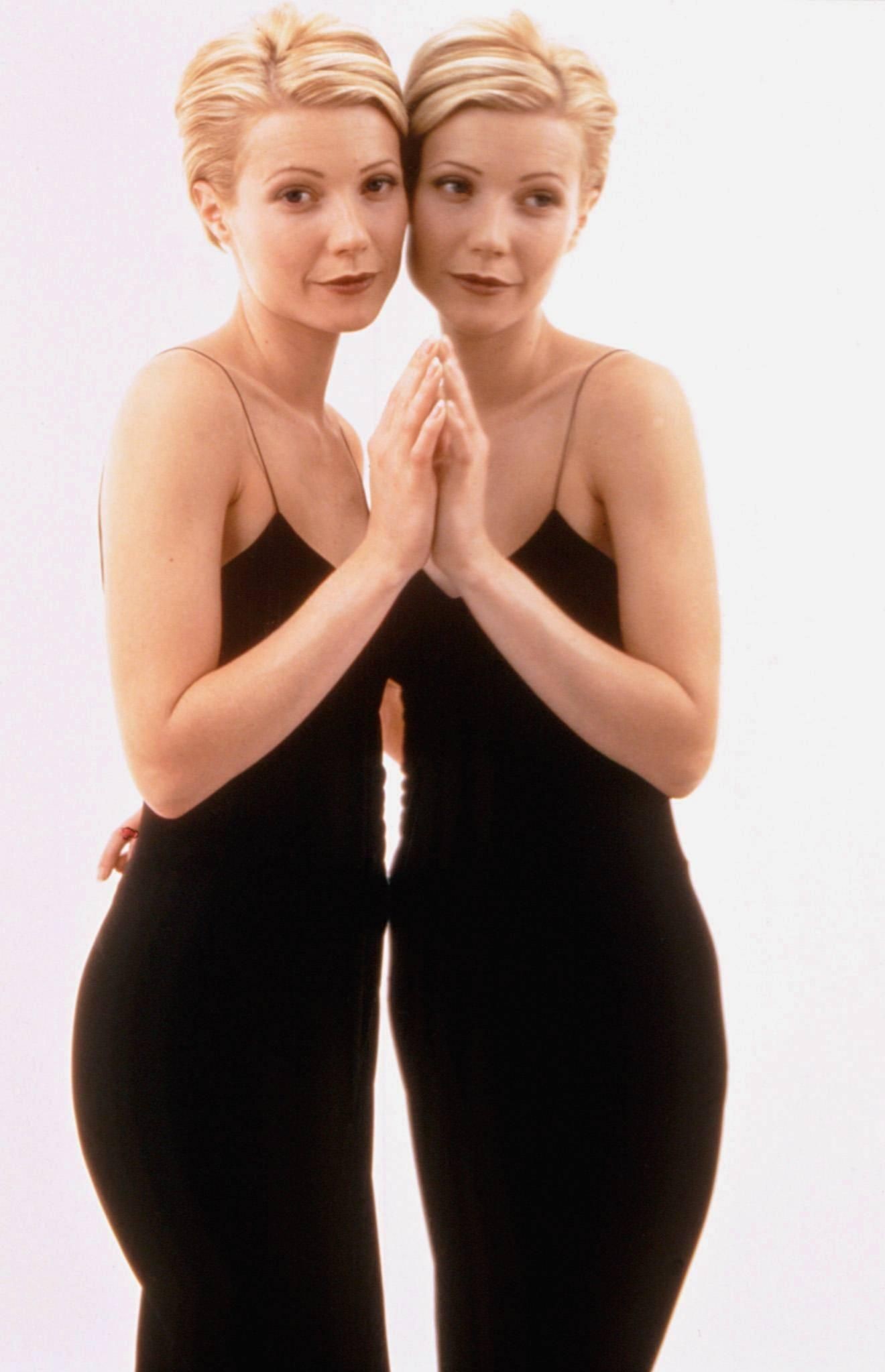
With its rich history, from the daring rebellions of the Roaring Twenties to Audrey Hepburn’s iconic 1950s look and Princess Diana’s unforgettable 90s style, the pixie cut has proven that short hair can be both timeless and transformative. Its versatility from soft, tousled textures to sleek, structured silhouettes, playful colors, and bold undercuts allows anyone to make it uniquely their own. Beyond aesthetics, it empowers, boosts confidence, and frees up time for creativity, fashion, and self-expression. So the question remains: could embracing a pixie cut be the bold, empowering statement your personal style has been waiting for, a way to redefine beauty on your own terms?
This article is an original editorial analysis produced by [DIBA magazine]
Research and references are used for contextual accuracy.