
|
EN
Subscribe to our Newsletter
Hair damage is cumulative and irreversible, shaped by chemical, mechanical, and environmental stress. While no product can truly repair damaged hair, effective hair care focuses on reinforcing structure, protecting the fiber, and managing damage intelligently to maintain resilience and appearance over time.
By the Editorial Staff
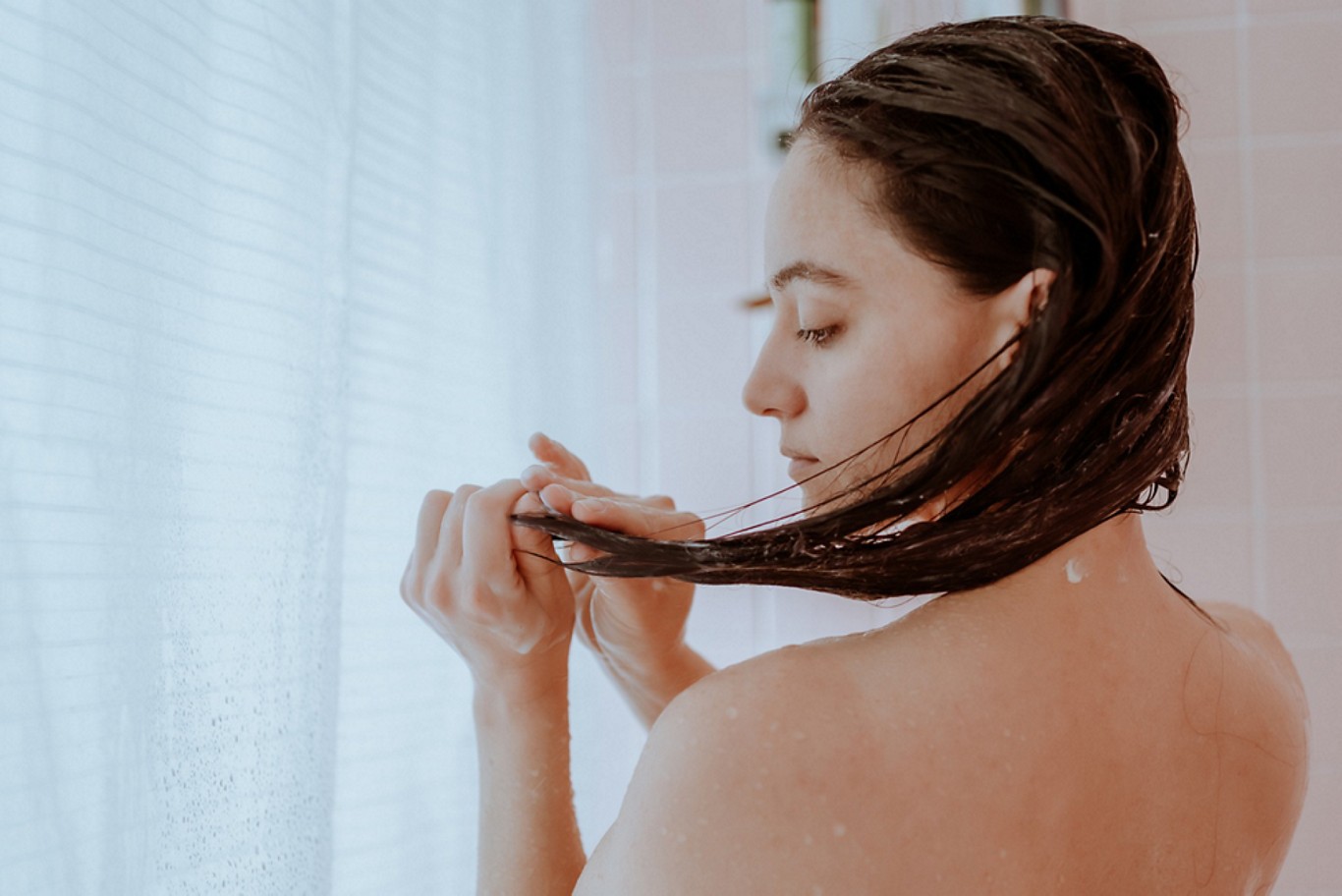
Photo: johnfrieda.com
Damaged hair is rarely the result of a single cause. Heat styling, colouring and bleaching, mechanical friction, environmental stressors, and even improper washing routines all contribute to the gradual weakening of the hair’s structure. Contrary to popular belief, no product can truly “heal” hair. Hair, once damaged, cannot regenerate itself.
What the right products can do, however, is far more realistic and far more valuable: they can restore functional integrity, reinforce weakened bonds, and protect the hair fiber from further deterioration. Effective hair care is not about reversing damage, but about managing it intelligently, supporting the hair’s performance, resilience, and appearance over time rather than chasing the illusion of instant repair.
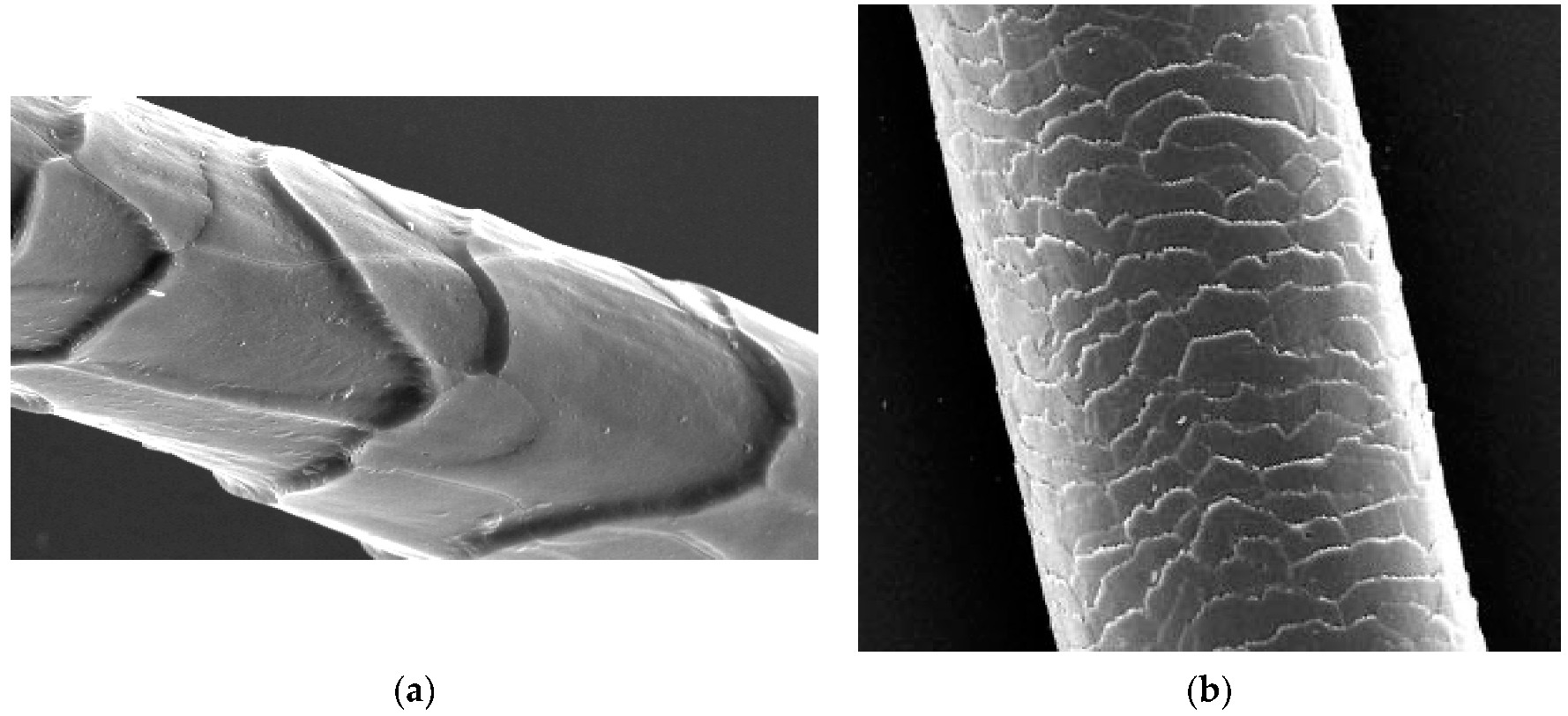
Cuticle damage occurs when the hair’s outer protective layer lifts or breaks down.
This makes hair more vulnerable to moisture loss, frizz, and breakage. Heat, chemical treatments, and mechanicala friction are the main causes.
Cortex damage happens when the inner layer of the hair shaft which gives hair most of its strength, elasticity, and pigment is compromised.
When those protein structures and bonds break down from things like heat or chemicals, hair becomes weak, brittle, and prone to breakage.
This type of damage often can’t be truly “repaired,” only managed or trimmed.
A protein lipid imbalance in hair happens when the natural ratio between structural proteins (like keratin) and protective lipids is disrupted. Hair proteins give strength and elasticity, while lipids form a moisture‑sealing barrier on the hair shaft; when this balance is off, hair can feel dry, brittle, or overly stiff. Too much protein or too few lipids can both compromise hair’s resilience and smoothness, making it more prone to breakage and frizz.
No product can truly “heal” damaged hair, but the right formulas can make a measurable difference. By balancing proteins and lipids, they help restore the hair’s natural structure and moisture barrier, reinforcing strength and elasticity. Products rich in hydrating lipids smooth the cuticle, reducing frizz and shine loss, while protein-enriched treatments reinforce the cortex, minimizing breakage. Over time, consistent use of well-designed hair care helps hair perform better, feel healthier, and resist further damage, turning management into a visible, lasting improvement.
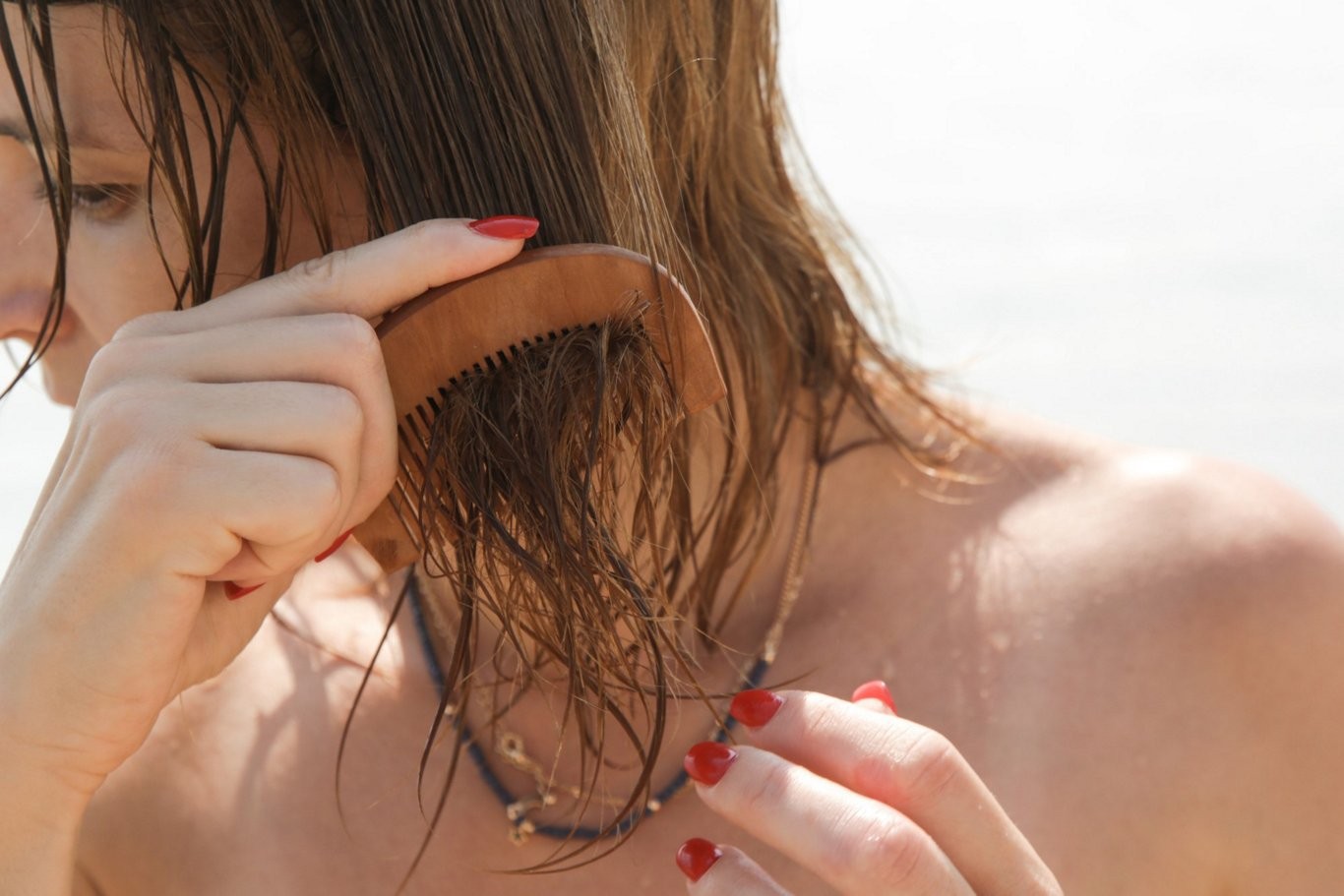
Photo: johnfrieda.com
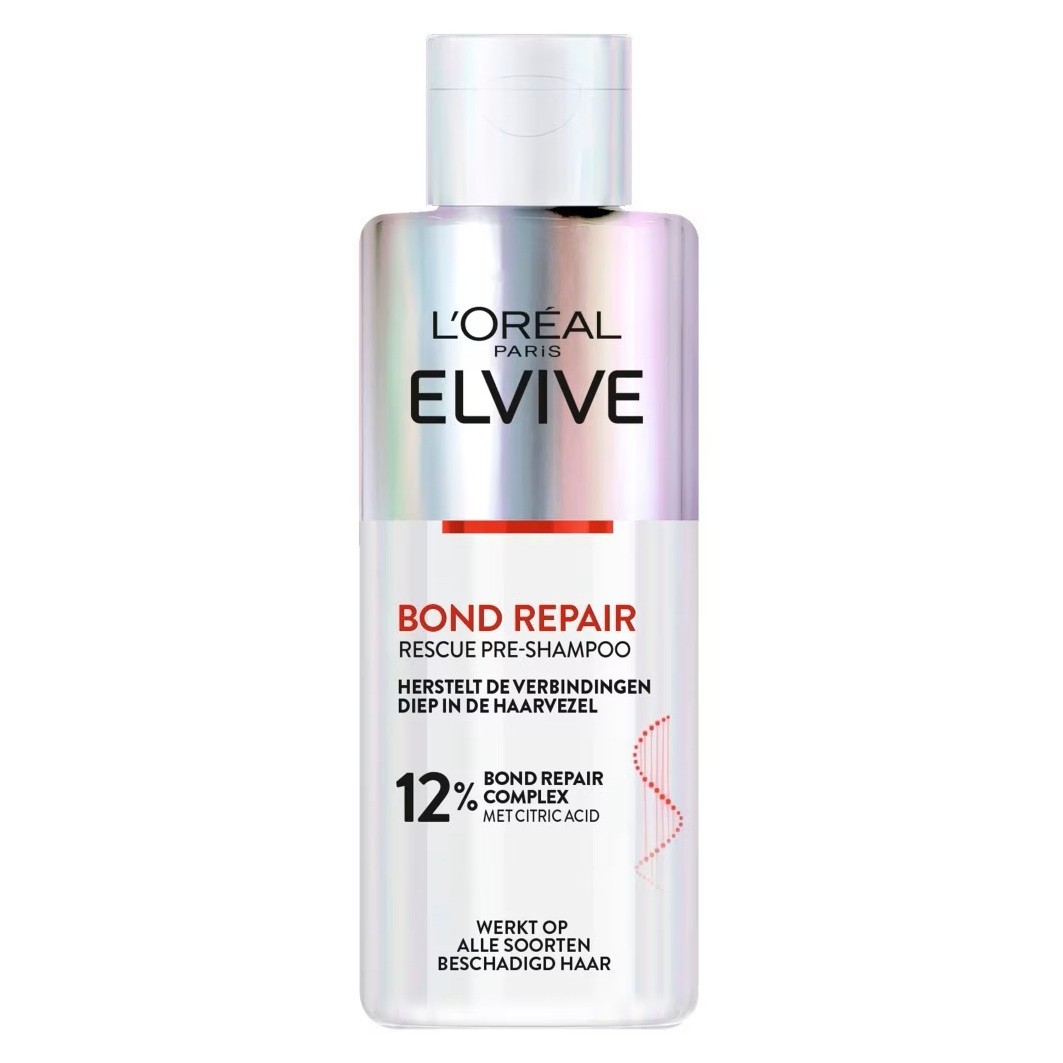
In her 2024 Bond Building Myth Busting piece, Helene Hine, Global Insights & Innovation Manager for Croda Beauty, explains that bonding treatments work by penetrating the hair shaft and helping to restore internal protein links that are broken by heat, chemicals, or environmental stress, ultimately strengthening hair at a structural level rather than just coating the surface.(Croda Beauty) For an accessible, budget‑friendly option that introduces beginners to bond‑supporting chemistry, the gentle yet effective L'Oréal Paris - Elseve Bond Repair Pre‑Shampoo helps fortify strands and improve resilience without breaking the bank. At the higher end, the iconic Olaplex No.3 Hair Perfector remains a salon‑tested favorite, using patented bond‑building technology to visibly strengthen and smooth even chemically stressed hair over time.
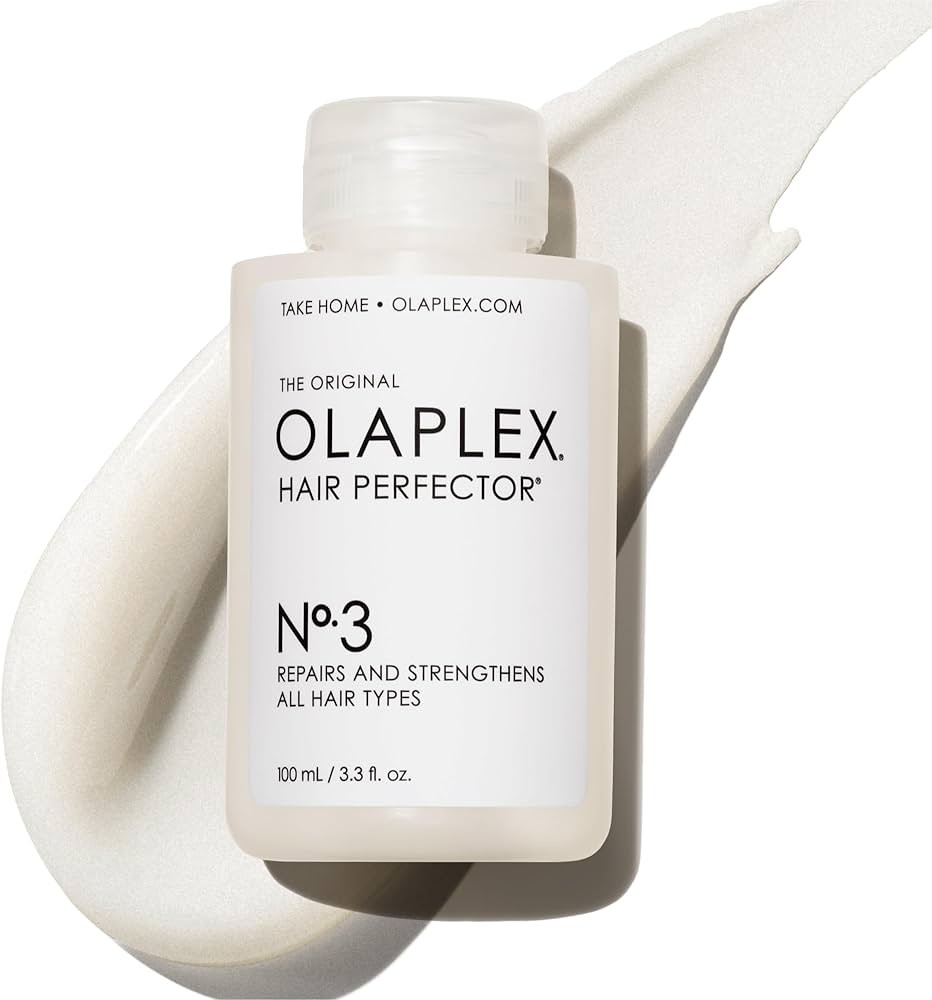
Olaplex No.3 Hair Perfector
Loreal Bond Shampoo
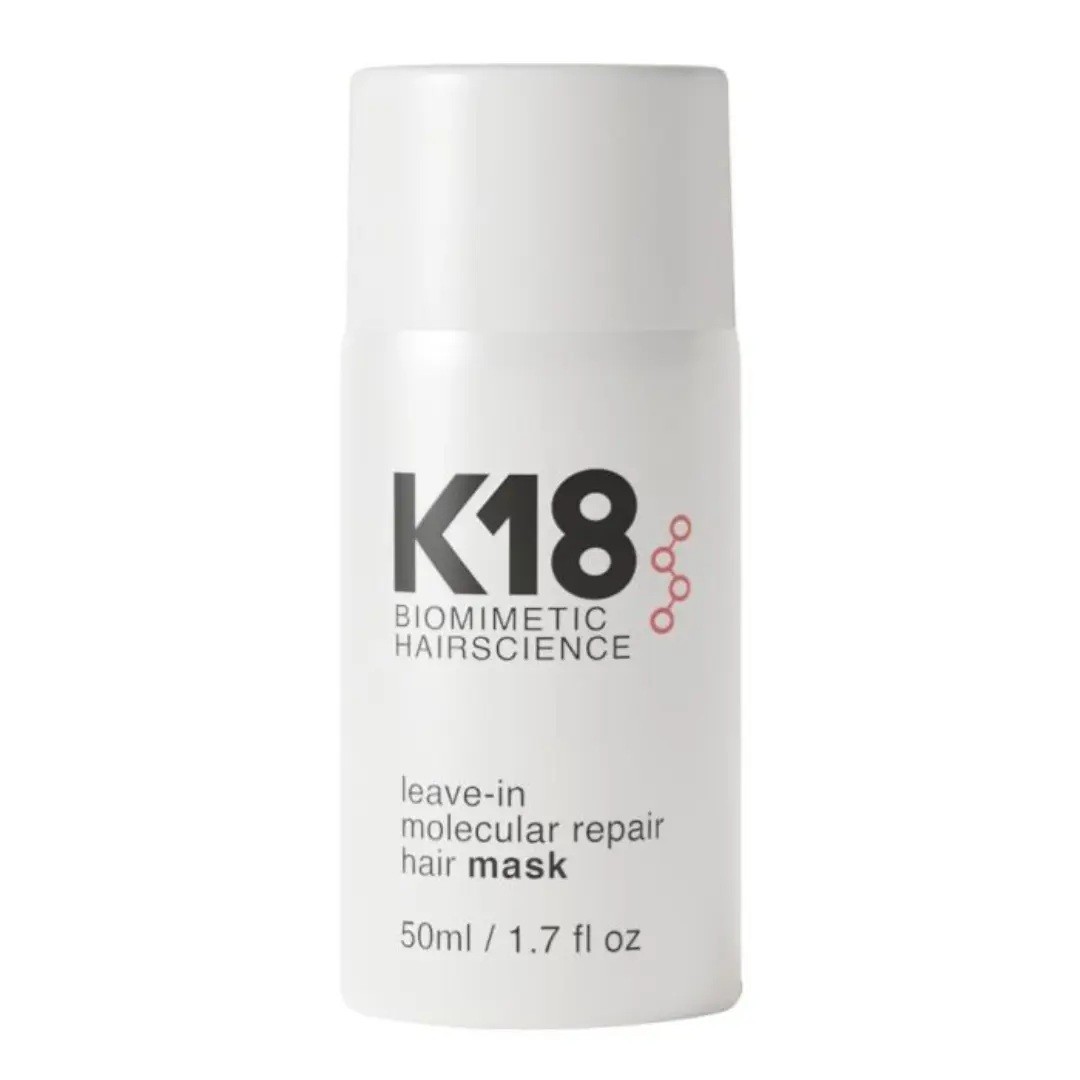
Protein treatments work by replenishing essential building blocks that hair loses through damage, helping to fortify weak strands, improve elasticity, and add natural shine and body without smoothing them like keratin does. When used thoughtfully as part of a care routine, they can make fragile or chemically treated hair feel stronger and more resilient by reinforcing its internal structure rather than merely coating the surface. For those experimenting with protein on a budget, Musthave Hair Protein Drops offers an affordable way to boost protein levels and support strand strength, while on the higher end the beloved K18 Hair Leave‑In Molecular Repair Mask employs advanced peptide technology to help rebuild broken protein chains and improve overall hair performance. Too much protein can overload hair, leading to dryness and increased breakage.
Hair Cortex
K18 Hair Leave-In Molecular Repair Mask
Lipid & Moisture Restorers
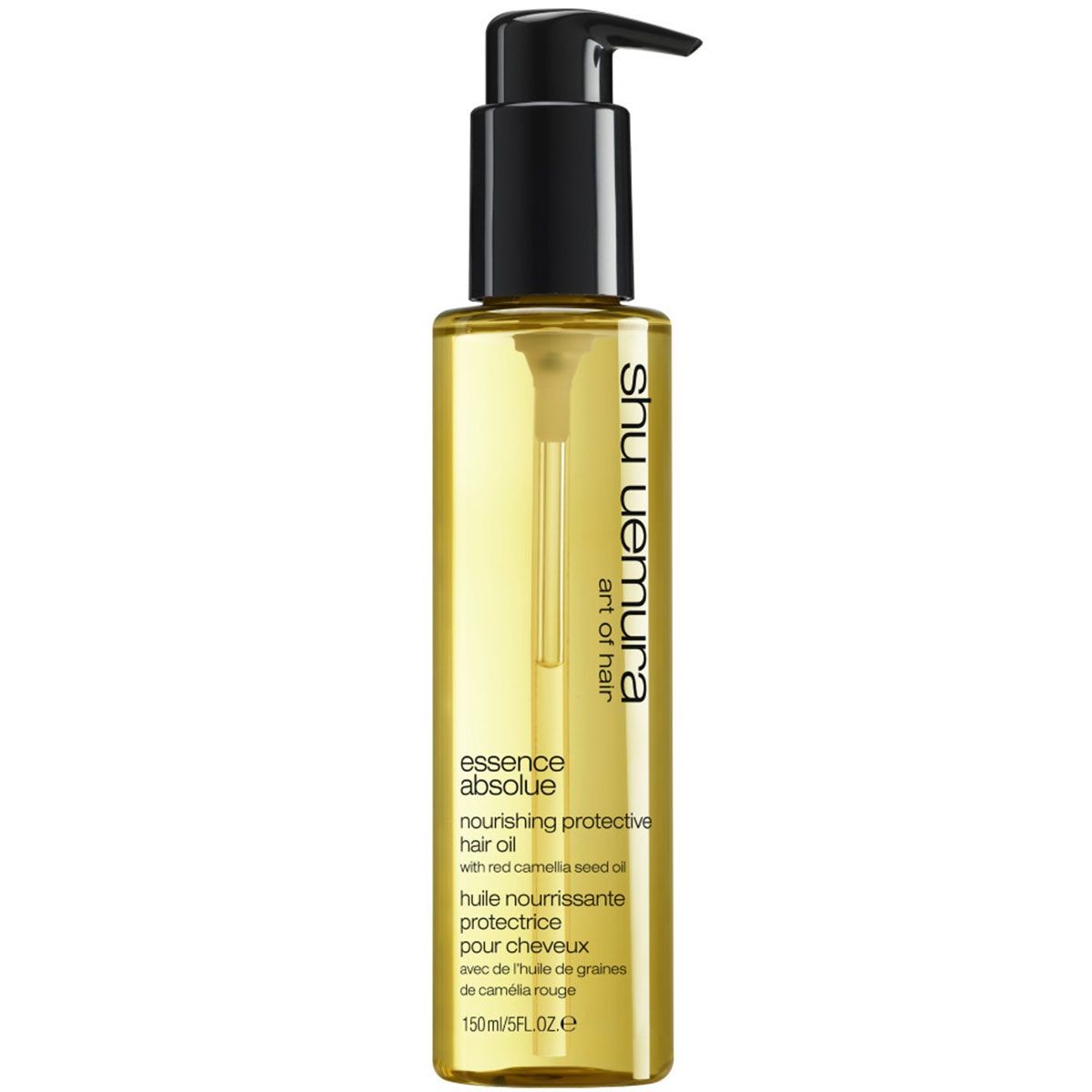
Lipid and moisture restorers help rebalance the hair and scalp’s natural hydrolipid barrier, which seals in hydration and protects against dryness, frizz, and breakage. When this barrier is disrupted, using the right products can reinforce it: for an accessible option, African Pride Olive Miracle Leave‑in Conditioner delivers lipid-rich moisture to dry strands, while the luxurious Shu Uemura Essence Absolue Nourishing Protective Hair Oil deeply conditions and shields hair from environmental stress. A high-quality hair oil should contain ceramides, argan oil, and squalane to nourish, strengthen, and protect hair from dryness and environmental damage.
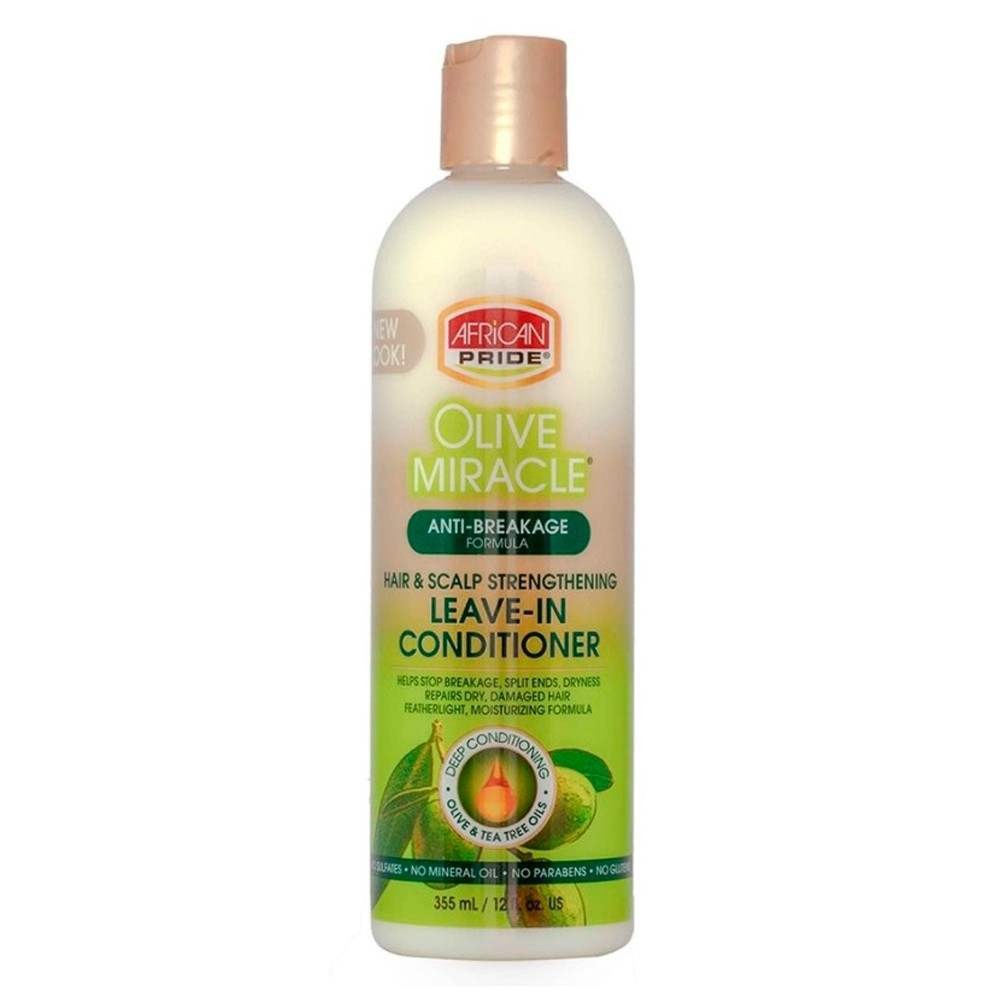
African Pride Olive Miracle Leave-In Conditioner
Shu Uemura Essence Absolue Nourishing Protective Hair Oil
Leave-in & Heat Protection Products
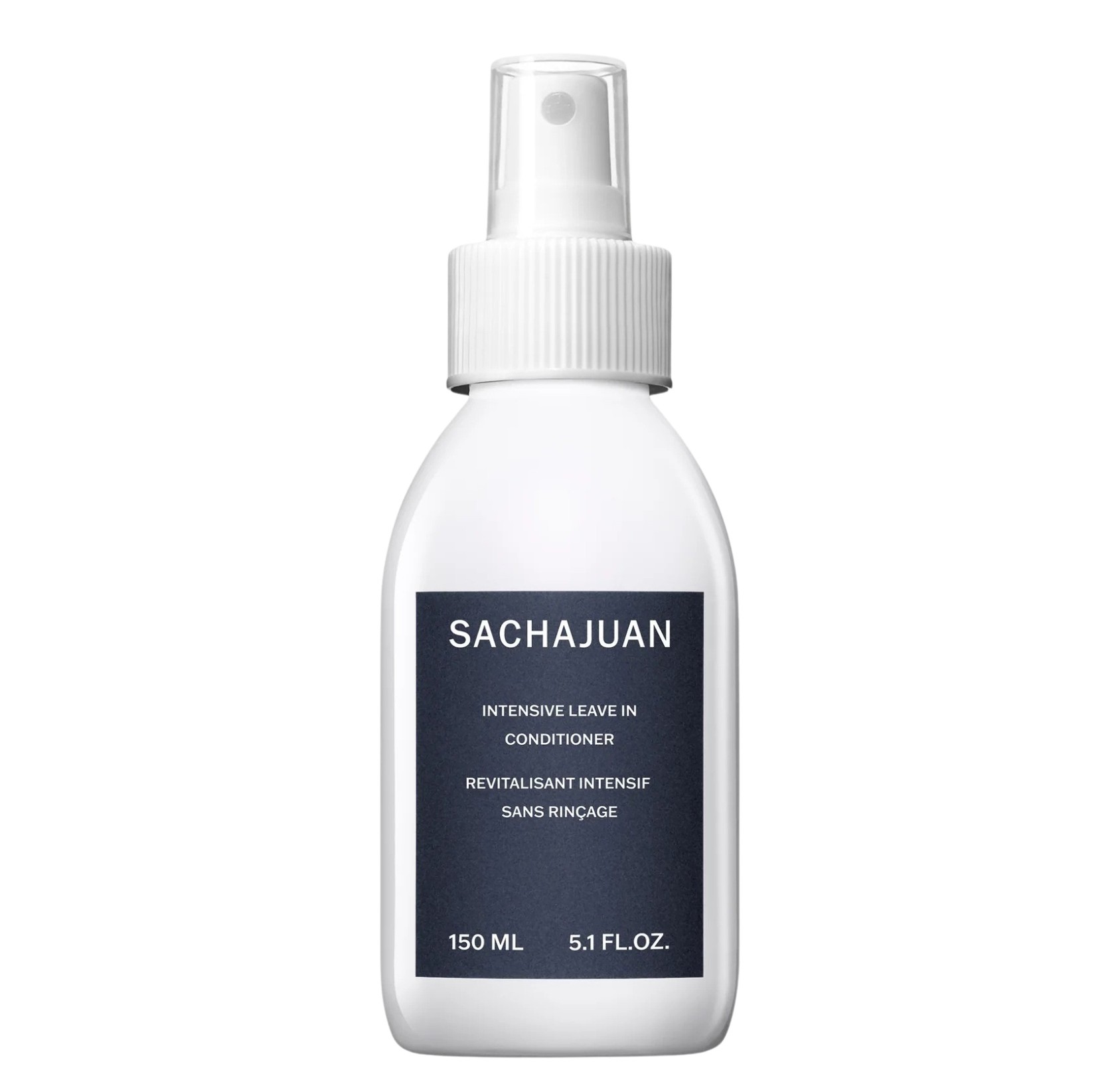
Leave-in conditioners aren’t optional extras, they’re essential. Without proper heat protection, no repair treatment can truly last, and these products do more than moisturize: they stop damage in its tracks, reinforcing strands, improving elasticity, and smoothing frizz. For an accessible, everyday option, Shea Moisture Hydrate + Repair Multi‑Action Leave‑In Conditioner keeps hair soft and resilient, while for a premium, high-performance choice, Sachajuan Intensive Leave‑In Conditioner delivers deep conditioning, shine, and long-lasting protection between styling sessions.
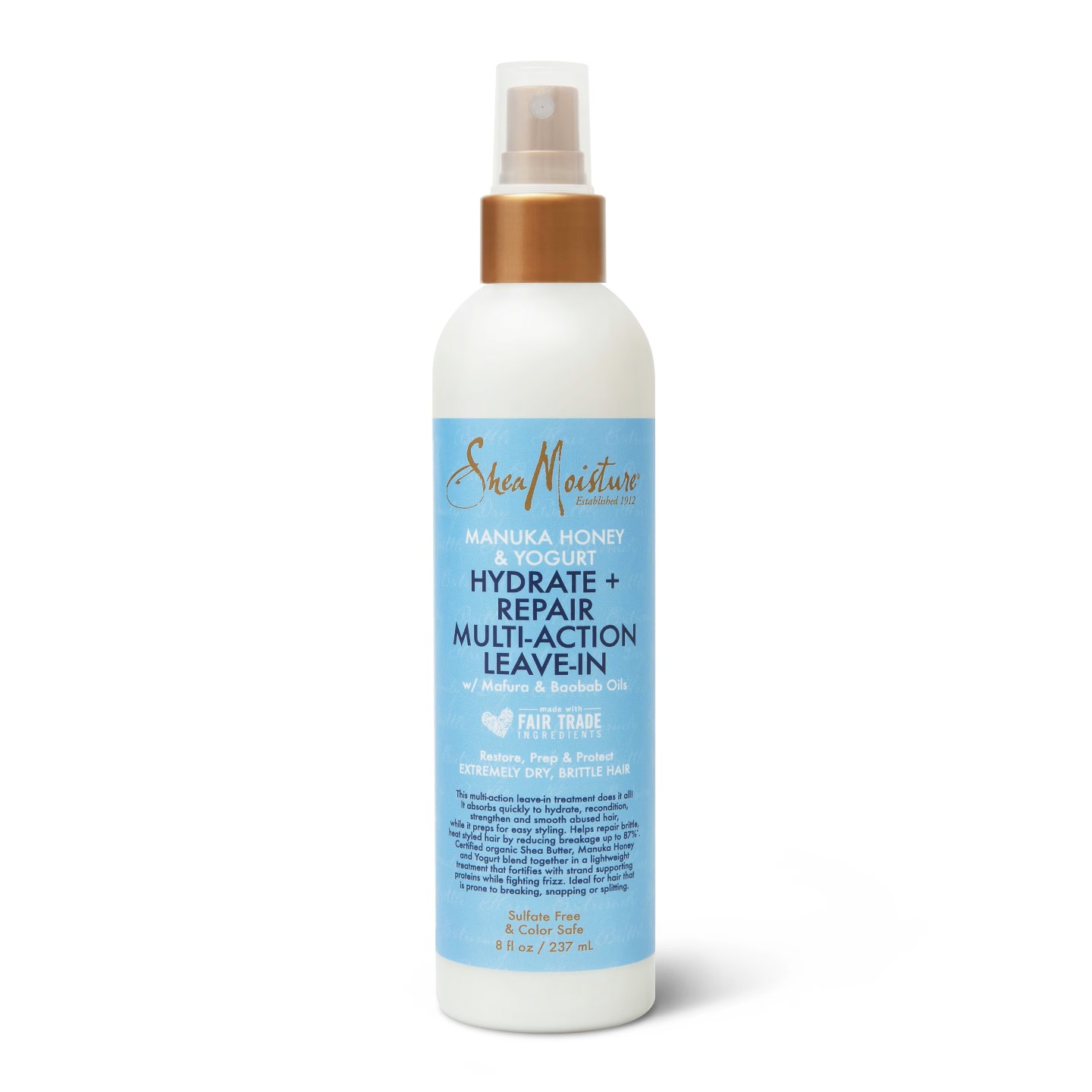
Shea Moisture Hydrate + Repair Multi-Action Leave-In Conditioner
Sachajuan Intensive Leave-In Conditioner
What makes a hair product truly “one of the best” isn’t its price tag; a high cost doesn’t automatically equal high performance. The real criteria are transparency, balance, and practicality: a great product clearly communicates what it does, maintains a thoughtful formula that balances protein and moisture, and works seamlessly within the user’s actual hair care routine. Most importantly, it doesn’t promise permanent repair; instead, it manages damage effectively, strengthens strands, and supports hair health over time, proving that efficacy and accessibility can go hand in hand.
The biggest mistake in treating damaged hair is assuming that all damaged strands are the same. Fine hair isn’t the same as thick hair, curly hair behaves differently from straight hair, and color-treated hair responds differently than heat-stressed hair. Each type has its own specific needs, and effective care requires recognizing these differences rather than applying a one-size-fits-all approach. Understanding your hair’s unique characteristics is the first step toward meaningful, lasting improvement.
The best products for damaged hair aren’t the ones that promise miracles; they’re the ones that understand the hair’s structure. True repair means balance, protection, and consistency not a return to the past, but a smart, forward-moving approach.
This article is an original editorial analysis produced by [DIBA magazine]
Research and references are used for contextual acc