
|
EN
Subscribe to our Newsletter
K-beauty makeup is redefining global beauty norms in 2026, prioritizing skin-first ingredients, subtle color, and natural feature enhancement. Moving beyond extremes like heavy coverage or minimalism, Korean makeup emphasizes texture, luminosity, and individuality. This guide explores how K-beauty is influencing makeup philosophy worldwide, offering insights into the trends, techniques, and brands shaping the future of cosmetics.
By the Editorial Staff
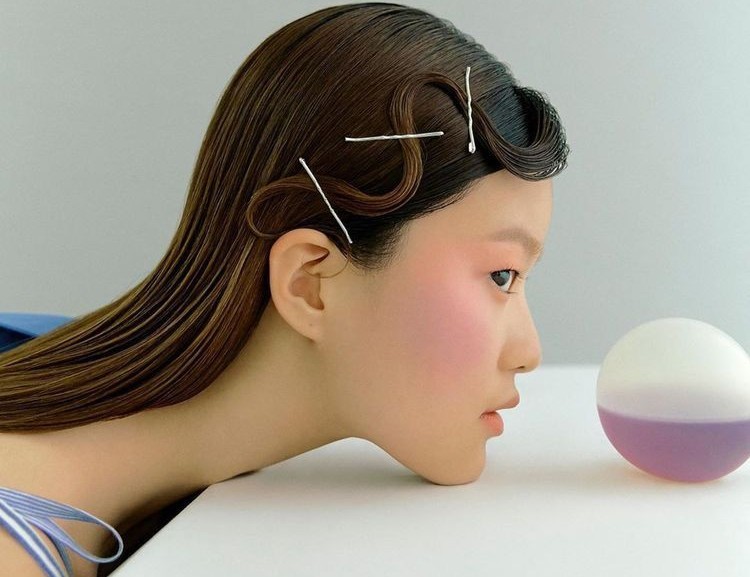
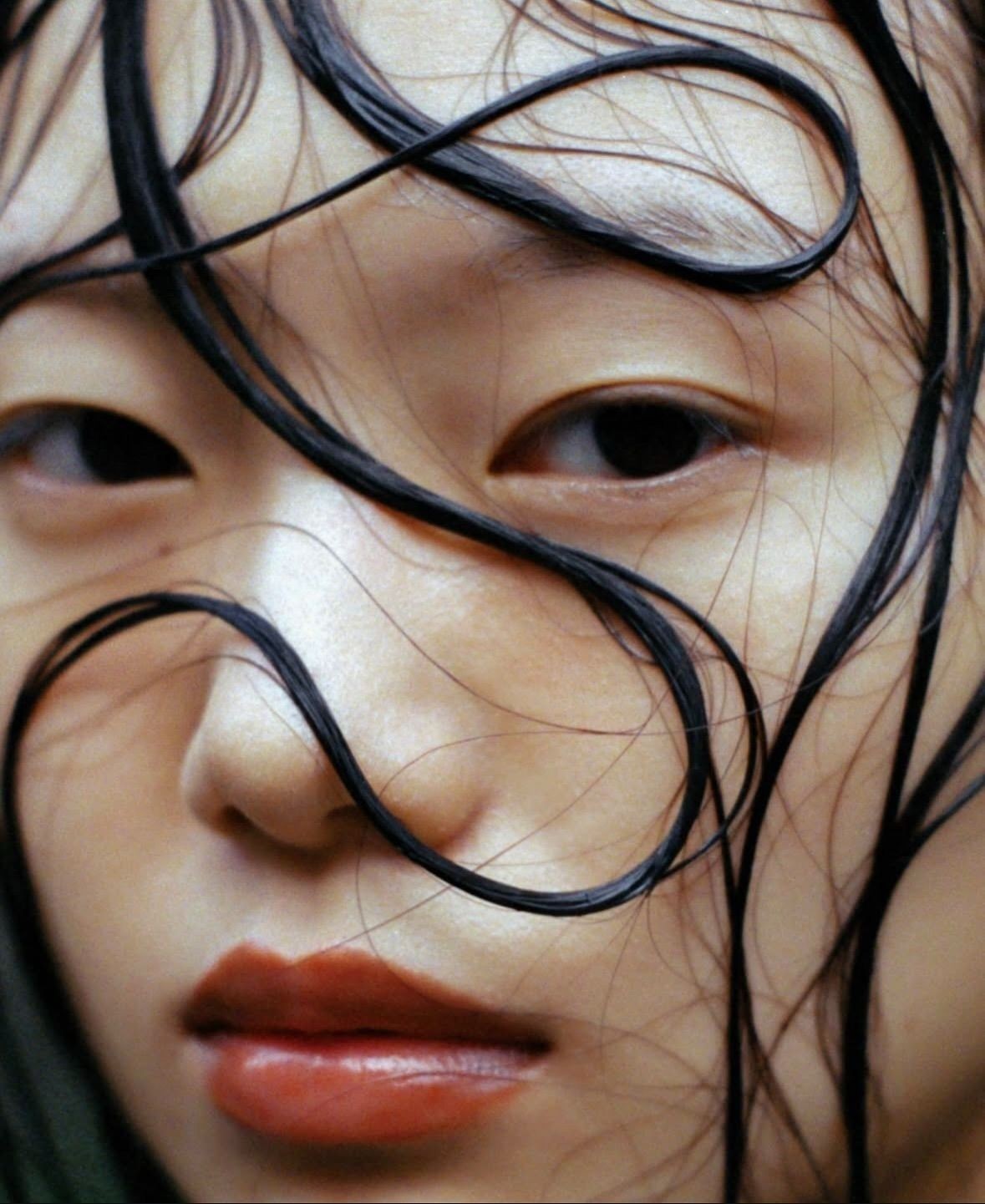
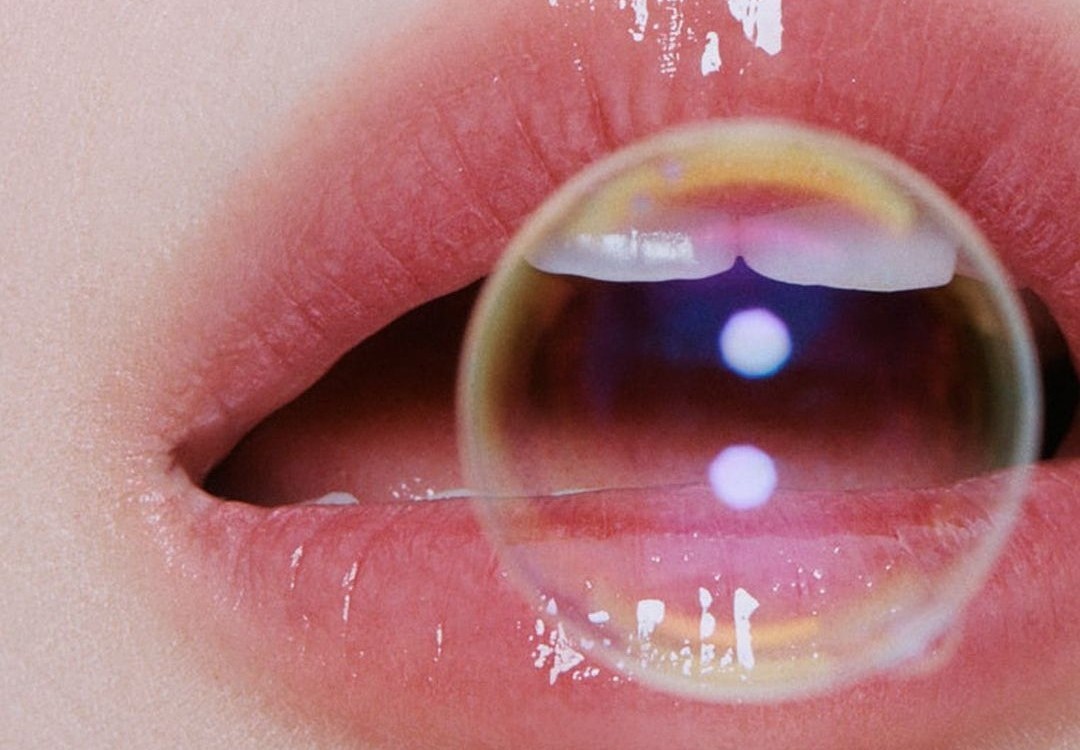
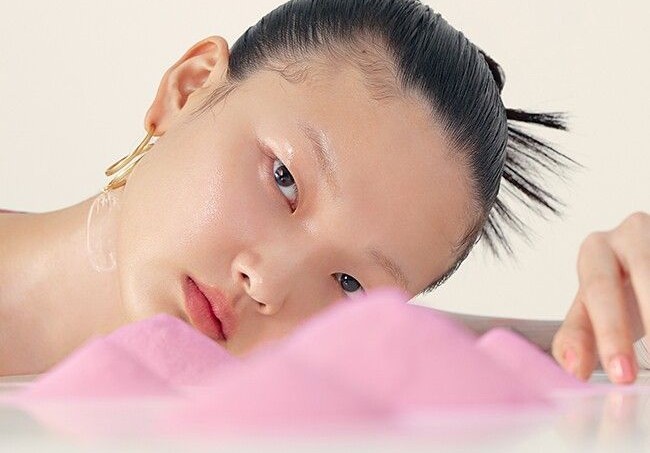
Photo: Getty Images, Pinterest
Korean beauty has quietly reshaped the global skincare landscape, but its approach to makeup is only just beginning to command the same attention. That shift is imminent. K-beauty makeup operates on a different logic, one that prioritizes skin intelligence, softness, and intention over extremes. Where Western beauty culture often oscillates between hyper-glam precision and the stripped-back “clean girl” aesthetic, Korean makeup lives in the in-between: nuanced, skin-aware, and quietly subversive.
Rather than correcting the face, K-beauty reframes it. Features often treated as flaws, under-eye shadows, natural texture, asymmetry, are not concealed but subtly illuminated. The philosophy isn’t about erasing signs of humanity, but about working with them. Makeup becomes an extension of skin care, guided by respect for the face as it is, not as it should be optimized.
Once the domain of insiders scrolling through niche retailers and overseas platforms, K-beauty has entered a new phase of global fluency. What was once discovered through specialist shops and word-of-mouth now shapes mainstream beauty conversations, from retail floors to algorithm-driven feeds. As education deepens and curiosity grows, Korean beauty is no longer a trend imported from afar, it’s a framework influencing how makeup is understood, worn, and valued. And as this perspective gains traction, its impact on the future of cosmetics feels not just likely, but inevitable.
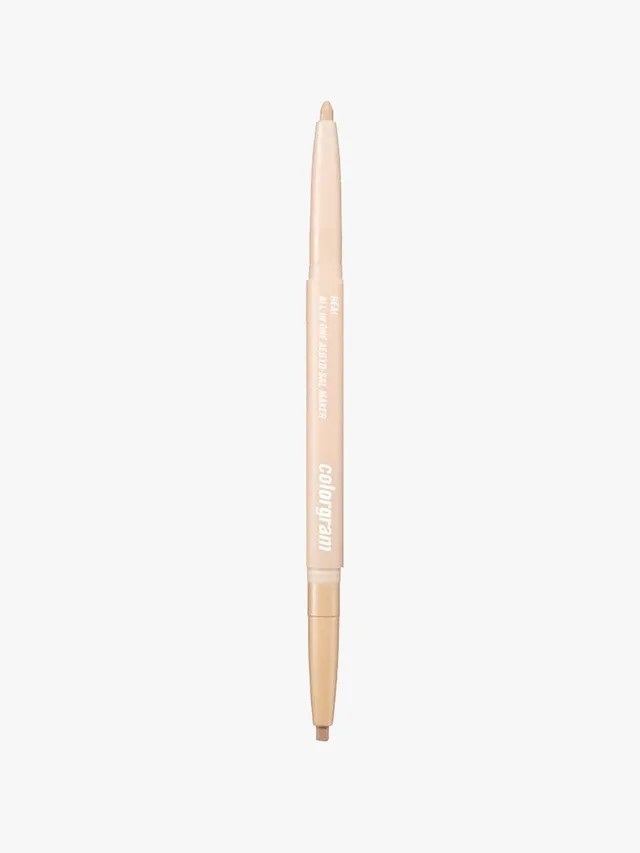
Speaking of education around Korean beauty, the conversation is expanding beyond products themselves to the artistry of application. Take a standout trend like Aegyo sal: TikTok tutorials demonstrating the technique have reached audiences well outside South Korea, some garnering over 60,000 views, signaling a growing global fascination. Now that K-beauty products are widely accessible, the question becomes: How do the tastemakers in Seoul truly integrate them into daily routines?
This article is an original editorial analysis produced by [DIBA magazine]
Research and references are used for contextual accuracy.