
|
EN
Subscribe to our Newsletter
The most iconic fashion photographs in history transcend trends, capturing defining cultural moments that shaped style, beauty standards, and visual storytelling across generations.
By the Editorial Staff
Fashion photography begins where fabric meets imagination. It is not merely the documentation of garments, but the staging of desire, identity, and power within a single frame. At its most transcendent, it becomes a visual language, one that speaks of aspiration, rebellion, fragility, and transformation. A fashion image can freeze a cultural mood in time, distill an era’s anxieties and fantasies, and translate them into light, shadow, and silhouette.
The most iconic photographs in the history of fashion do more than present beauty; they interrogate it. They question who is seen, how they are seen, and why it matters. In doing so, they influence standards of attractiveness, reshape narratives of gender and individuality, and redefine the relationship between the body and the garment.
Across decades, from the composed refinement of early studio portraiture to the stripped-back realism of the 1990s and the immersive spectacle of today’s cinematic digital productions, fashion photography has continuously reimagined itself. Yet certain images resist time. They linger in collective memory not because of the clothes alone, but because they captured a shift, an attitude, a tension, a possibility. These are the photographs that did not simply record fashion; they altered its course.
Fashion photography emerged in the early 1900s when magazines like Vogue and Harper’s Bazaar began replacing illustrated covers with photographs. What began as a commercial necessity quickly evolved into a refined art form.
One of the earliest pioneers, Edward Steichen, elevated fashion imagery with soft lighting and painterly composition. His work blurred the line between portraiture and advertising, setting the foundation for fashion photography as high art.
These early images were polished, elegant, and aspirational, reflecting a society fascinated with glamour and refinement.
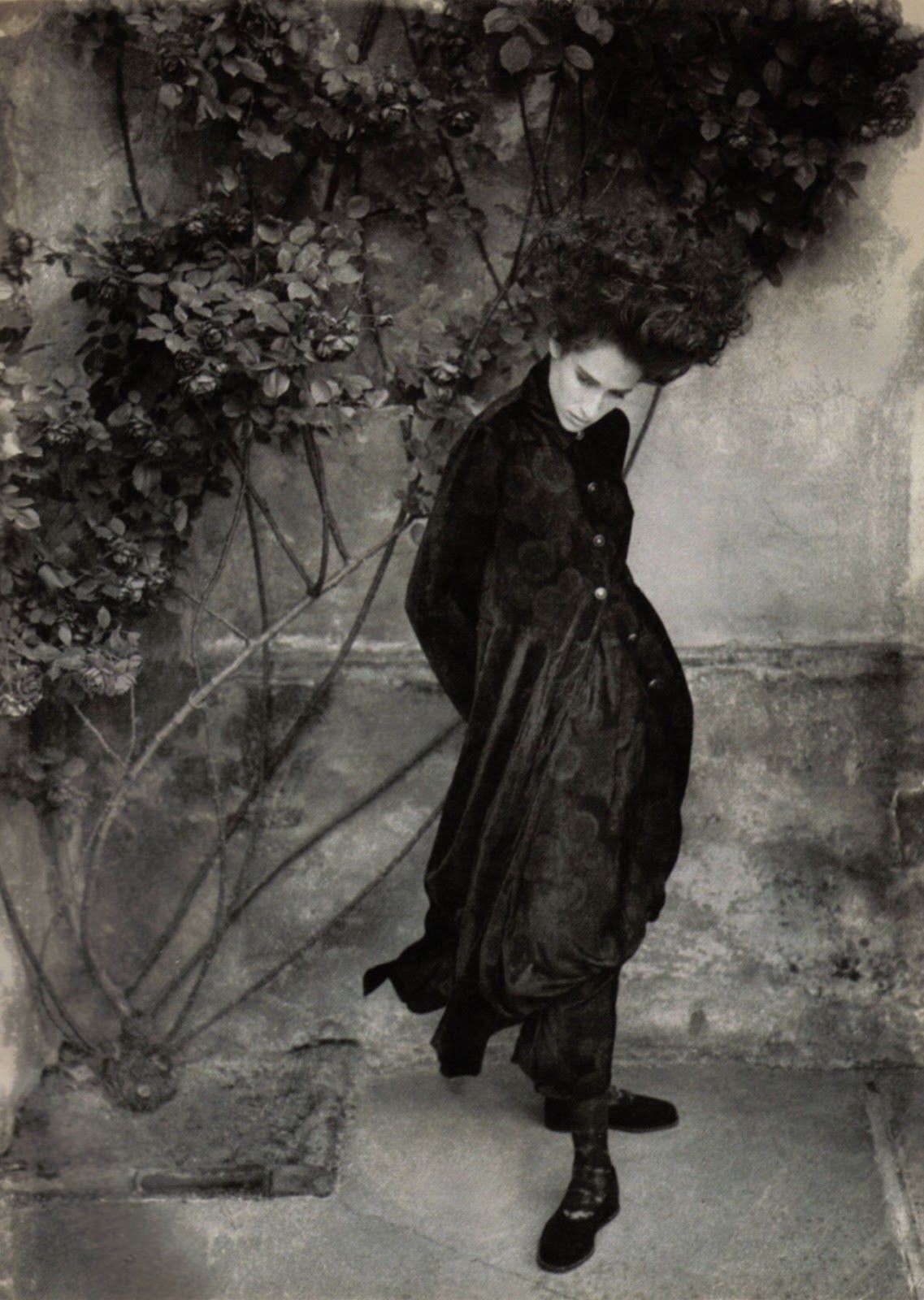
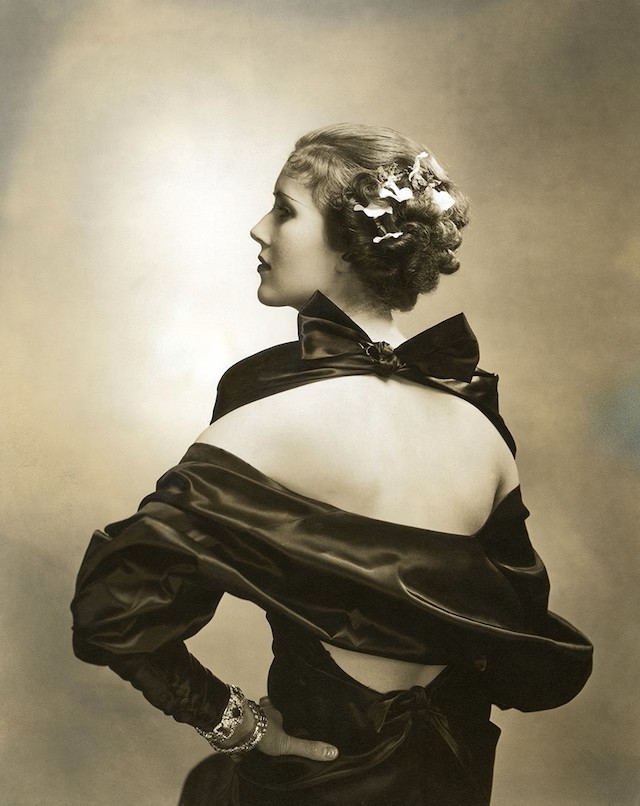
Photo: Pinterest
In the 1950s and 60s, Richard Avedon revolutionized fashion imagery. Instead of static, posed models, Avedon introduced movement, personality, and emotion.
His famous photograph “Dovima with Elephants” (1955) remains one of the most iconic images in fashion history. The contrast between the refined Dior gown and the massive circus elephants created a striking visual tension. It was theatrical, dramatic, and unforgettable.
Avedon’s work transformed models into characters and fashion into narrative.
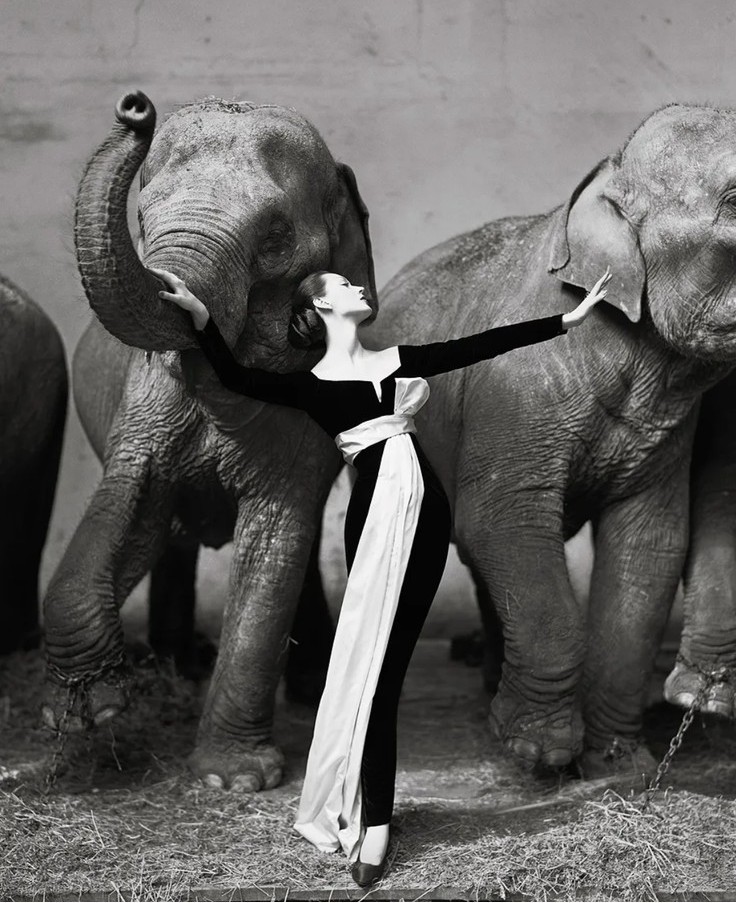
Richard Avedon, "Dovima with Elephants"
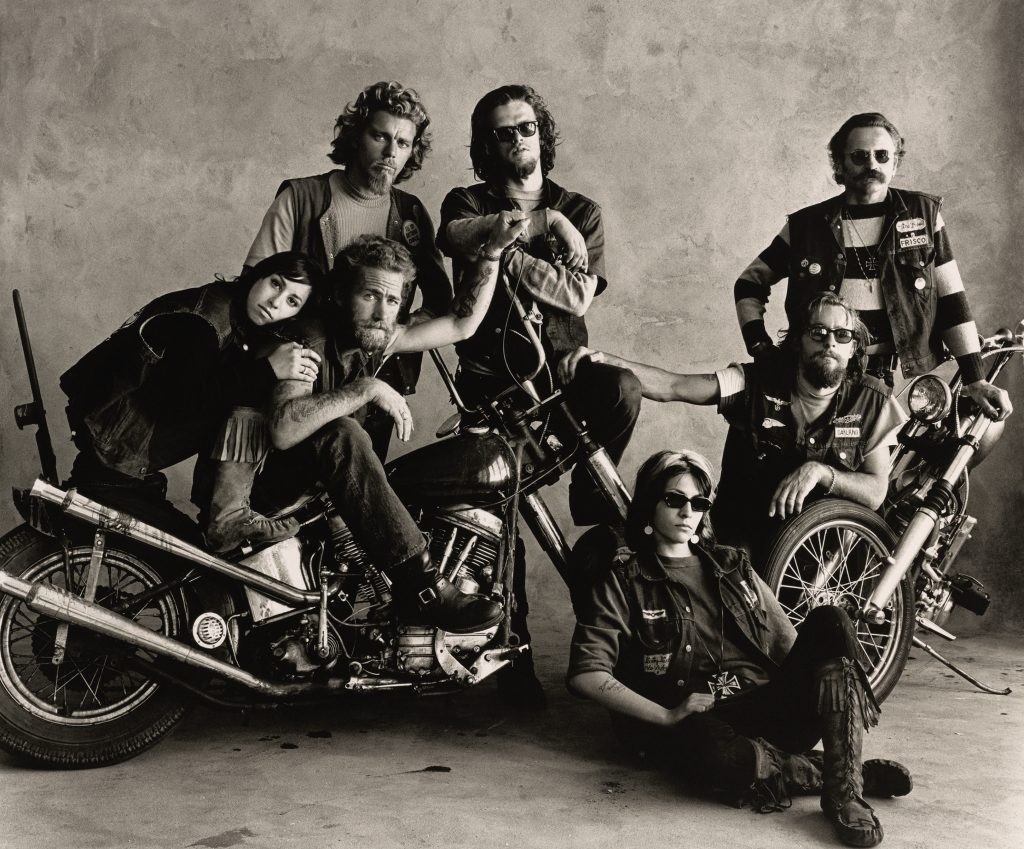
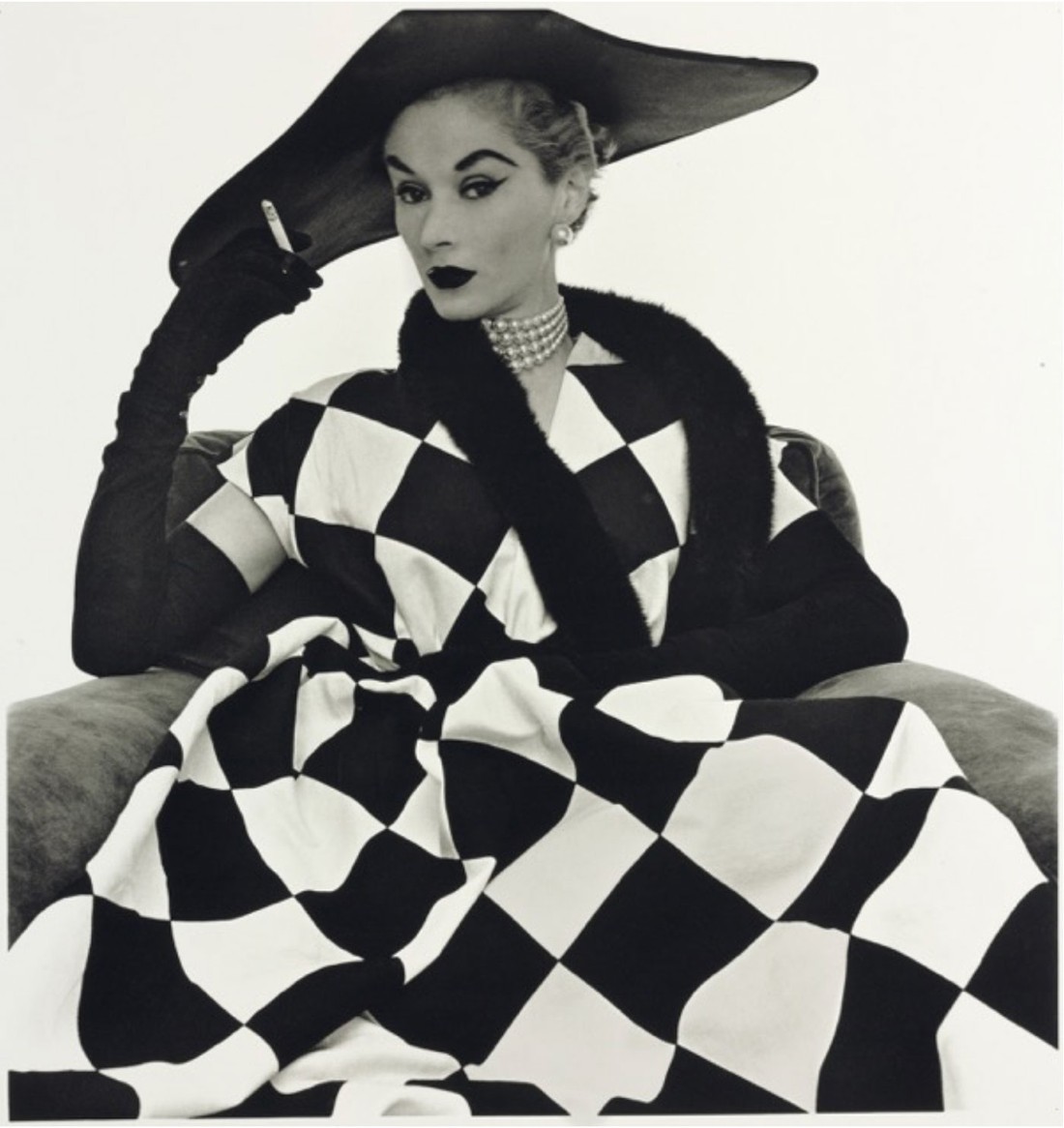
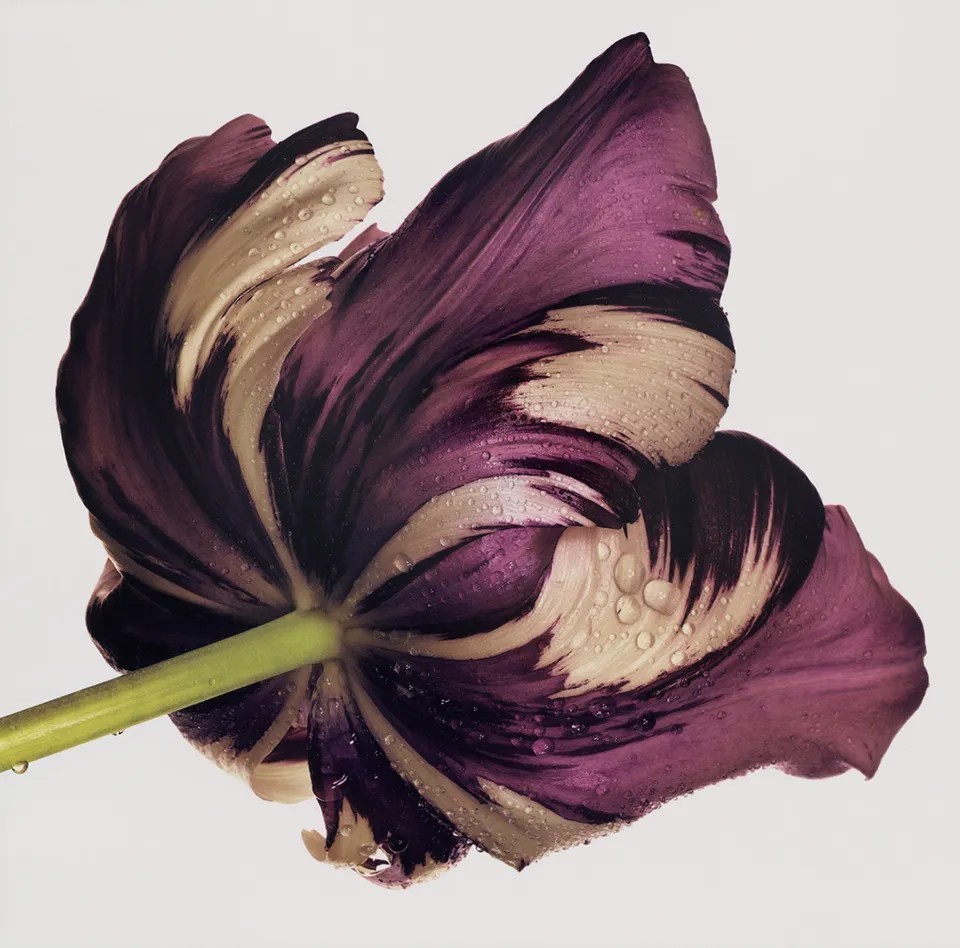
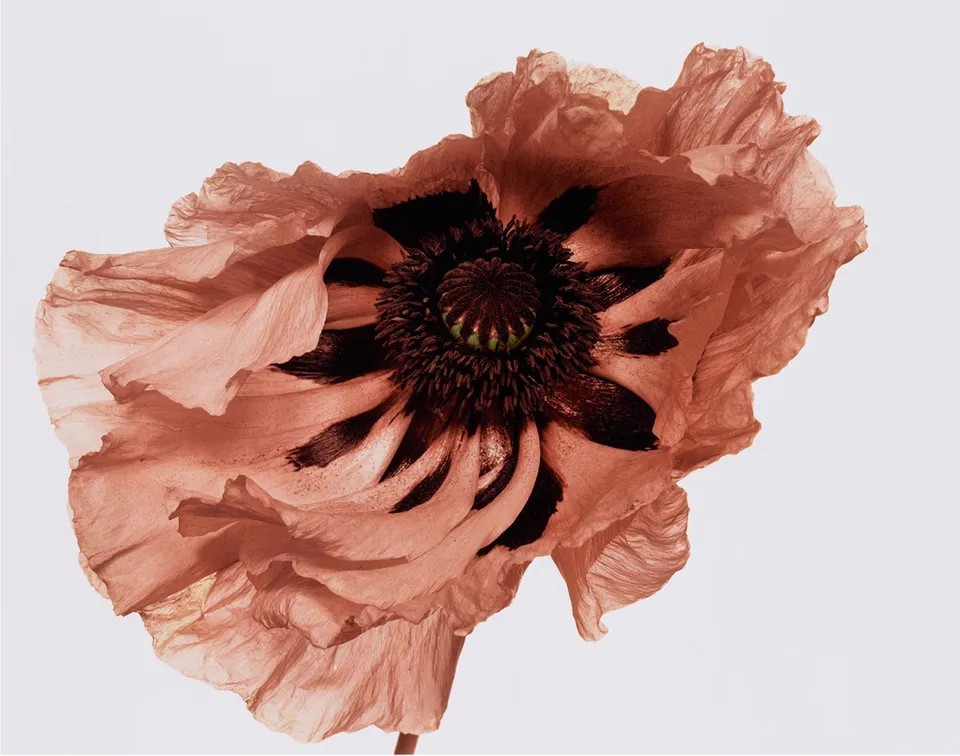
While Avedon embraced motion, Irving Penn embraced stillness. Known for his clean backgrounds and meticulous composition, Penn created portraits that felt intimate and sculptural.
His fashion photography stripped away distraction, focusing on form, fabric, and structure. Penn’s minimalist approach influenced decades of editorial work and remains a reference point for contemporary photographers.
He proved that simplicity can be powerful, and timeless.
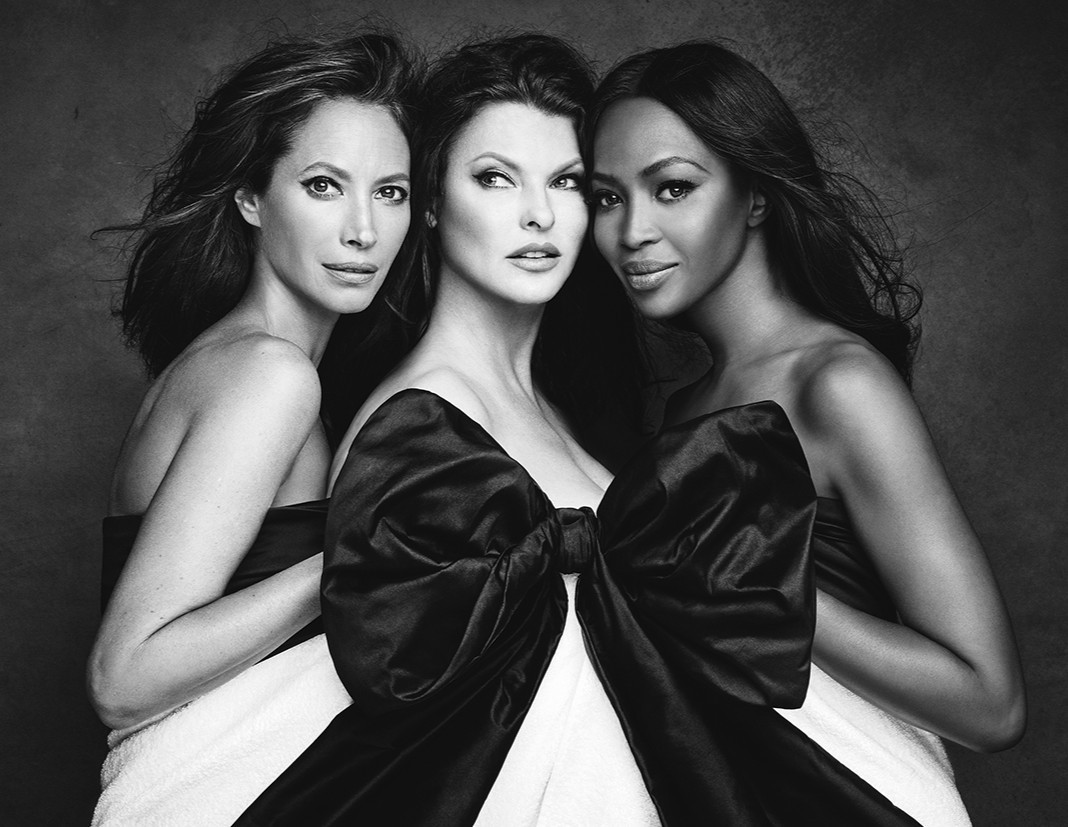
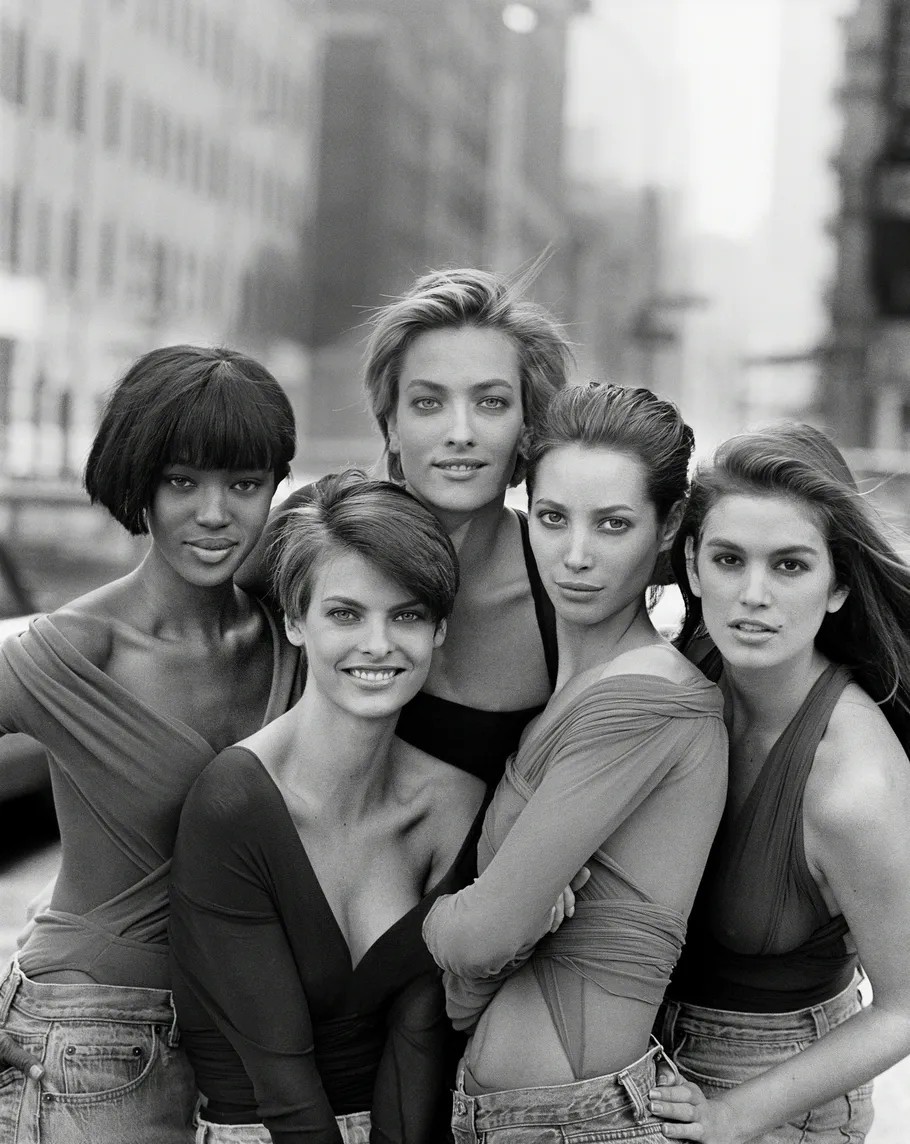
In the late 1980s and 1990s, Peter Lindbergh changed everything again. Rejecting heavy retouching and artificial glamour, Lindbergh favored natural light, minimal makeup, and emotional authenticity.
His 1990 British Vogue cover featuring Naomi Campbell, Cindy Crawford, Linda Evangelista, Christy Turlington, and Tatjana Patitz helped define the “supermodel era.” The image wasn’t about excess, it was about personality and presence.
Lindbergh reintroduced humanity into fashion imagery, influencing modern conversations about authenticity and real beauty.
The 2000s and 2010s marked a shift toward digital storytelling. Fashion photography expanded beyond magazines into social media, global campaigns, and multimedia experiences.
Photographers like Steven Meisel, Tim Walker, and Annie Leibovitz brought cinematic drama and fantasy into editorial fashion. Meanwhile, digital platforms democratized the medium, allowing street style photographers and emerging creatives to shape global trends instantly.
Iconic fashion photography was no longer limited to glossy pages, it became immediate, shareable, and globally influential.
Not every beautiful image becomes iconic. The most enduring fashion photographs share key characteristics:
-Cultural relevance – They reflect or influence societal shifts.
-Strong visual identity – Composition, lighting, and styling feel unmistakable.
-Emotional impact – The image evokes a reaction beyond admiration.
-Timelessness – They remain powerful decades after publication.
An iconic image is remembered not just for the clothing, but for the feeling it created.
Looking back at iconic fashion photography is like flipping through a visual history book. Hemlines rise and fall, silhouettes evolve, beauty standards shift, but the images remain as documentation of their time.
From the refined elegance of early couture portraits to the rebellious energy of modern editorials, fashion photography records society’s dreams, conflicts, and aspirations.
It is both a mirror and an architect of culture.
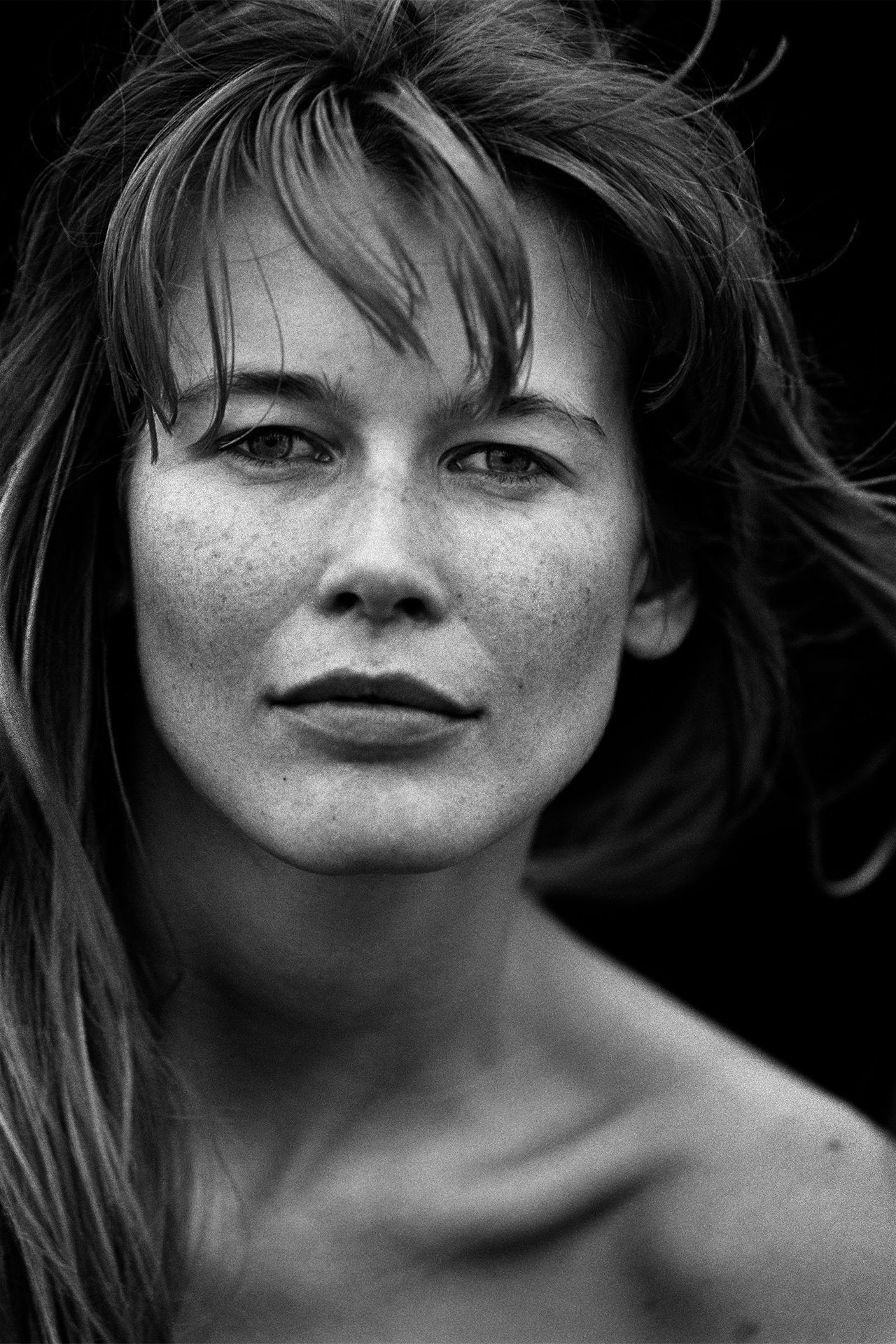
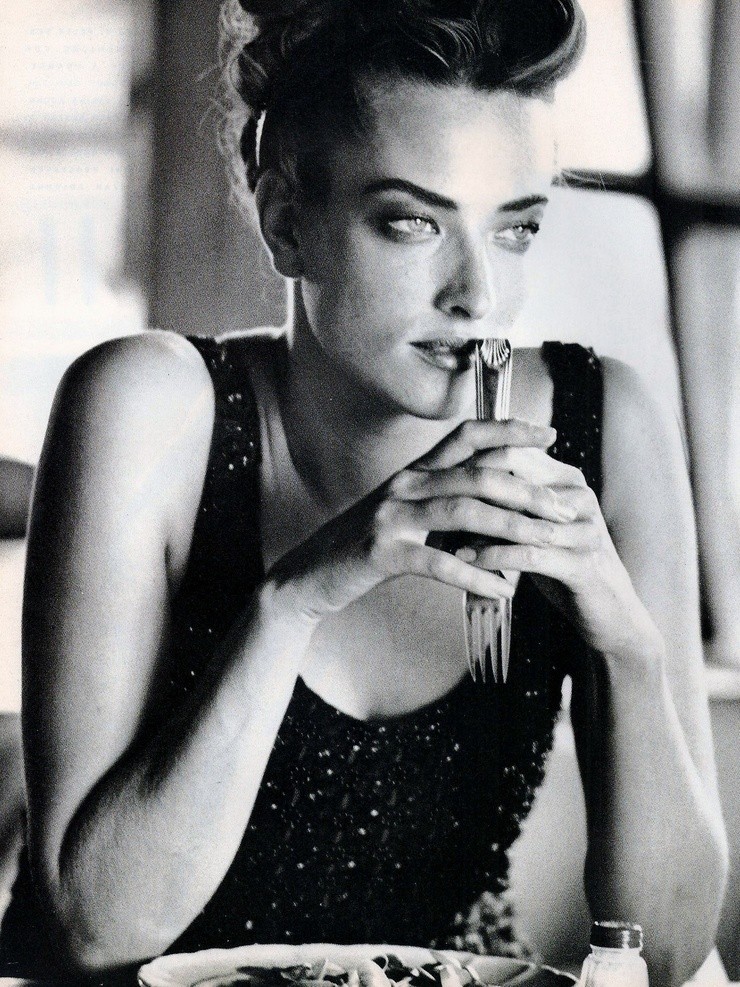
Photo: Peter Lindbergh
The most iconic photography in the history of fashion proves that fashion imagery is far more than commercial promotion. It is storytelling. It is art. It is social commentary.
These photographs capture not only garments but entire eras, transforming fleeting trends into lasting cultural memory. As technology advances and aesthetics continue to shift, one thing remains constant: the power of a single image to define a moment in fashion history.
Iconic fashion photography does not simply show us what we wore. It shows us who we were, and who we wanted to become.
This article is an original editorial analysis produced by [DIBA magazine]
Research and references are used for contextual accuracy.