
|
EN
Subscribe to our Newsletter
Facial masks have long existed at the intersection of beauty, ritual, and control. From ancient civilizations to contemporary homemade practices, they reflect a continuous negotiation between care, cultural knowledge, and risk, where skincare becomes both a personal ritual and a historical legacy.
By the Editorial Staff
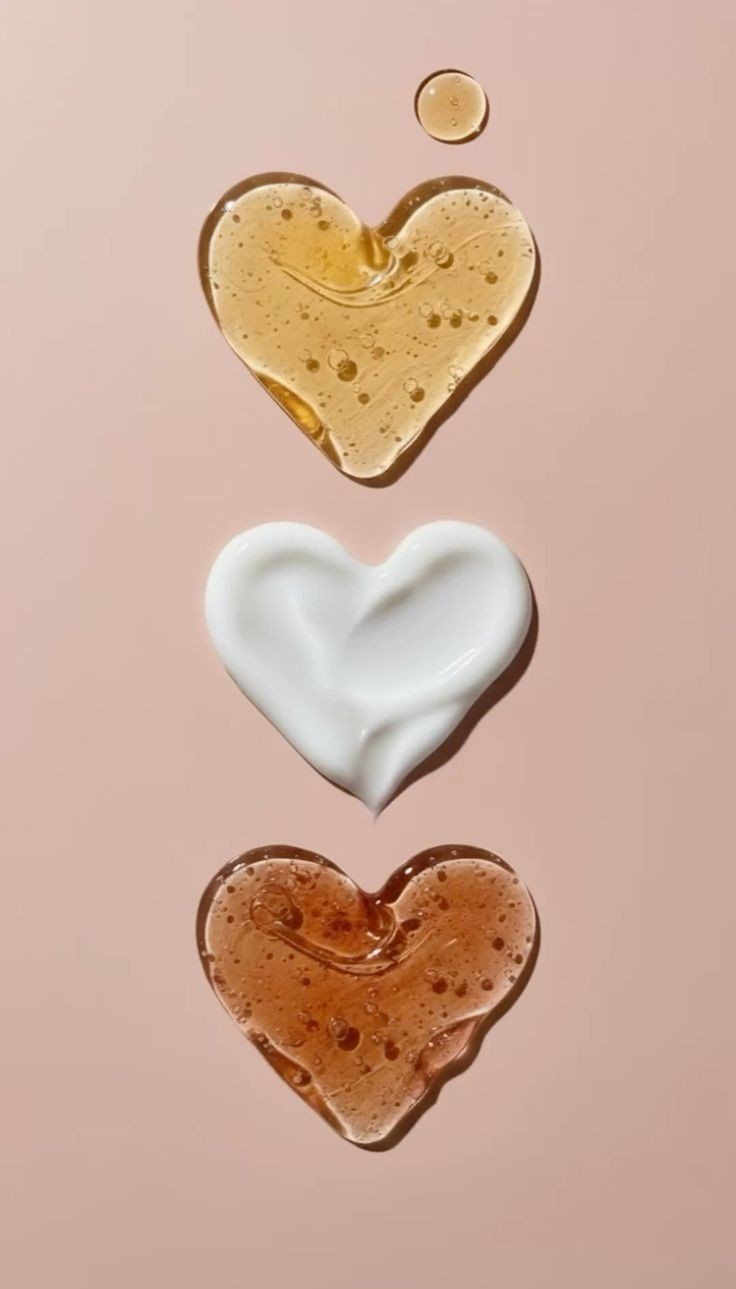
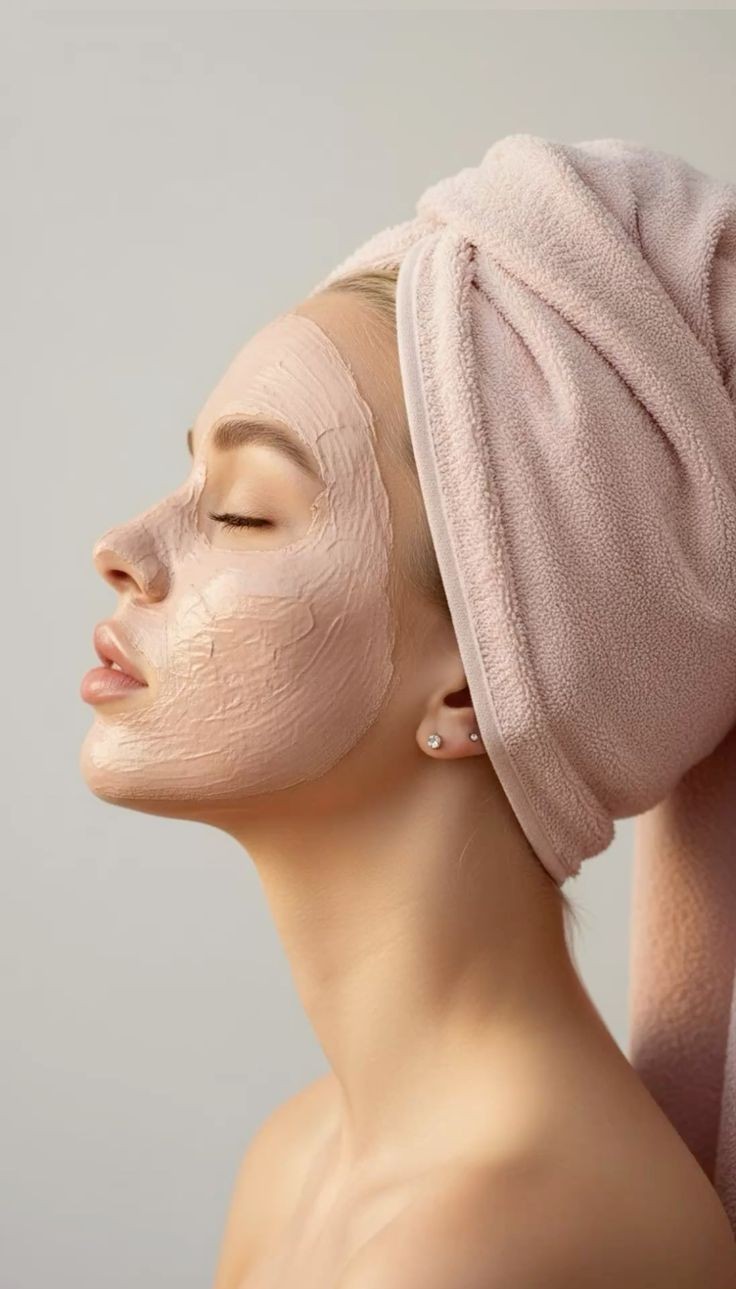
Photo: Pinterest
Facial masks today exist beyond the surface of skincare. They operate as intentional pauses, moments where control, care, and self-awareness intersect. In a culture driven by speed, stimulation, and constant visibility, applying a mask becomes an act of temporary withdrawal: a conscious slowing down of the face, the senses, and the nervous system. These rituals are no longer about instant results or cosmetic perfection, but about regulating how we feel in our bodies. Texture, temperature, pressure, and time all play a role in shaping the experience, influencing not only the skin’s appearance but the mind’s state of calm or alertness.
Homemade and personal masking practices, in particular, reflect a desire to reclaim agency over beauty routines, choosing ingredients, methods, and rhythms that feel intuitive rather than prescriptive. Yet this autonomy exists alongside responsibility, where experimentation, misinformation, and overuse can blur the line between care and harm. Modern masking therefore occupies a nuanced space: part self-soothing ritual, part functional skincare, and part reflection of how we negotiate trust, control, and vulnerability in our relationship with our own bodies.
The use of facial masks dates back to ancient Egypt, India, and China. People applied masks made from natural ingredients such as clays, eggs, milk, herbs, and even pearl powder for beauty, ceremonial, or therapeutic purposes.
These historical practices highlight the long-standing human interest in enhancing skin appearance and health before the advent of the modern skincare industry.
During periods of economic hardship, social uncertainty, or limited access to professional services, DIY skincare routines tend to increase. The COVID-19 pandemic, for example, led to a 16% rise in DIY beauty practices as people sought affordable, controllable, and culturally resonant ways to maintain skincare at home. This trend was particularly strong in multicultural communities, where traditional knowledge of natural remedies could be adapted into daily routines.
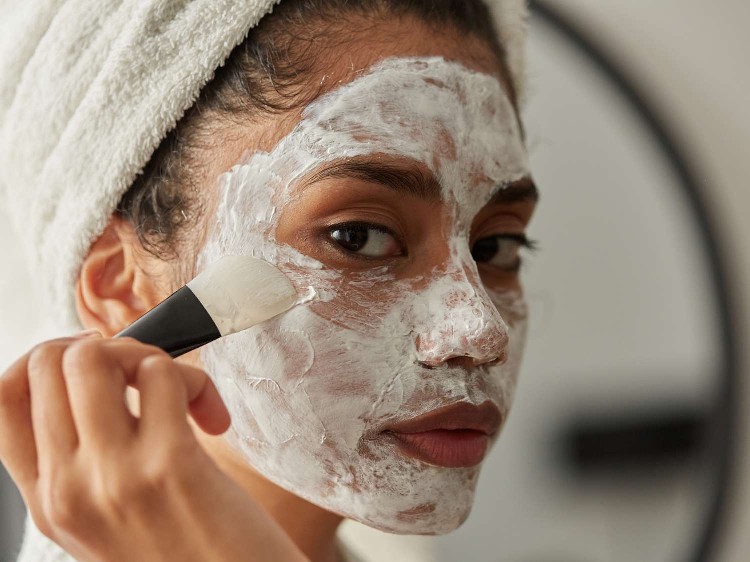
Photo: Ohlamour Studio-Stocksy
Many individuals turn to homemade masks because the process offers a sense of control and personalization. DIY masks allow customization based on skin type, sensitivity, and desired outcomes, while also providing a relaxing, mindful ritual that strengthens the connection with one’s own skincare routine. However, despite these benefits, risks remain: improper ingredient choices, incorrect concentrations, or poor hygiene can cause irritation, allergic reactions, or disrupt the skin’s natural barrier. Awareness of both benefits and potential hazards is key to safely incorporating DIY masks into personal skincare.
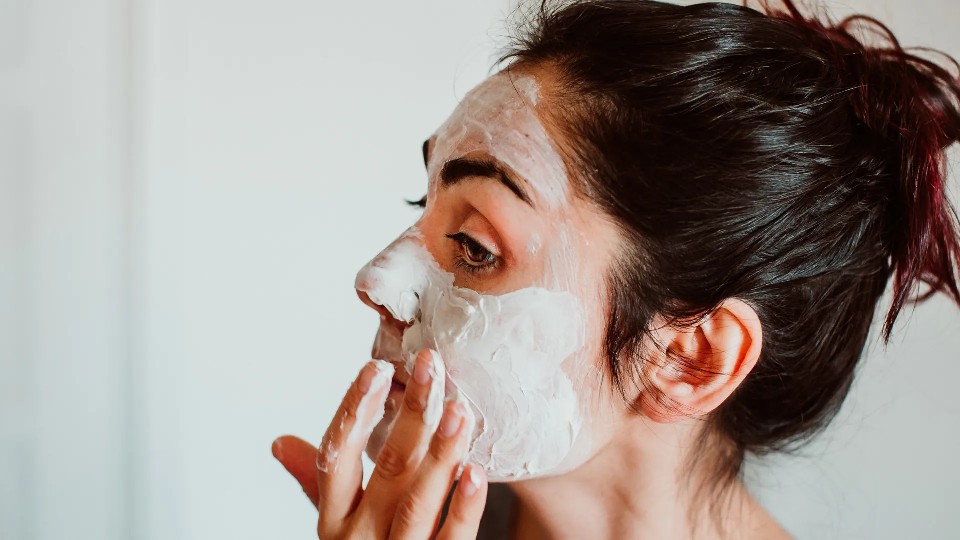
Photo: Getty Images
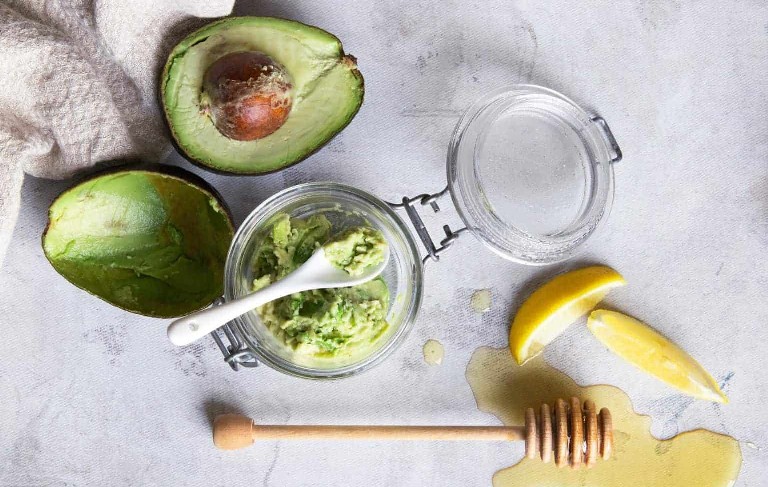
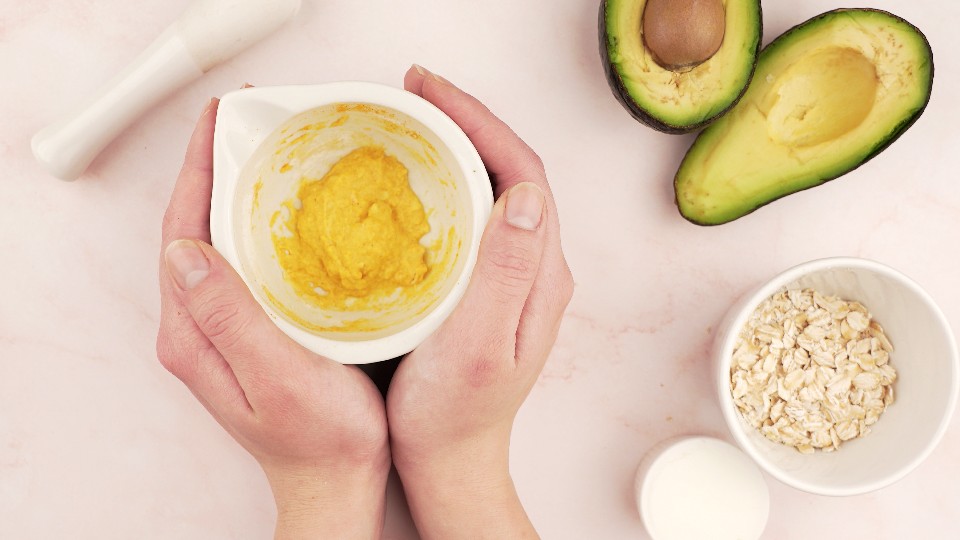
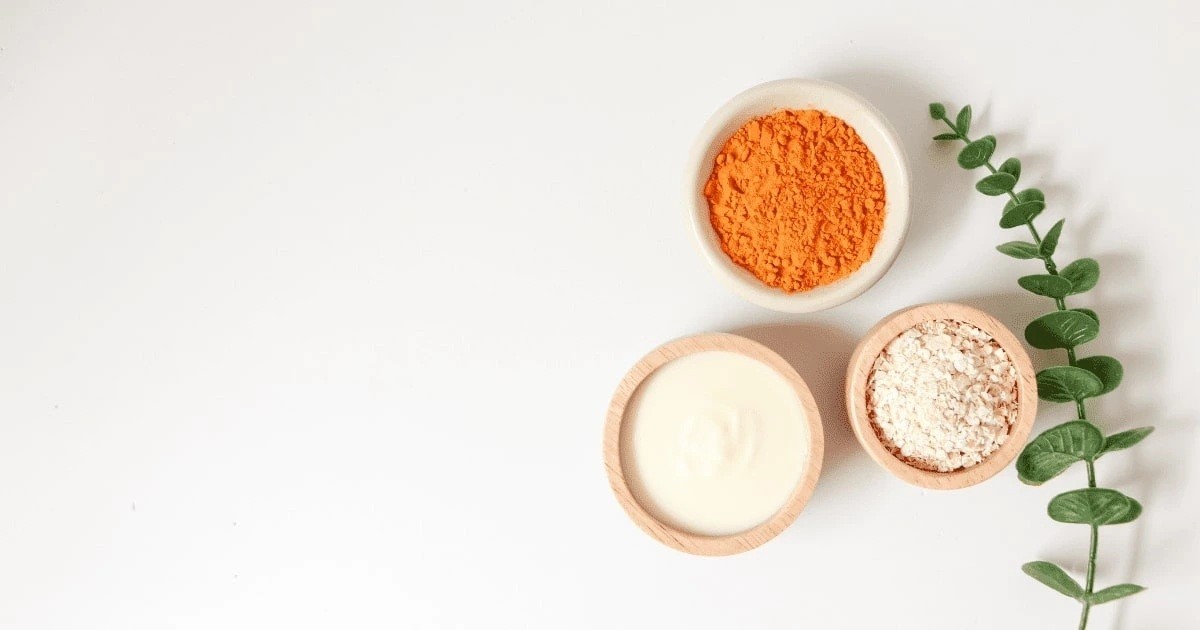
Certain natural ingredients can be effective and relatively safe when used appropriately. Raw honey provides antibacterial and moisturizing benefits, plain Greek yogurt offers mild exfoliation, and colloidal oatmeal can soothe irritation. At the same time, some common DIY ingredients can be harmful. Lemon juice, for instance, is highly acidic and can disrupt skin pH, leading to inflammation, while baking soda and alkaline substances can damage the skin barrier. Even natural oils such as coconut oil may clog pores.
Awareness of pH balance and ingredient interactions is essential to prevent adverse effects
The main distinction between mindful self-care and dangerous DIY lies in knowledge, hygiene, dosage, and application. Safe self-care involves using ingredients with proven benefits, patch-testing products, and maintaining clean preparation methods. Risky DIY, on the other hand, often involves mixing ingredients without understanding their effects, repeated or prolonged application, and storing mixtures that may harbor bacteria, leading to skin barrier disruption, sensitivity, and infection.
For many individuals, having control over their skincare routines provides a profound sense of psychological comfort and stability, particularly during periods of stress, uncertainty, or societal upheaval. Engaging in the preparation and application of DIY masks allows people to reclaim a tangible sense of agency over their bodies, offering moments of mindfulness and intentional self-care in an otherwise chaotic world. These practices are not merely functional; they are imbued with cultural significance, reflecting centuries of traditional knowledge, inherited beauty rituals, and community wisdom. By blending historical techniques with modern scientific understanding, homemade masks enable individuals to connect with their heritage, honor longstanding cultural practices, and create personalized rituals that reinforce both mental wellbeing and physical care. In this way, the act of making and applying a mask transcends its cosmetic purpose, becoming a holistic practice that nurtures the mind, body, and cultural identity simultaneously
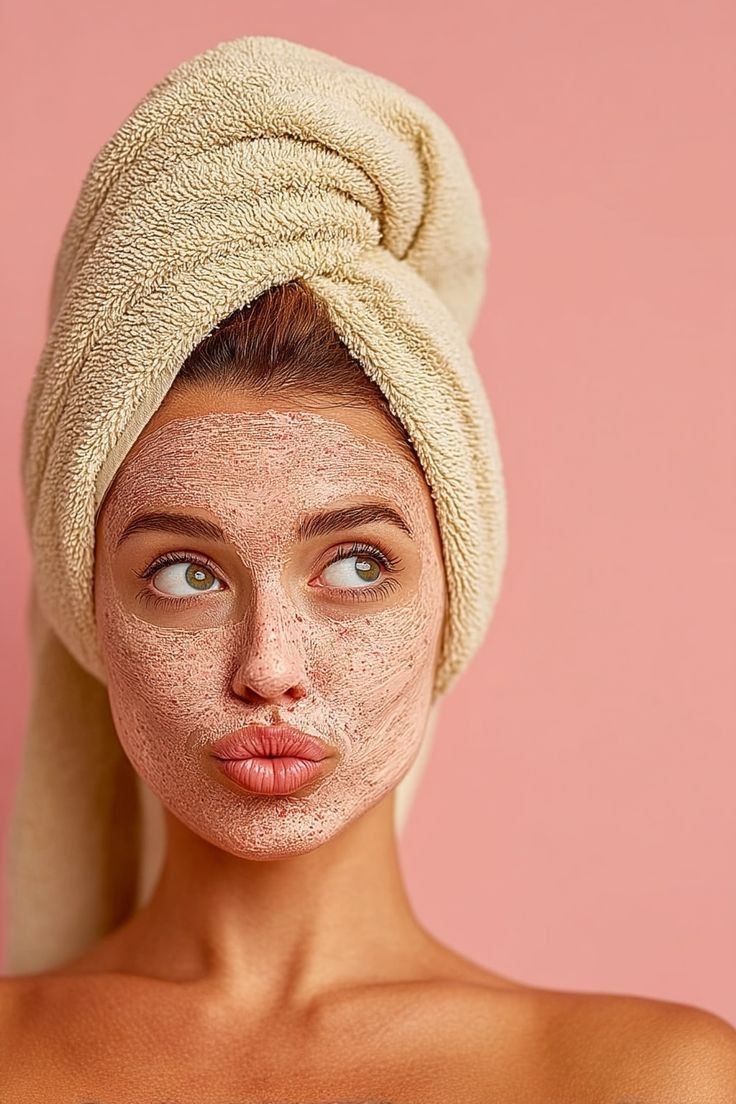
Homemade masks occupy a delicate balance between care, control, and risk. When used with knowledge and caution, they can provide personalized, comforting, and culturally meaningful self-care experiences. However, improper ingredient choices, poor hygiene, or overuse can lead to skin irritation, disruption of the skin barrier, and bacterial infection. Understanding the science behind ingredients and remaining aware of potential risks is essential to maximize benefits and minimize harm. The key to safe DIY skincare lies in practicing informed self-care, guided by evidence, mindfulness, and attention to both the physical and cultural aspects of the routine.
This article is an original editorial analysis produced by [DIBA magazine].
Research and references are used for contextual accuracy.