
|
EN
Subscribe to our Newsletter
The Grand Bazaar of Tehran, located in the city’s historic center, is one of Iran’s oldest and most important commercial centers. With over 10 kilometers of interconnected corridors, it offers a wide range of goods, from carpets and spices to handicrafts, while also serving as a cultural and social hub featuring mosques, schools, and traditional teahouses.
By the Editorial Staff
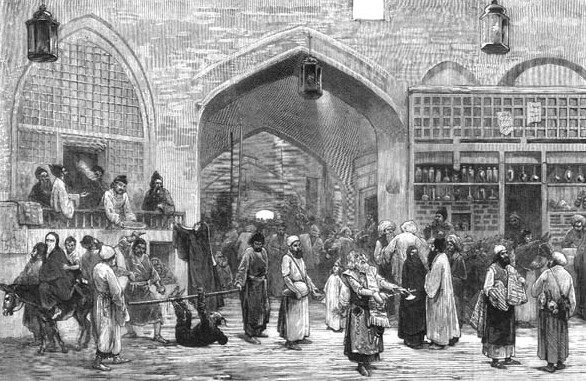
An 1873 illustration of the Grand Bazaar of Tehran
Photo: Pinterest
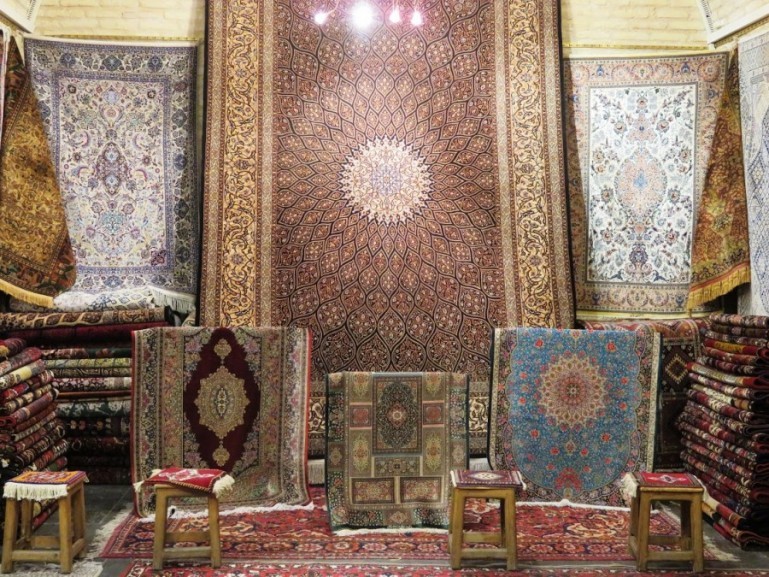
In the southern heart of Iran’s capital sprawls the Grand Bazaar of Tehran, a sprawling, labyrinthine world of vaulted alleys, narrow passageways, and bustling corridors stretching over ten kilometers, a living artery that has pulsed with the city’s commerce, culture, and stories for centuries. Walking through its covered streets is like stepping into a living tapestry, where the intoxicating aroma of saffron, dried fruits, and exotic spices mingles with the echo of hurried footsteps and the soft chatter of shopkeepers, weaving a sensory symphony of sight, scent, and sound. Every twist and turn opens onto shops offering Persian carpets, traditional handicrafts, copperware, and saffron, showcasing the finest examples of Iranian craftsmanship and culture.
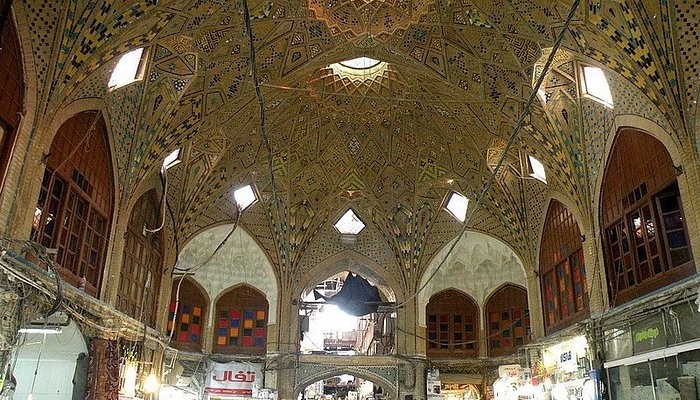
Beyond mere shopping, the bazaar is a city within a city, a cultural hub of Tehran, where centuries-old mosques whisper prayers, teahouses invite merchants and visitors alike to pause and share stories over steaming cups of tea, and workshops dating back a hundred years still hum with the rhythm of artisans crafting their timeless creations. Here, the pulse of Iranian life is tangible: the ebb and flow of commerce, the meeting of old traditions and modern enterprise, and the interplay of social, cultural, and religious rhythms that have shaped the city for generations. From the intricate brickwork and arched ceilings to the delicate lattice windows that filter sunlight into kaleidoscopic patterns on the cobblestone floors, every element of the bazaar speaks to a historic Tehran marketplace alive with tradition, a space where history, artistry, and daily life converge in a vivid, sensory experience that captivates every visitor who wanders its corridors.
This is not merely a marketplace, but a historic bazaar in Tehran, where every stall, every doorway, and every vaulted arch carries the weight of centuries echoes of merchant voices negotiating, travelers seeking Persian goods, and artisans perfecting their craft. To walk through the Grand Bazaar is to traverse Tehran’s cultural and historic heart, to witness the city’s heartbeat in the form of a vibrant, colorful, and fragrant corridor that continues to define Tehran’s identity, its culture, and its soul.
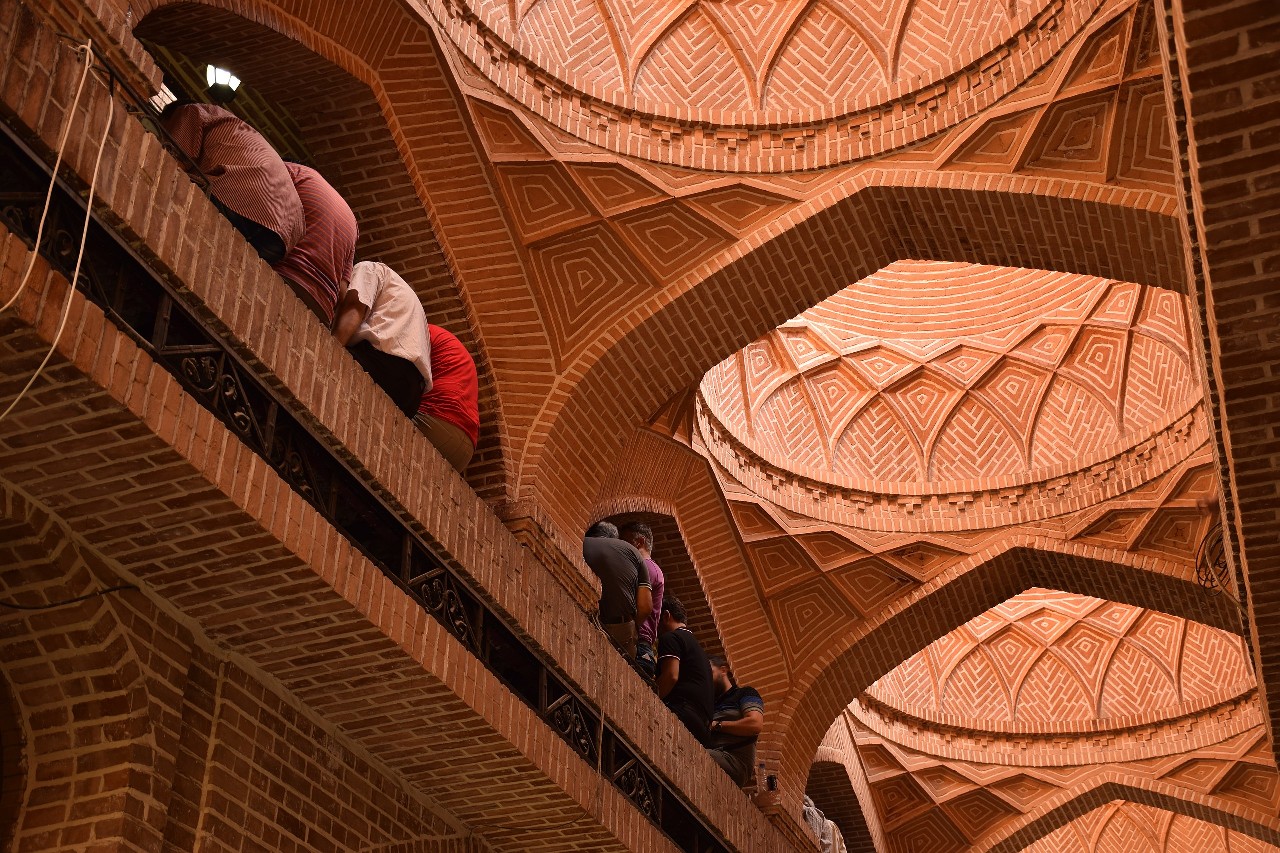
Photo: Hamidreza Hasani
Born from the earliest strands of Tehran’s history, the bazaar evolved alongside the city itself, its humble roots dating back to markets before Tehran became capital, gradually shaped under the Safavid era and later transformed through the architectural and social expansions of the Qajar period. Over time, this vast covered maze became more than a hub of trade: it was a crossroads of culture, politics, and social exchange, a place where stories of merchants, pilgrims, and travellers converge. Today, its intricate brick vaults and colourful tilework, historic entrances like Sabzeh Meydan, and the ever-alive hum of commerce invite every visitor to lose themselves in centuries of tradition and human tapestry.
Tehran’s Grand Bazaar is a labyrinth of history, culture, and commerce, where every corridor and archway whispers stories of centuries past. As you step into this vibrant world, you are greeted by a rich mosaic of life from bustling squares and vaulted chaharsouqs, to intimate timcheh, traditional teahouses, and historic mosques.
Each section of the bazaar holds its own character and charm, inviting visitors to explore, discover, and lose themselves in the rhythm of trade, tradition, and everyday life. Below, we take a closer look at the key areas that make the Grand Bazaar of Tehran a timeless journey through the city’s heart.
1. Timcheh – Covered Mini-Markets with Historic Charm
Hajeb-od-Dowleh Timcheh: Famous for its elegant architecture, this timcheh houses shops selling decorative tableware and traditional items.
Mahdieh Timcheh: Renowned for Persian textiles, especially Termeh, and other handcrafted cultural products.
Other Timchehs: Smaller covered bazaars scattered throughout the market offering souvenirs, handicrafts, and local goods.
Grand Bazaar of Tehran
Photo: Pinterest
2. Alleys & Chaharsouqs – The Heart of Bazaar Life
Grand Chaharsouq: The main crossroads where the bazaar’s primary corridors intersect, featuring vaulted ceilings and intricate plasterwork.
Shoemakers’ Alley: Lined with traditional leather and footwear shops.
Goldsmiths’ Alley: A glittering hub for gold, silver, and jewelry.
Textile Alley: A colorful stretch offering fabrics, traditional clothing, and carpets.
3. Squares & Entrances
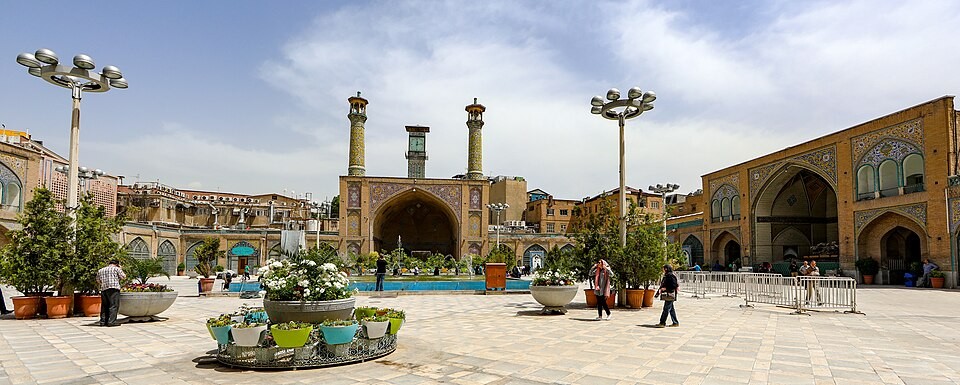
Sabzeh Meydan: One of the busiest shopping squares near 15 Khordad, acting as a main entrance to the bazaar.
Hassanabad Square: Another key square connecting several main corridors of the bazaar.
4. Teahouses & Social Hubs
Haj Ali Darvish Teahouse: One of the oldest and smallest teahouses, offering a glimpse into the social life of merchants.
Other Bazaar Teahouses: Cozy spots for rest, conversation, and experiencing local culture.
5. Historical & Religious Centers
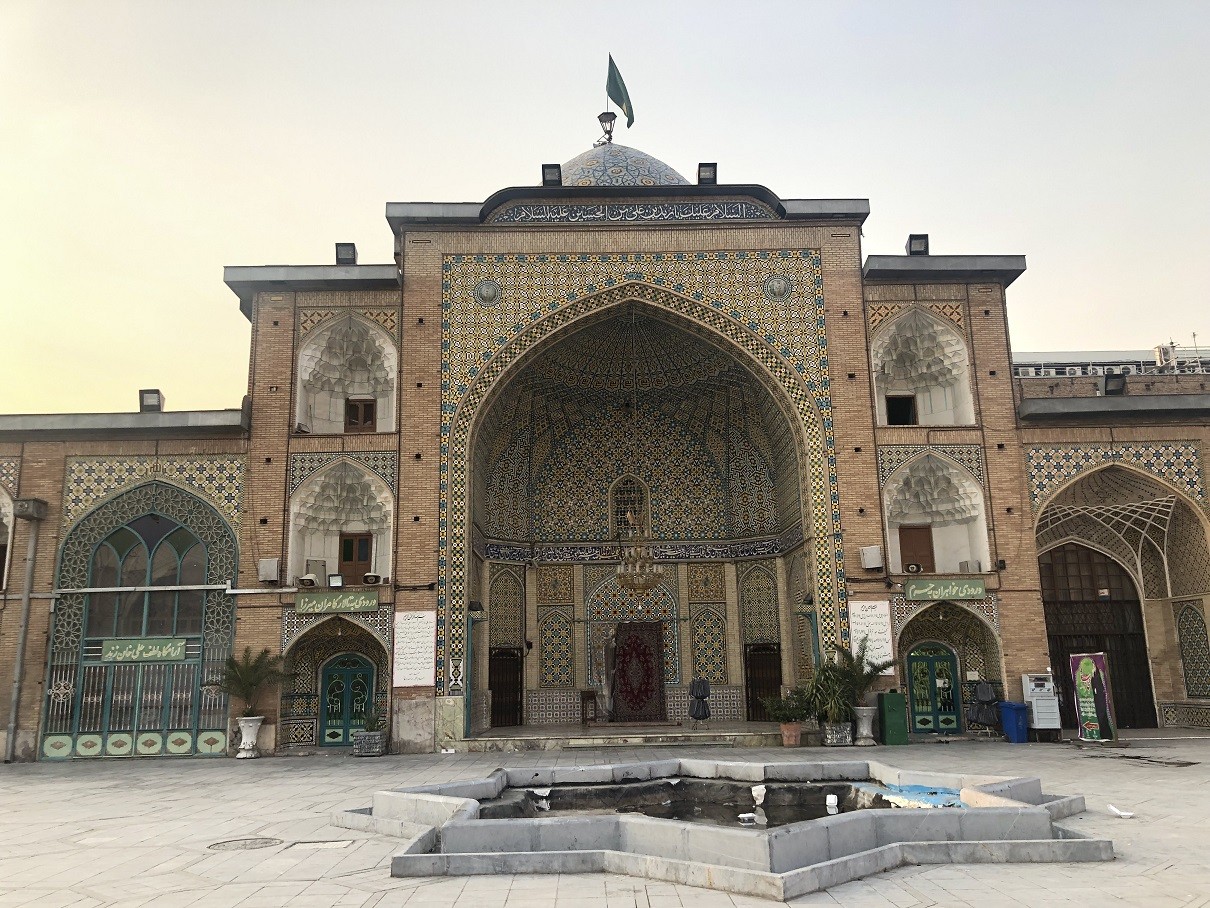
Bazaar Mosques: Such as Shah Mosque and Imamzadeh Zeid shrine (Lotfali Khan zand Tombe)
Grand Bazaar of Tehran
Photo: Pinterest
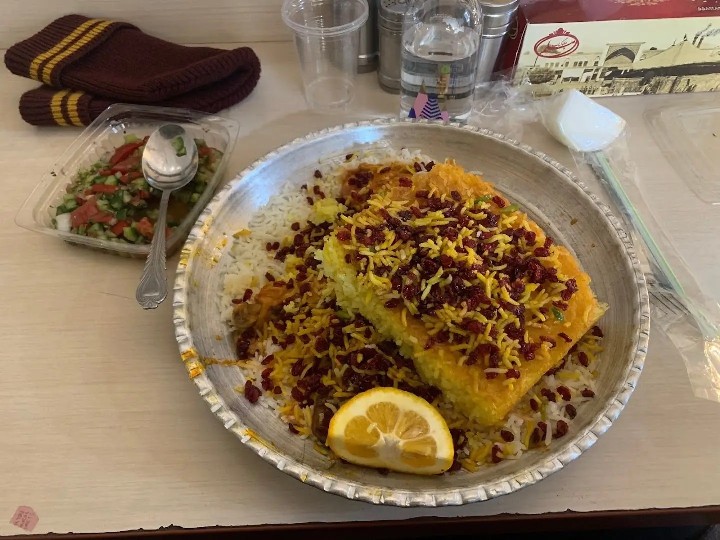
Among the most beloved culinary stops within Tehran’s Grand Bazaar, Moslem Restaurant stands proudly as a symbol of tradition, where locals and travellers alike form long queues to savor the city’s signature kebabs, hearty stews, and fragrant Persian rice dishes. Each plate is a celebration of Iranian culinary heritage, with flavors perfected over decades, and the warm, bustling atmosphere evokes a sense of timeless hospitality that makes every visitor feel part of the bazaar’s living story.
Just a few steps away, Sheref-ol-Islami is a historic restaurant nestled in the heart of the bazaar, offering a rich variety of traditional Persian dishes in a welcoming, cozy setting. From freshly baked breads to delicate herbs, aromatic stews, and perfectly spiced kebabs, every dish tells a story of centuries-old recipes passed down through generations, inviting diners to pause, savor, and immerse themselves in the tastes and aromas that define Tehran’s culinary soul.
Grand Bazaar of Tehran
Photo: Pinterest
Lotf Ali Khan Zand's tomb
Photo: Pinterest
But the Grand Bazaar is far more than a haven for shoppers and food lovers. It is a living corridor through time, where every Chaharsouq, bustling square, and historic mosque whispers the stories of the Safavid, Zand, and Qajar eras. From Sabzeh Meydan, the vibrant square near 15 Khordad, to the vaulted Grand Chaharsouq, where merchants once haggled over spices, carpets, and gold, every stone, archway, and tile narrates centuries of Tehran’s evolving identity. Walking through its alleys, visitors can feel the rhythm of a city that has witnessed empires rise and fall, the blend of economic negotiations, social encounters, and political conversations shaping the very fabric of life here. The bazaar is not merely a commercial hub; it is a living historical monument, a place where time seems to fold upon itself and every corner offers a glimpse into the heartbeat of Tehran’s past and present.
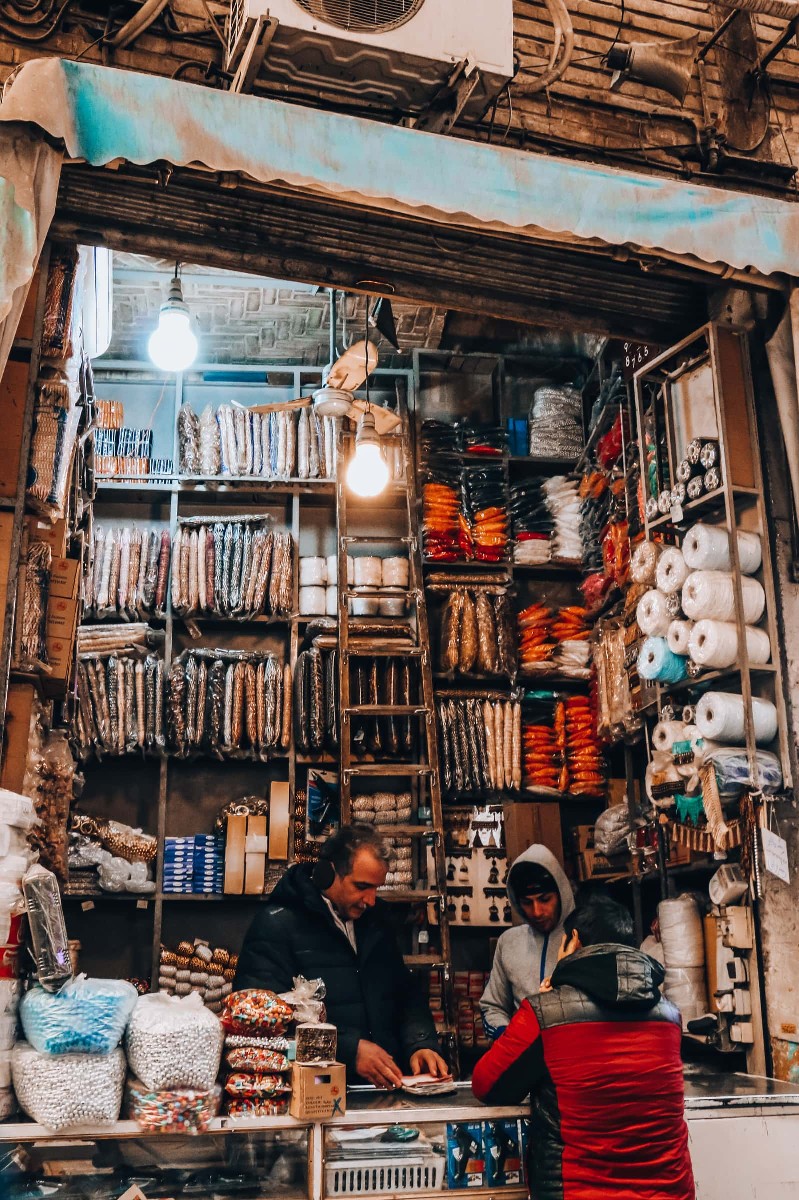
Grand Bazaar of Tehran
Photo: Pinterest
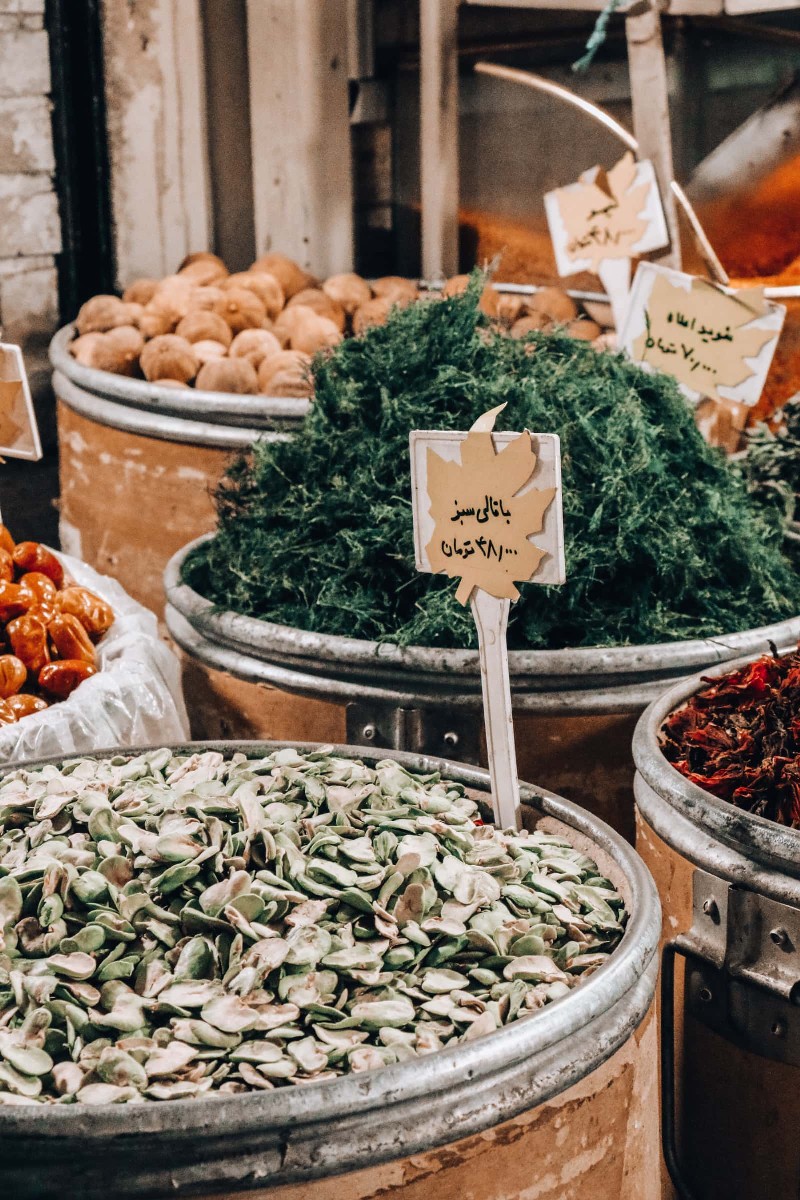
Today, the Grand Bazaar presents a rare fusion of shopping, leisure, and cultural exploration. Its corridors brim with vibrant stalls of Persian textiles, fragrant spices, and exquisite handicrafts, while historic teahouses invite travelers to pause, sip tea, and listen to the murmurs of the market that echo centuries of tradition. The aromatic, bustling restaurants fill the air with the scent of simmering stews, grilled kebabs, and freshly baked breads, turning every meal into a sensory voyage through Persian culinary heritage. Walking these alleys, one can witness the delicate interplay of commerce, culture, and daily life that continues to thrive amidst centuries-old architecture and vaulted ceilings.
In the Grand Bazaar, the past and present coexist in a mesmerizing dance. The chatter of merchants, the laughter of diners, and the rich aromas of Persian cuisine merge with the vibrant colors of carpets, spices, and handcrafted goods, creating an experience that is at once culinary, commercial, and profoundly historic. For any traveler, it is a journey that transcends simple sightseeing a deep dive into Tehran’s cultural soul, a chance to wander through corridors where history, tradition, and modern life converge, and a space where every step, every aroma, and every sound tells a story that has been centuries in the making.
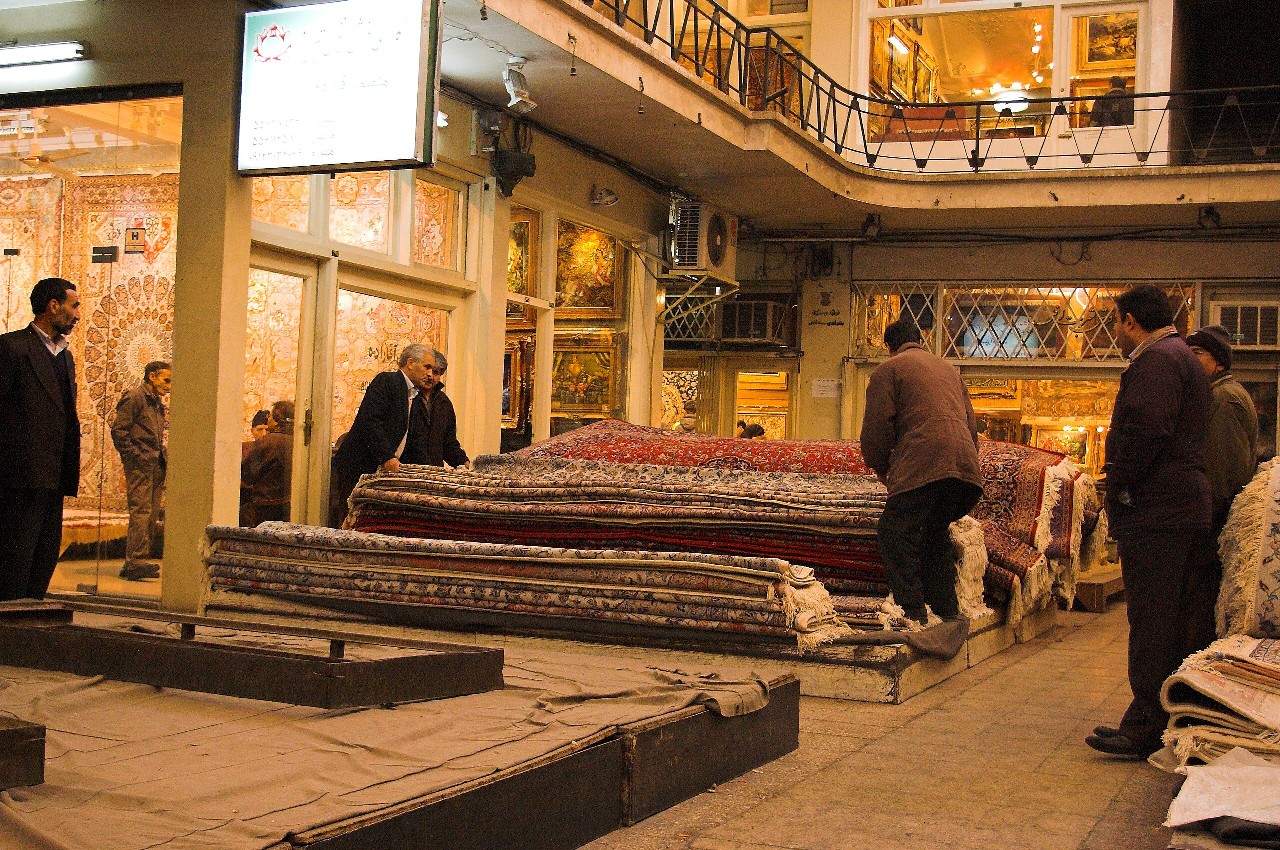
Grand Bazaar of Tehran
Photo: Pinterest
This article is an original editorial analysis produced by [DIBA magazine]
Research and references are used for contextual accuracy.