
|
EN
Subscribe to our Newsletter
Sporty accents have moved beyond performance wear to become a key feature of contemporary fashion. By reinterpreting technical fabrics and athletic details within refined styling, designers blend comfort with sophistication. This shift highlights a more versatile approach to modern dressing that balances practicality with expressive style.
By the Editorial Staff
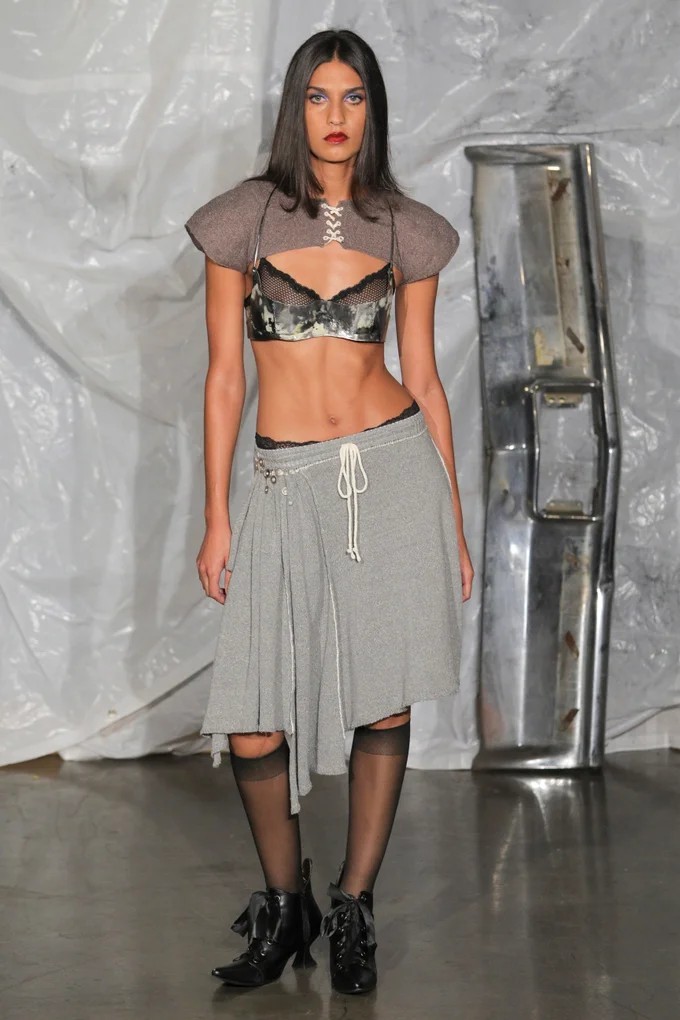
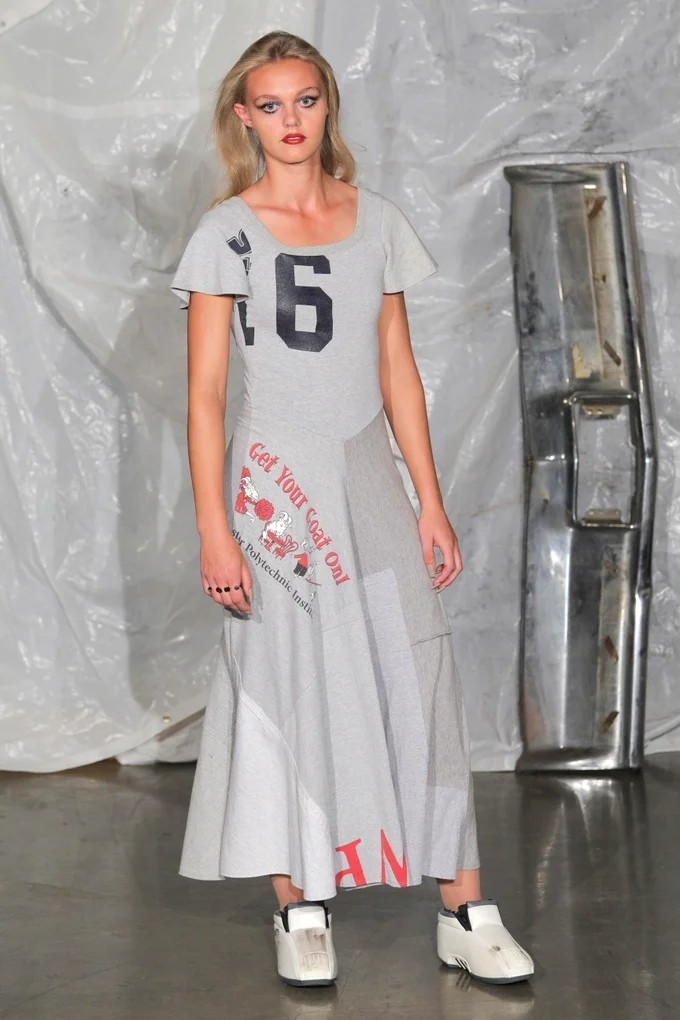
Photo: Gabe Gordon
The integration of sporty accents into high fashion reflects a broader cultural shift toward versatility and performance-driven aesthetics. Luxury brands are no longer separating athletic functionality from couture craftsmanship; instead, they are merging the two to create garments that embody both innovation and prestige. Designers increasingly incorporate technical fabrics, ergonomic tailoring, and performance-inspired detailing into high-end collections, signaling a profound transformation in how consumers perceive luxury.
Modern luxury no longer prioritizes formality or restriction; it emphasizes movement, adaptability, and comfort, aligning seamlessly with evolving lifestyle demands. This shift underscores how fashion continuously responds to societal priorities, where wellness, mobility, and practicality have become integral components of personal style and brand identity.
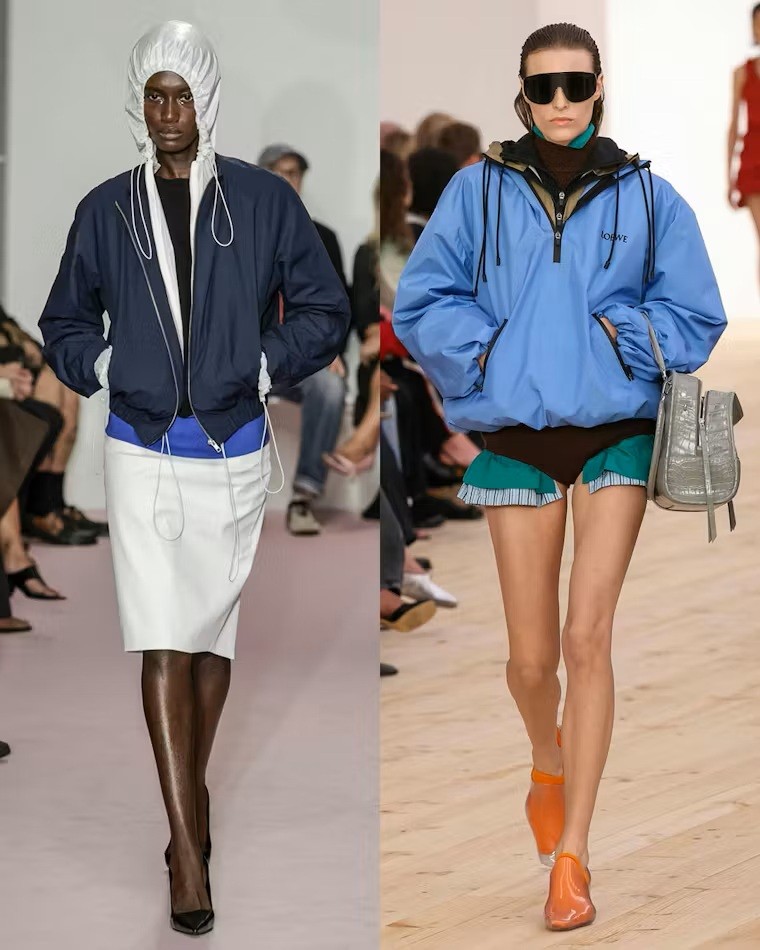
Another significant driver of sporty fashion is the resurgence of early 2000s activewear aesthetics. The revival of tracksuits, cropped athletic tops, and logo-driven sports garments highlights fashion’s cyclical nature, where nostalgia serves both as inspiration and reinvention. Contemporary designers reinterpret Y2K athletic silhouettes using elevated fabrics, refined construction, and modern styling techniques. This nostalgic revival resonates particularly with younger consumers seeking authenticity and cultural references while prioritizing comfort-focused fashion.
By revisiting historical sportswear trends and adapting them to contemporary design standards, brands successfully bridge generational fashion identities and reinforce the emotional connection between style and cultural memory.
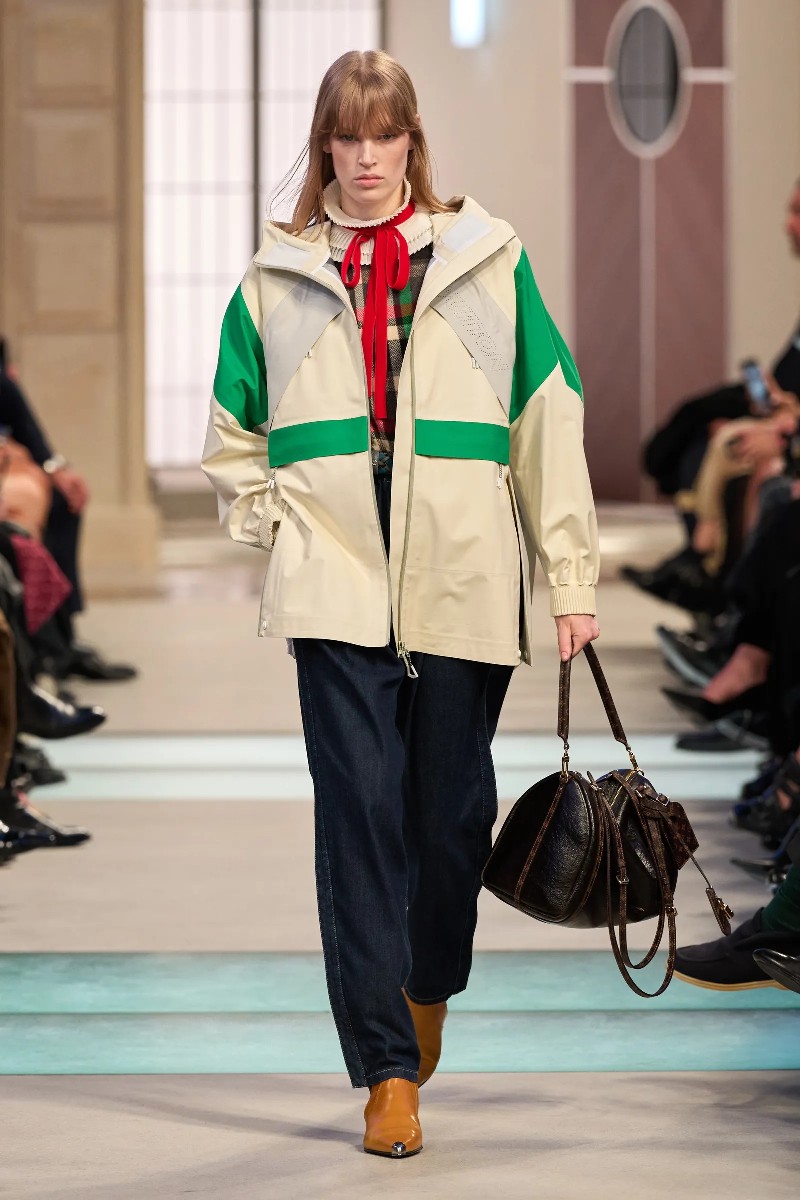
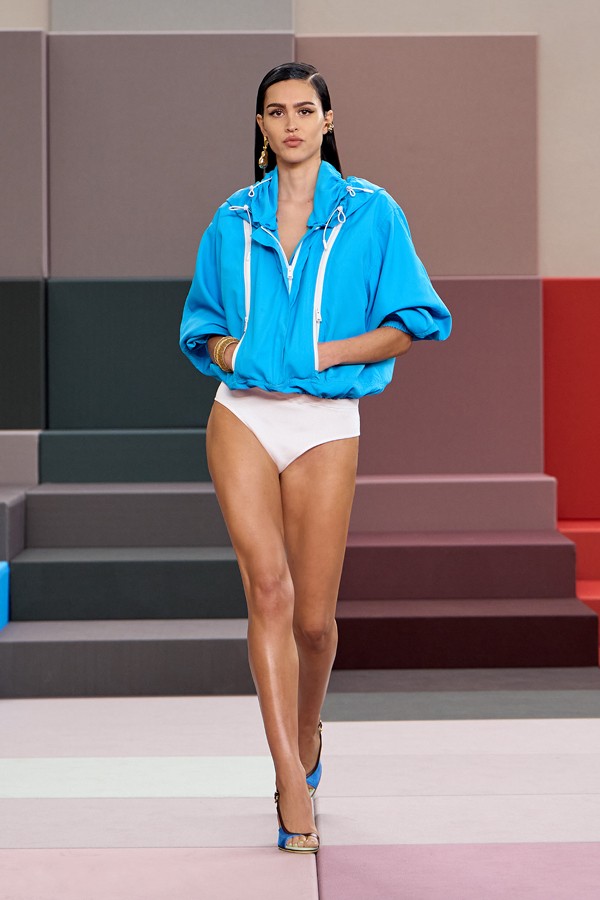
Photo: Daniele Oberrauch
Fendy 2026
Photo: Getty Images
Sporty fashion also demonstrates remarkable adaptability across seasonal wardrobes, particularly in cold-weather styling. Winter activewear showcases high performance fabrics, thermal layering, and ergonomic construction that can seamlessly coexist with refined visual aesthetics.
Designers employ insulated materials, weather-resistant textiles, and flexible silhouettes to craft garments that strike a balance between protection and elegance. This seasonal adaptability underscores fashion’s ability to respond to environmental challenges without compromising artistic expression. The continued success of winter activewear further cements the enduring relevance of sporty accents as both functional and stylistic solutions in contemporary fashion.
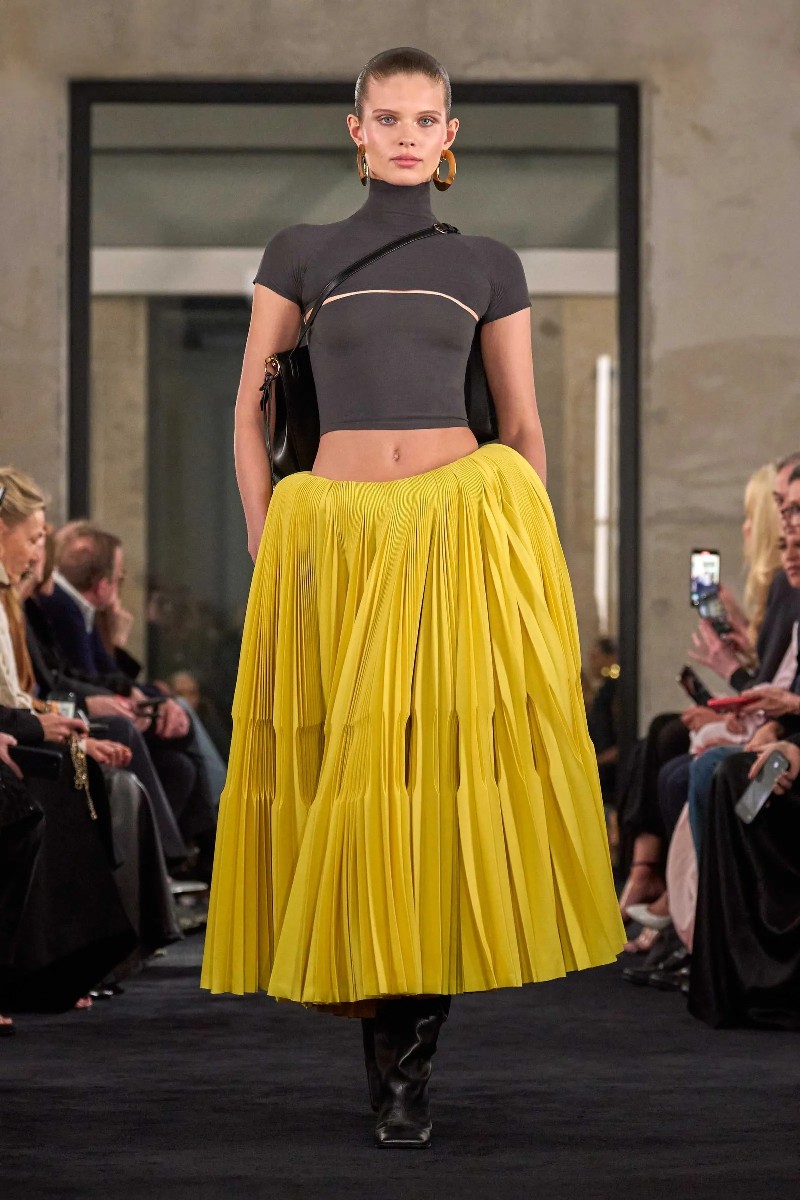
Photo: Alaia
The influence of celebrity culture has played a pivotal role in elevating sportswear to mainstream fashion relevance. Iconic figures such as Madonna and Gwyneth Paltrow redefined gym clothing, transforming it into a symbol of personal identity and social expression. Vintage sportswear archives illustrate how athletic garments evolved from purely functional uniforms into iconic fashion statements. Contemporary designers frequently draw on these cultural milestones, blending archival sports aesthetics with modern fashion sensibilities.
This ongoing reinterpretation reinforces the symbolic power of sportswear, reflecting societal values, body awareness, and evolving standards of beauty.
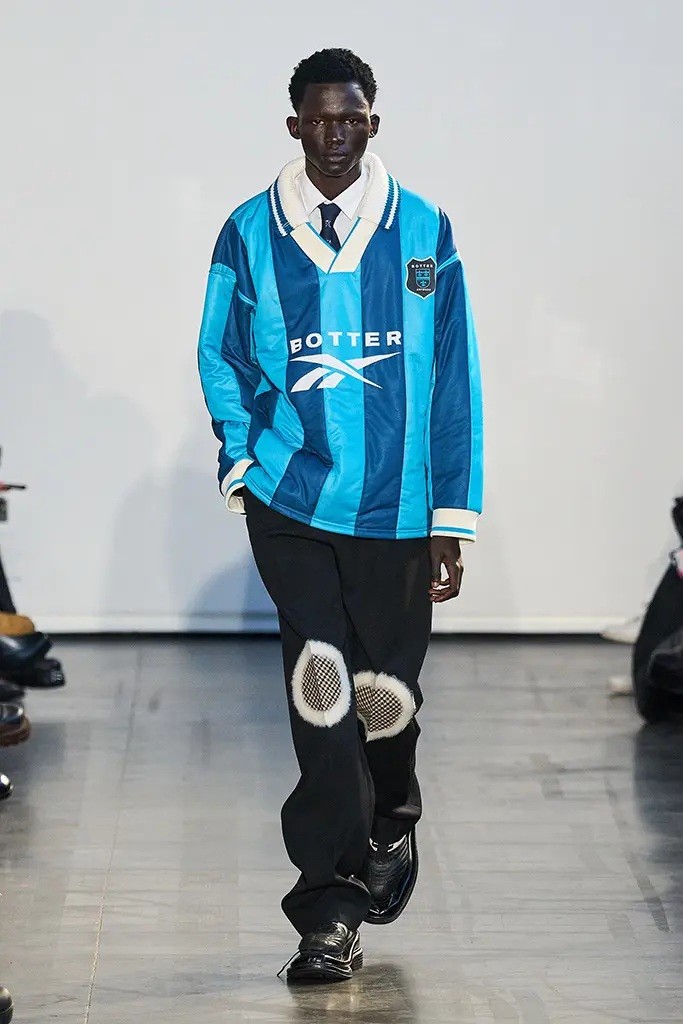
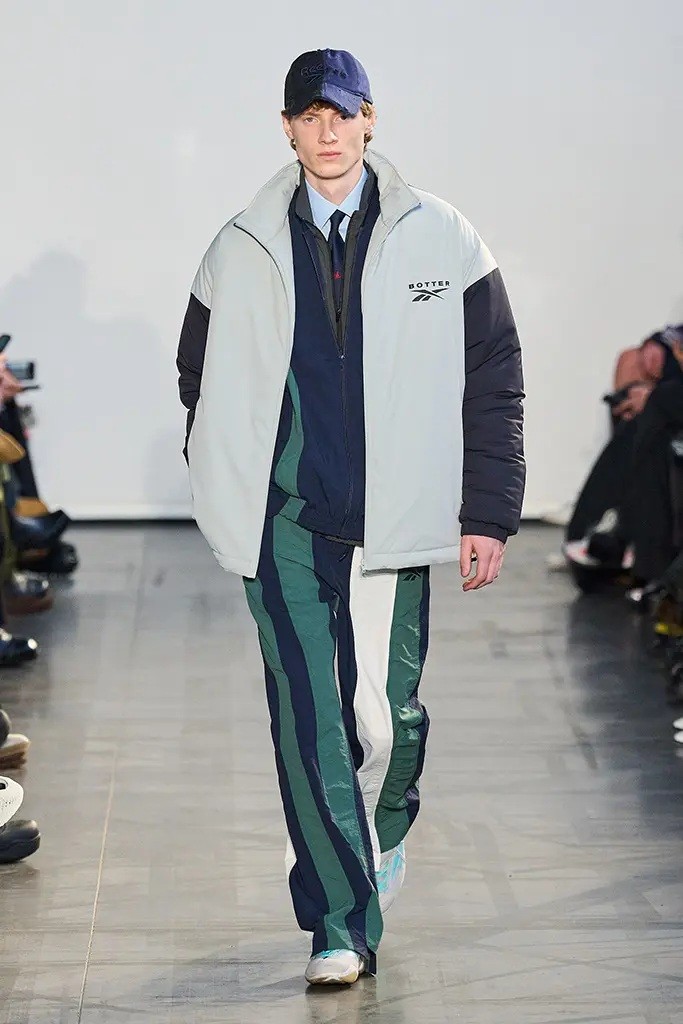
Photo: Daniele BOberrauch
Sport-inspired garments are increasingly being styled as statement pieces rather than merely functional clothing. Fashion editors and stylists emphasize the art of layering athletic items with tailored garments, luxury accessories, and unexpected textures to create outfits that are both balanced and expressive.
The combination of sneakers with formalwear, performance jackets with elegant silhouettes, and athletic fabrics with structured tailoring showcases the creative versatility of sporty accents. These styling strategies celebrate individuality while maintaining visual harmony, demonstrating how sporty elements can elevate both casual and sophisticated wardrobes.
Sporty accents have become more than a stylistic reference; they represent a fundamental shift in how fashion responds to contemporary life. By merging performance-driven design with luxury craftsmanship, modern fashion dissolves the boundaries between function and expression. From nostalgic activewear revivals to runway-level experimentation, sporty elements now serve as tools for storytelling, cultural reflection, and personal identity. This evolution reflects changing consumer values prioritizing comfort, adaptability, and authenticity without compromising aesthetics.
As fashion continues to adapt to dynamic lifestyles, sporty accents stand as a lasting design language, proving that movement, versatility, and elegance can coexist seamlessly within modern wardrobes.
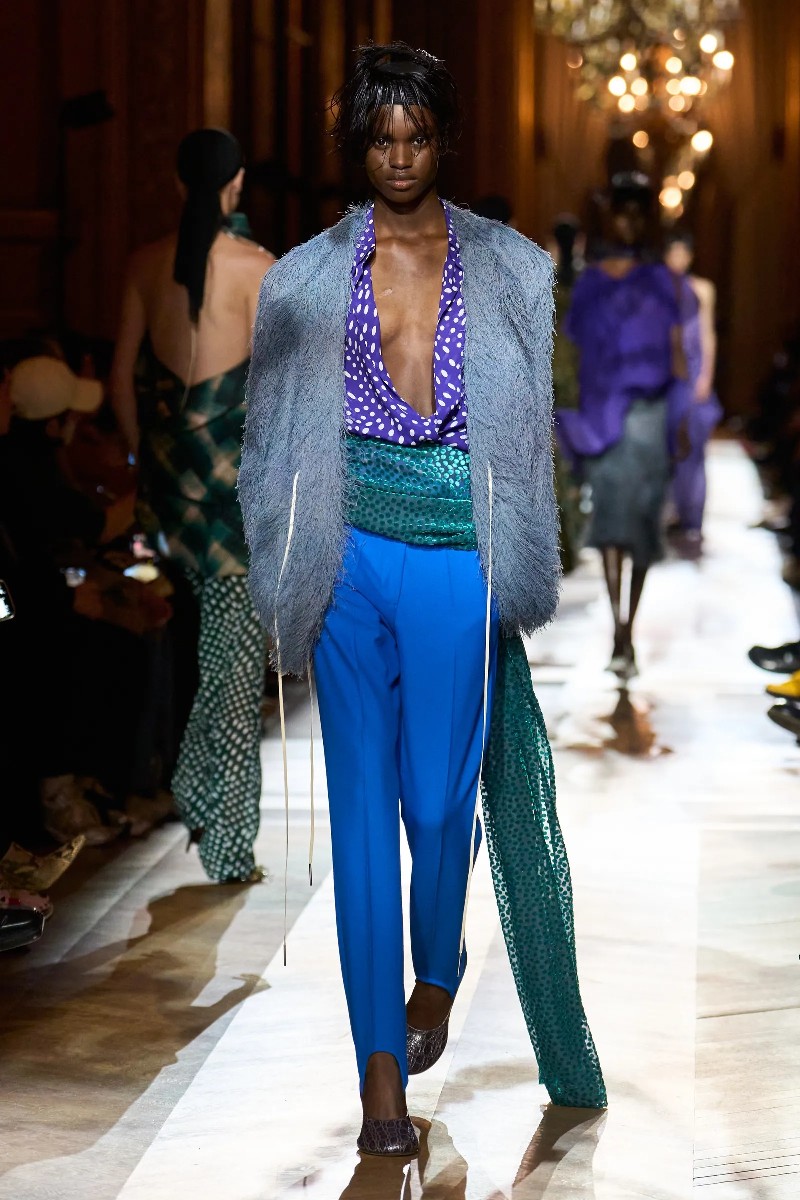
Photo: Umberto Fratini
This article is an original editorial analysis produced by [DIBA magazine]
Research and references are used for contextual accuracy.