
|
EN
Subscribe to our Newsletter
Eysh Jazirati captures the vibrant wedding culture of Qeshm Island, an immersive, women-centered celebration filled with southern Iranian music, dance, scent, color, and ritual. More than a marriage ceremony, it reflects the collective spirit, warmth, and cultural imagination of the island, where weddings become a shared, almost magical experience.
By Daisy Lorenzi
Writer, Journalist & Cultural Observer
Some stories can only be written from within. Daisy Lorenzi’s work emerges from lived experience, shaped by years spent in Iran and, since 2021, on Qeshm Island. Rather than observing from a distance, she writes through proximity, immersion, and everyday encounters. Eysh Jazirati unfolds from inside the celebration, as someone who has attended, felt, and moved through the rituals of southern Iranian weddings. Her perspective blends journalistic attention with personal sensitivity, capturing not only what happens, but how it feels to be welcomed into a living cultural world.
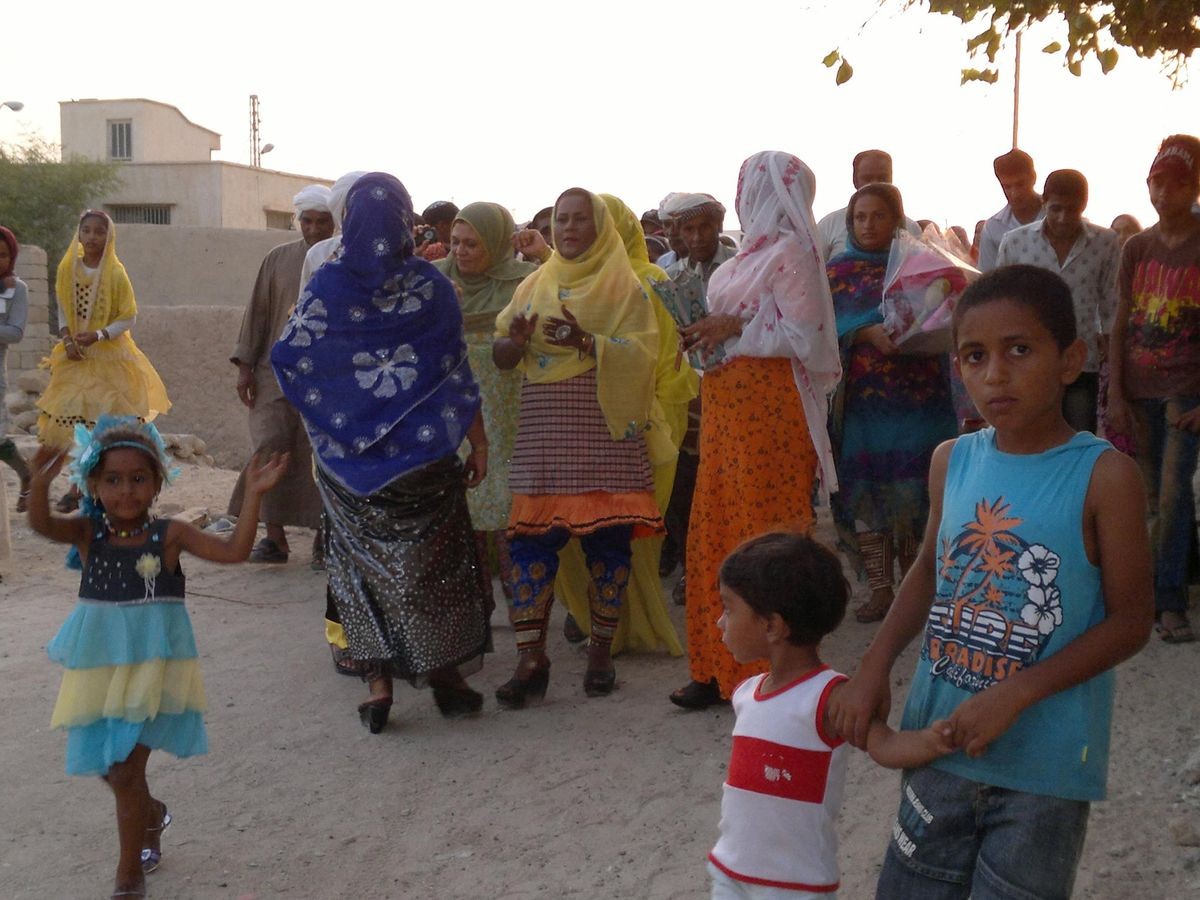
Photo: Pinterest
Any Iranian who thinks of the South of Iran immediately thinks of wedding ceremonies, “eysh” in the local language. It’s a dream for many to attend one of those events, so emblematic of the liveliness and uniqueness of the southern people. But let me tell you: it’s nothing like you imagine! For me, as a foreigner, it goes far beyond anything I’ve seen before, be it in Iran or even less so in France, where weddings are sober, small, and follow a well-defined protocol.
Quite the exact opposite of what a Qeshmi wedding is.
My first experience takes place a few months after I moved to Qeshm, freshly arrived from Tehran where I spent three years. The middle child of the family, a 25-year-old man, is getting married to his distant cousin, a sweet and shy 20-year-old I’ve met only once before. It’s nighttime and the speaker is playing loud Jonubi music. Maybe nearly a hundred women are sitting shoulder to shoulder under the kheimeh.
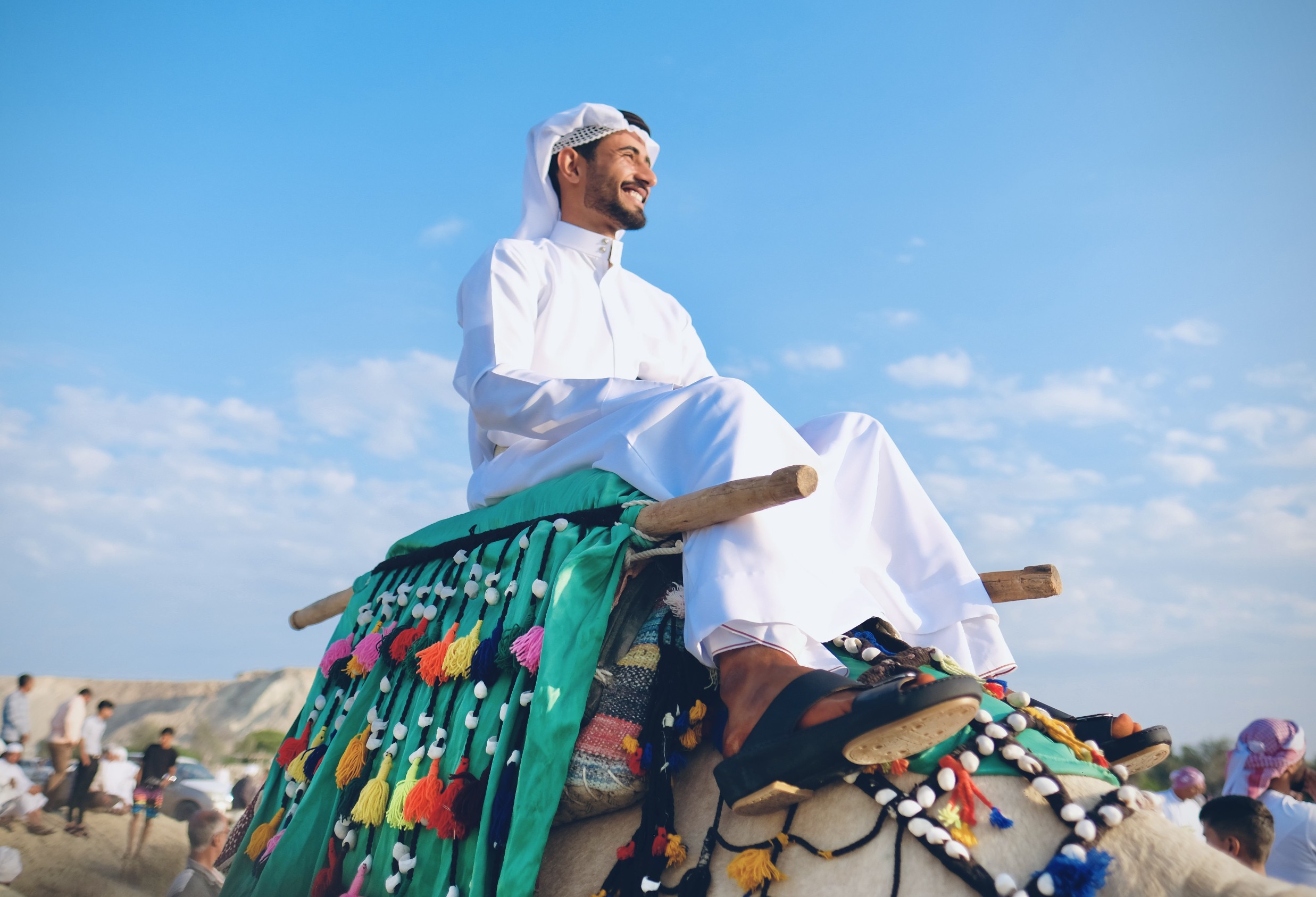
The first night is for women: men are waiting their turn outside, all well-dressed in their long white robes, the jimeh deraz, catching glimpses of the women’s party. For the occasion, I wear a long shimmery blue dress, custom-made months in advance as the tradition wants us to wear a new dress for each wedding night.
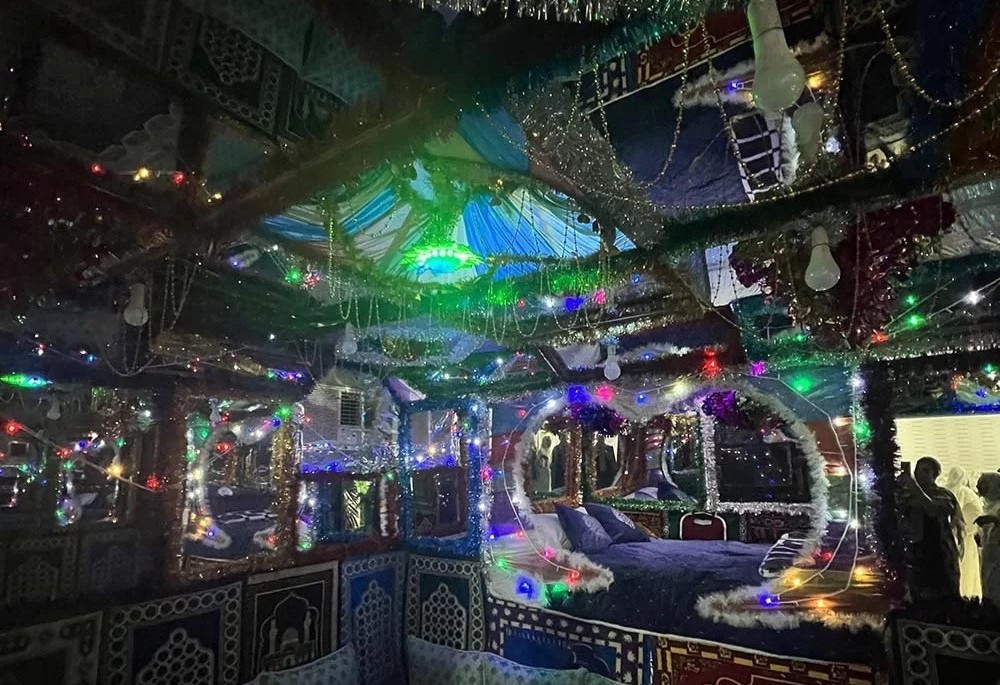
-The Hedjleh is a room decorated with colorful fabrics and mirrors, where the bride and the groom will spend the night at the end of the wedding ceremony.
They are supposed to stay in that room (usually located in the house of the bride's family) for the first month of their marital life.
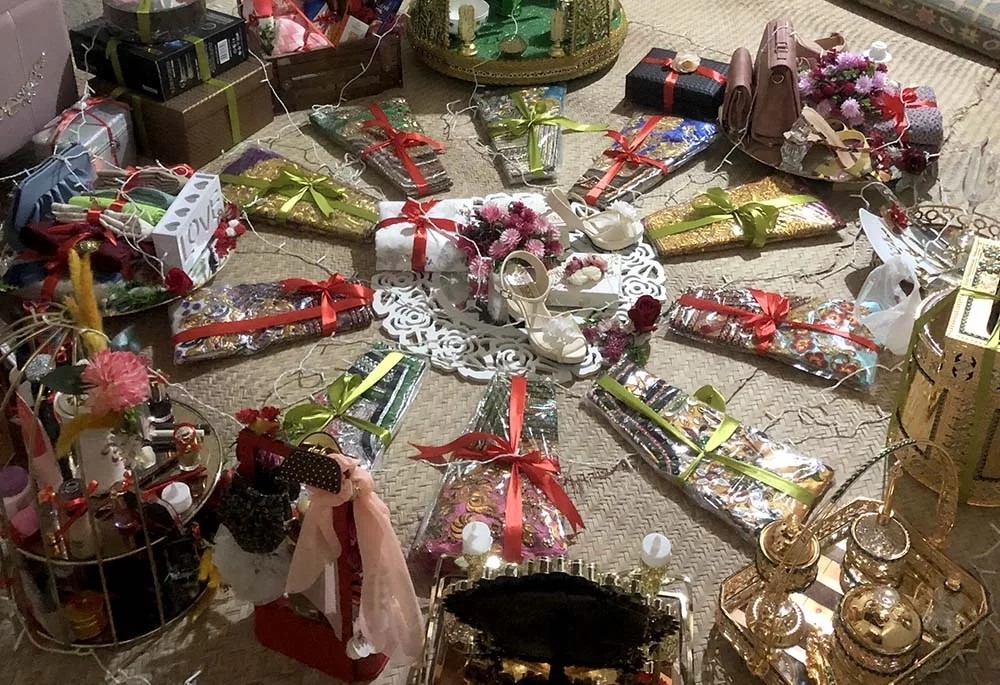
-Part of the bride's Merieh, gifted by the family of the groom. In Qeshm, the cost of the wedding is entirely supported by the family of the groom who also has to provide gifts to the bride
My eyes are wandering from one amazing dress to another, each more extravagant, colorful, and shiny than the last. Hands and feet are decorated with henna, while f ingers, ears, necks glint with heavy gold jewellery. I shrink myself small as guests squeeze past in the crowded floor space. Tonight, a female-only band plays for us: four energetic women singing, playing neyband and percussion. Women gather to dance, and what a dance! From little girls to the elderly aunties, their hips sway with astonishing agility and grace.
We’re between women now, and bodies are free to express themselves. The smell of burning gheshte, a local type of incense, is added to this explosion of colors and sounds, while a woman applies Arabic perfume on each guest. Small cakes, a hot Arabic drink called Haba Hamra, flying candy and bills make the little girls rush in every direction for their share. I’m way too shy to stand up to dance in front of the crowd, so I stay seated, both overwhelmed and amazed. As the night wears on, the crowd begins to move. Tonight is marasem sâkhte: we bring the groom’s family gifts to the bride. Several women carry boxes on their heads as we make our way toward the bride’s house, under the kel of the women and men’s amazed gazes.
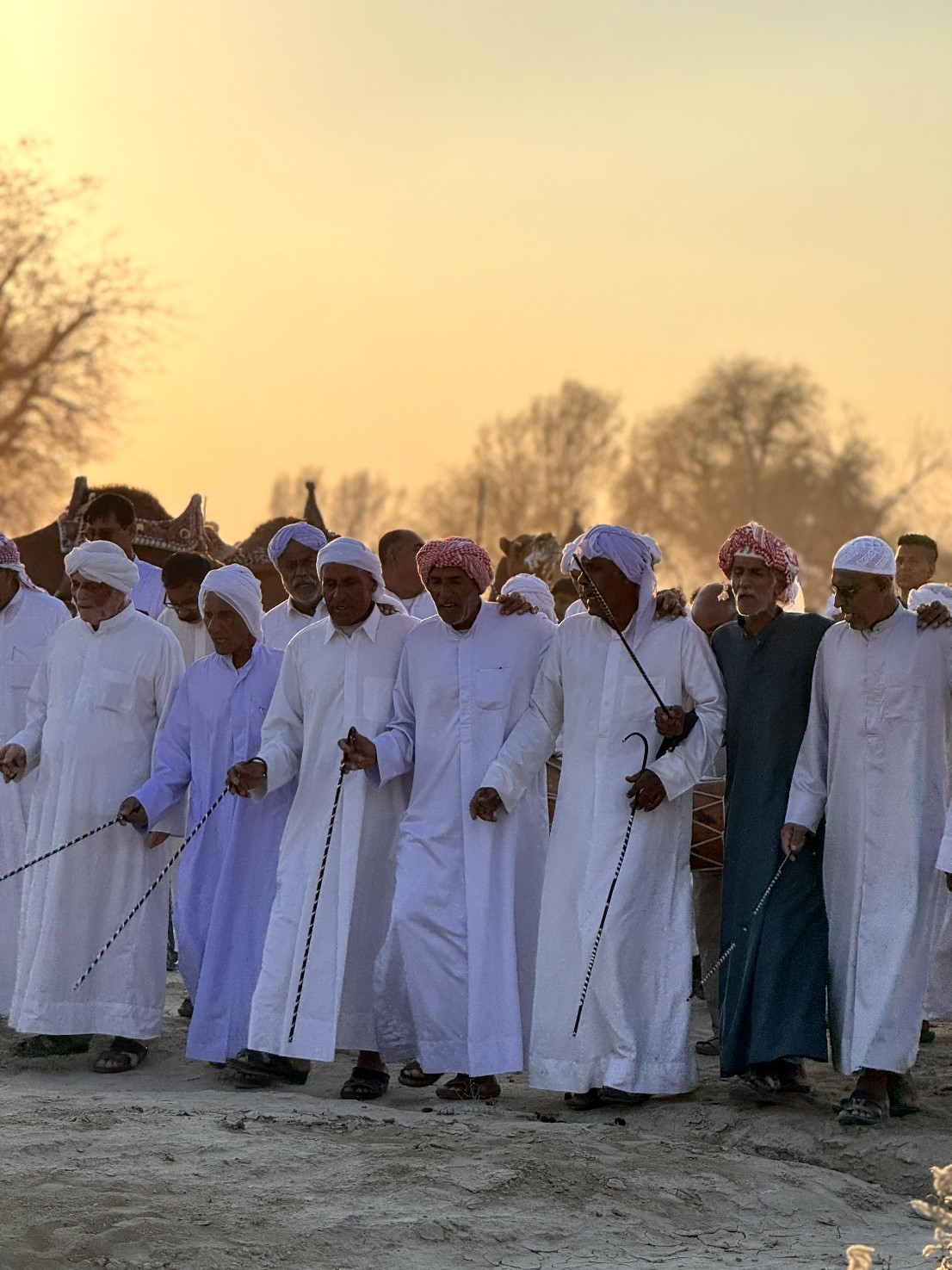
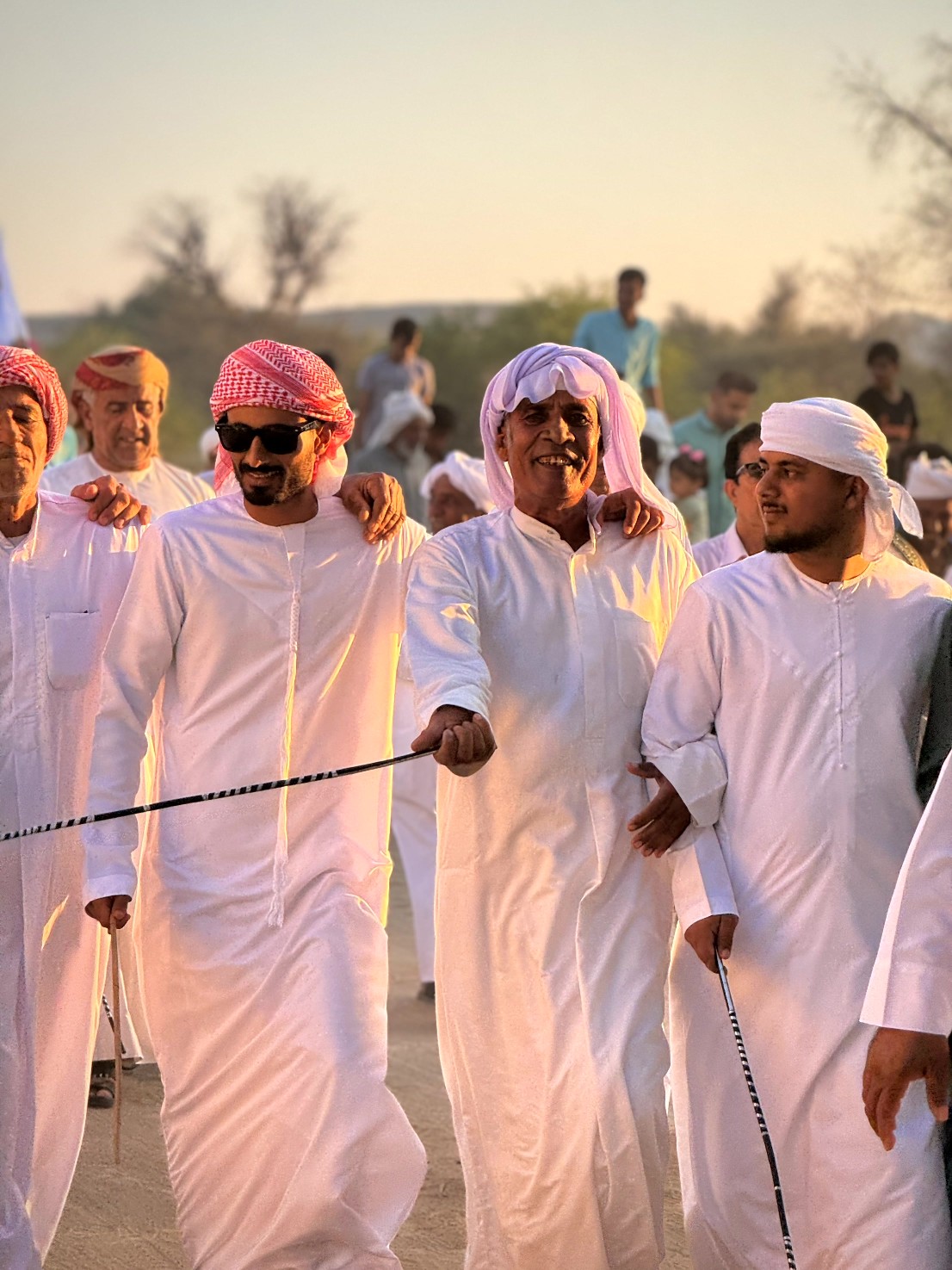
Men and women look at each other smiling and laughing, sharing the same joy. At that moment, the whole gathering feels like a huge, warm hug to me. But calm doesn’t last.
We’re now in the bride’s yard: new setting, but same atmosphere. There’s music, dancing, candy-throwing, and every centimeter on the floor is filled. Then, enters the bride in a large red dress, her face hidden beneath a semi-transparent veil.
I sense immense stress on her face as she walks in front of hundreds of eyes to take her place on the stage. The party continues with a few more hours of dancing, laughing, and pictures with the bride, until the morning’s azan signals the end of the festivities. But I won’t wait that long to discreetly slip away from the frenzied dance floor. It’s only the first evening, and there are four more to come. On the island, weddings are like stepping into a magical realm: And that’s exactly the spirit of the people of Qeshm.
This article is an original editorial analysis produced by Daisy Lorenzi.